In brief
Andrée Blouin's remarkable contributions to the decolonization of Africa, particularly her activism in the Democratic Republic of Congo, have long remained obscured. Her memoir, "My Country, Africa," seeks to resurrect her legacy as one of the formidable women who stood against colonial powers, influencing key leaders like Patrice Lumumba and advocating for the rights of African women.
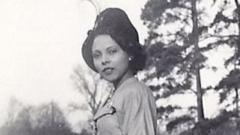
Andrée Blouin was born to a French father and a mother from the Central African Republic during a time of colonial rule that marginalized mixed-race individuals. As chronicled by her daughter, screenwriter Eve Blouin, her life is a testament to resilience and activism. In the 1950s and 60s, Andrée Blouin became a central figure in the fight for freedom in Africa, rallying women in the Democratic Republic of Congo against colonial oppression and serving as a key advisor to Patrice Lumumba, the nation’s first prime minister.Blouin's desire for decolonization was ignited by personal tragedy—the death of her mixed-race son, René, due to the severe discrimination inherent in colonial healthcare systems. This prompted her unwavering commitment to the cause, leading her to fruitful collaborations with notable figures such as Kwame Nkrumah from Ghana and Sékou Touré of Guinea. Despite her monumental impact, Blouin's narrative has often been overshadowed, a reality the recent re-release of her memoir, "My Country, Africa: Autobiography of the Black Pasionaria," aims to rectify.Raised in the harsh environment of a French convent for mixed-race children, which she described as a metaphorical waste bin for such youths, Blouin escaped at 15, forging her own path. She moved to Guinea, where, amidst political upheaval, she played a crucial role in the independence movement. Blouin's oratory skills and keen strategic mind made her an invaluable asset to emerging African leaders. Her influence peaked when she worked closely with Lumumba, who appointed her as his chief of protocol and speechwriter.As their coalition faced a barrage of violence and betrayal, culminating in Lumumba’s assassination, Blouin's world was shattered. Forced into exile, she continued to promote pan-Africanism through writings and meetings, while her family suffered brutalities back home. The pain of this separation and the mockery of her ideals weighed heavily upon her until her death in 1986, which, regrettably, went largely unnoticed by the global community.Blouin's legacy, however, lives on. Efforts to enlighten the world about her role in the storied fight for African independence are gaining ground, especially among younger generations curious about the contributions of women like her. Kinshasa now hosts a cultural center bearing her name, dedicated to education and pan-African dialogue, signifying a growing recognition of her significance. With the new release of her memoir, the hope is that many will discover the potent story of a woman who rose from colonial shadows to become a beacon of resistance and empowerment for millions. Blouin's work continues to inspire and provoke much-needed conversations about gender, history, and the enduring struggle for autonomy in Africa. "My Country, Africa," published by Verso Books, will be available on January 7 in the UK, signaling a pivotal moment for African literary history that had long been overdue.