In brief
As Donald Trump's comments about acquiring Greenland echo through the Arctic, the island's locals emphasize their desire for independence and self-determination while fostering international understanding.
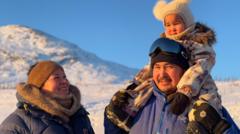
In the breathtaking landscapes of Greenland, a distant shadow looms over the icy fjords as the news of Donald Trump's provocative comments regarding the territory spread. The atmosphere is one of stark determination among the Greenlandic people, as they express a resounding message: "Greenland belongs to Greenlanders." While cruising through the tranquil waters of Nuuk fjord, locals share their views on Trump’s assertion that he might seek to acquire the region. One resident, a seasoned elder named Kaaleeraq Ringsted, articulates his disappointment at such ideas, asserting, “It is not acceptable that he says this. Greenland is not for sale.” His desire is simple and profound: to preserve the traditions of fishing and hunting that have sustained generations of his family.The world’s attention on Greenland intensified when Trump Jr. visited the capital, stirred by headlines his father generated. Local businessman Jorgen Boassen welcomed him, revealing a mixed sentiment among the populace. “Of course they are interested in our country,” Boassen noted, echoing a desire for potential trade and cooperation. Nevertheless, many Greenlanders continue to voice their frustration at being seen only as a political bait.Among advocates for independence, MP Kuno Fencker emphasized the importance of Greenland negotiating directly with the U.S. rather than through Denmark. He openly addressed the potential economic implications of independence, acknowledging the dependency on subsidies from Copenhagen which significantly fund local economies. However, the path to self-sufficiency is viewed as essential, underscored by calls for sustainable economic development and fulfilling their community’s needs.The local media offers an intriguing perspective on the ongoing debate of independence. Editor Maasana Egede criticizes the oversimplification of the narrative surrounding Greenland's future. “It’s not about independence or not independence, but about finding a balance,” he argues, highlighting the people's desire to maintain good living standards and essential trade relationships while navigating their identity.Prime Minister Mute Egede has also voiced a collective sentiment regarding Greenland's future: “We do not want to be Danish, we do not want to be American. We want to be Greenlandic.” This clarion call resonates against the backdrop of historical scars left by colonial practices and systemic injustices.Consultant Maliina Abelsen reflects on the weight of the past, pressing for acknowledgment of the wrongs and affirming that only through healing can true progress be made. The connection between the struggle for self-determination and past injustices remains pivotal in ongoing discussions about the territory's fate.Trump’s comments may have inadvertently sparked a renewed focus on Greenland’s sovereignty, positioning the islanders at the center of an international dialogue. Thus, as the icy waters of Nuuk fjord continue to flow, the voices of its people grow louder, determined that their future remains in their own hands.