In brief
After two Russian oil tankers sank in the Black Sea, an oil spill resulted from the incident, prompting an investigation into potential negligence and environmental ramifications. Rescue operations encountered obstacles due to adverse weather conditions, leaving some crew stranded.
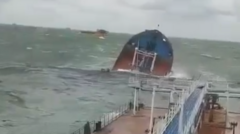
The Black Sea has become a site of concern as two Russian oil tankers have suffered significant damage, leading to an alarming oil spill. Russian authorities have released footage illustrating the extent of the damage, notably showing one tanker split in half. Streaks of oil can be seen on the water’s surface, raising environmental red flags.It is reported that both tankers had drifted before running aground offshore in the Kerch Strait, an area that divides Russia from Crimea, a region under disputed annexation since 2014. The tragic incident resulted in at least one confirmed death among the crew members, a loss that has cast a shadow over the rescue efforts.A rescue operation was promptly initiated, engaging tugboats, helicopters, and over 50 personnel in the mission. Rescuers managed to save 13 crew members from one tanker; however, the operation was paused as severe weather hit the area. Those remaining on the second vessel, numbering 14, reportedly have adequate supplies for life support, yet they remain stranded until conditions ameliorate.In response to the disaster, President Vladimir Putin has instructed Deputy Prime Minister Vitaly Savelyev to lead a working group investigating the incident for any criminal negligence. Industry analyst Michelle Bockmann noted that the sunken vessels belong to Volgatanker and were smaller tankers, each carrying approximately 4,300 dead weight tonnes of oil—considerably less than standard vessels used for international trading.Notably, the Kerch Strait is a vital transit route for Russian grain, crude oil, fuel oil, and liquefied natural gas exports. This incident recalls the 2007 sinking of the Volgoneft-139, which resulted in a massive oil spill during a storm.The ongoing sanctions against Russian oil since the nation’s full-scale invasion of Ukraine in 2022 have led to the use of a "ghost fleet" of tankers that often lack adequate maintenance and coverage. Industry expert Bockmann clarified that these two tankers were not believed to be part of that risky fleet, yet the unfolding narrative prompts urgent attention to maritime safety and environmental protection in the region.