In brief
The recent terrorist attack in Kashmir has intensified fears among locals, prompting calls for justice and highlighting systemic limitations.
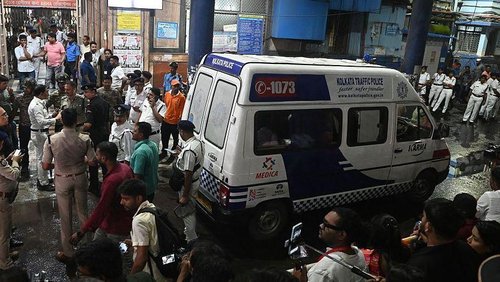
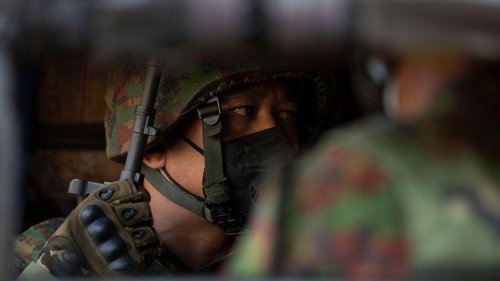
Kashmir, often celebrated for its breathtaking landscapes and rich culture, has found itself in the shadow of despair following a tragic terrorist incident that claimed 26 lives. The region, a historic site of conflict between India and Pakistan, has seen its allure become a backdrop for suffering. Since the Indian government’s intensified control over the territory in 2019, Kashmir has transitioned from a disputed zone to a burgeoning tourist destination. Promotional campaigns portray the area as a success story, emphasizing safety and economic growth. However, the narrative starkly contrasts with the experiences of its residents, who feel increasingly marginalized and oppressed.The recent atrocities have reignited feelings of unease. Many Kashmiris view the government response — marked by extensive military presence and punitive measures against local populations — as collective punishment. Thousands have been detained for questioning, and properties of individuals suspected to be connected to the attack have been demolished, actions that heighten the existing tension in a predominantly Muslim region.In the face of fear and distrust, the local communities exhibit resilience. Many joined efforts to protect and assist the visiting tourists who were targets during the assault, revealing an underlying spirit of solidarity against the backdrop of hardship.This juncture poses a pivotal moment for Kashmir. As tourism flourishes, its people’s yearning for justice and democratic rights grows louder. The world watches, hoping for solutions that embrace the beauty and potential of Kashmir, while addressing the deep-rooted issues that belay its peace.