In brief
Following the recent takeover of Goma by M23 rebels, the city of nearly two million grapples with a surge in violence, strained medical facilities, and the looming threat of further conflict. The situation highlights the dire humanitarian conditions affecting residents and the escalating fear among them as they navigate life under the rebels' rule.
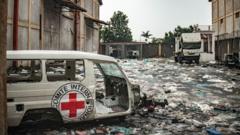
As I entered Goma, a city in the Democratic Republic of Congo (DRC), it was difficult to recognize the signs of a conflict zone. Streets were bustling with residents—the usual signs of life persisted. Yet, it became evident that a new authority had emerged. Gunmen from the M23 rebel group controlled checkpoints, signaling a stark shift in governance.Last week, M23 captured Goma following rapid advances in the eastern region of DRC. According to the UN and local authorities, the conflict has left at least 700 dead and nearly 3,000 injured. The rebel group, predominantly ethnic Tutsis, claims to fight for minority rights, while the Congolese government accuses them of seeking control over the area's extensive mineral resources.Through the chaos, I made my way to a hospital treating wounded civilians. The atmosphere was heavy with anguish, as I met Dr. Nathaniel Cirho, who was recovering from injuries sustained by nearby bomb blasts. "I sustained an injury on my arm...," he shared, reflecting on the surgery that failed to save a fellow victim of the violence.In the corridors of the hospital, patients seeking refuge from the violence shared their harrowing tales. An elderly woman, nursing a gunshot wound, revealed how M23 fighters had escorted her for care. Medical staff worked tirelessly but were overwhelmed, with reports of escalating violence leaving them inundated with casualties.Now saturated with patients, the hospital faced severe shortages and increasing demands for attention. A doctor, wishing to remain anonymous for security reasons, confirmed that they had received over 700 patients since the conflict escalated. Most injuries were due to gunfire, further complicating the humanitarian crisis.Beyond the hospitals, the city appeared a mix of somberness and apprehension. Some shops reopened, yet for many, the fear of more violence kept them away. "People are afraid...," said shop owner Sammy Matabishi. Many residents fled to neighboring countries or other Congolese cities, crippling local businesses.While M23 maintained a tight grip over Goma, the Congolese government adamantly refuted claims of the city’s capture, accusing the rebels, allegedly backed by Rwanda, of illegal occupation. With military presence dwindling, witnesses described soldiers discarding uniforms in favor of civilian clothes during the turmoil.As M23 consolidates its power in Goma, humanitarian concerns grow. As subsequent moves towards other strategic cities loom, life for many in the DRC veers dangerously into uncertainty amidst the political instability and violence that threaten to spread further across the nation.