In brief
The crisis initiated by Chancellor Olaf Scholz's dismissal of Finance Minister Christian Lindner has set the stage for a potential overhaul of Germany's political landscape.
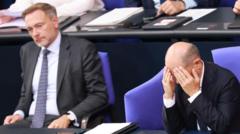
Germany's governing coalition is reeling after Chancellor Olaf Scholz took the momentous step of firing Finance Minister Christian Lindner amid escalating tensions within their alliance. This move comes just ahead of an announced confidence vote scheduled for January 15, a decision that could have monumental implications for the future of the coalition, which has been in power since 2021 and includes the Social Democrats (SPD), Greens, and the Free Democratic Party (FDP). The rift appears to stem from a deepening lack of trust, with Scholz stating that Lindner "betrayed my confidence" and accusing him of prioritizing the needs of his party over those of the nation. This growing discord comes during a period of heightened scrutiny, especially with the recent election of Donald Trump sparking fears and uncertainties regarding Europe's economic and security landscape. As Germany's economy is one of the largest in Europe, the stakes are particularly high.Lindner, who leads the FDP, had reportedly been advocating for tax cuts and a relaxation of climate regulations, moves met with firm resistance by his coalition partners. In contrast to Lindner's position, Economy Minister Robert Habeck of the Greens has expressed unwavering support for remaining in government, signaling a potential schism in the alliance's approach to fiscal and environmental issues.With the coalition now lacking a parliamentary majority, the imminent confidence vote looms large. A negative outcome could prompt early elections, with many polls indicating the CDU could seize the opportunity to regain power, leaving the SPD and the far-right Alternative for Germany (AfD) vying for a distant second position. This political upheaval may reshape Germany's governance, particularly concerning its vision for economic stewardship and climate policy.