In brief
The innovative TV BRA station in Norway is making waves by empowering people with learning disabilities to serve as reporters and connect with a wider audience. With a weekly magazine program broadcasted on a major streaming platform, the station not only covers important news but also advocates for the rights of individuals with disabilities, changing perceptions in the process.
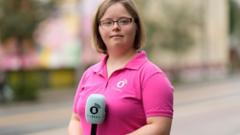
Inside TV BRA: Amplifying Disabled Perspectives in Norwegian MediaIn a colorful studio adorned with vibrant pink accents, TV BRA stands out as a pioneering television station where the reporters are not just journalists; they are individuals with learning disabilities creating meaningful content. The two reporters, Emily Ann Riedel and Petter Bjørkmo, are representative of a team that embodies both talent and determination, embracing their unique identities to bring crucial stories to light.With a weekly hour-long magazine program broadcasted on the popular Norwegian streaming platform TV2 play, as well as on their app and website, TV BRA offers news, entertainment, and sports tailored for easier comprehension. The show is presented in simplified Norwegian and at a slower pace, making it accessible for their dedicated audience of 4,000 to 5,000 weekly viewers.Despite the challenges their learning disabilities may present, the reporters shine in their roles. Riedel, who has Down's Syndrome, focuses on professionalism while discussing the important topics impacting their community. “When I work here, I have to be very professional,” she emphasizes, while Kvalheim, the managing editor, insists on maintaining high expectations for her team. This dedication leads to growth as they navigate the intricacies of journalism, even when the learning curve becomes steep.Founded by Kvalheim more than a decade ago, the station has evolved from a creative project into a nationally recognized network. Through their work, they not only report on news but also shed light on the rights and challenges faced by individuals with disabilities, advocating for necessary changes. For instance, Bjørkmo recently reported on a local government's decision that negatively impacted individuals with learning disabilities, eliciting significant audience response, even if it didn’t result in immediate policy reform.TV BRA is not alone in this endeavor; similar initiatives exist in Iceland and Denmark, making significant impacts in their respective communities. However, the necessity of such news services cannot be overstated. Viewers like Anne-Britt Ekerhovd and Espen Giertsen express appreciation for the station's ability to deliver clearer and more relatable news coverage than mainstream outlets.As TV BRA continues to gain recognition, it not only empowers its reporters but fosters a sense of community among viewers, affirming that their voices matter. As Riedel puts it, “If they have tonnes of weight on themselves, I want them to lift it up,” highlighting the station's mission of acceptance and representation for all. Through their innovative approach, TV BRA is reshaping the media landscape, serving as a beacon of hope and authenticity for those often overlooked by traditional news organizations.