In brief
As Canada's federal election looms, leading candidates grapple with the balance between promoting fossil fuel expansion and fulfilling climate commitment obligations, marking a significant shift from earlier environmental priorities.
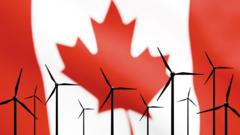
As Canadians prepare to head to the polls on April 28, the federal election campaign points to a startling shift in the political landscape, where climate issues have taken a backseat to promises of fossil fuel expansion and energy independence. With growing concerns about the US political climate under President Trump, candidates are racing to solidify their energy policies while largely neglecting the pressing climate commitments made in previous years.The leading parties are now at odds over their approaches to energy, with Mark Carney's Liberal party positioning itself as a potential superpower in both traditional and green energy sectors, while Conservative leader Pierre Poilievre promotes a revitalization of the oil and gas industry and calls for dismantling the carbon tax introduced under previous administrations. This evolution marks a stark contrast to the 2021 federal election, where the environment was at the forefront of voter concerns and a consensus had been formed to hasten the transition to a green economy.Carney, who assumed leadership earlier this year, notably marked his premiership by repealing the consumer carbon levy, a move many see as politically shrewd but strategically misguiding. Critics, like Catherine Abreu from the International Climate Politics Hub, argue that this decision reinforces the narrative that climate policies detrimentally impact the economy and signals a missed opportunity for a fresh perspective on climate action during the campaign.Interestingly, recent polling data reflect an erosion of public concern towards climate change as rising expenses and energy costs overshadow environmental issues. Additionally, the ongoing war in Ukraine has thrust Canada’s abundant natural resources into a new spotlight, effectively reshaping the energy conversation away from climate implications and towards economic gains.Poilievre’s campaign thrives on the sentiment surrounding cost of living and law and order issues. While he emphasizes expanding oil and gas operations, his reticence regarding Canada's net-zero targets raises critical questions on the future of environmental policy should the Conservatives gain power. Experts suggest that while an expansion of fossil fuel production may resonate with portions of the electorate, it could ultimately contradict or delay essential climate goals.Both parties' promises to expedite energy corridors symbolize Canada's complex relationship with oil and gas, particularly as concerns over dependency on US markets grow. Carney has acknowledged the urgent need to navigate this geopolitical challenge while attempting to appeal to environmentalists without alienating energy-rich constituents.As the election draws near, climate activists, including Bloc Québécois leader Yves-François Blanchet, voice their apprehensions over candidates’ increasingly dismissive attitudes towards climate action, urging voters to hold leaders accountable regarding Canada’s international promises to curb emissions between 40-45% by 2030.Regardless of the outcome, the elected leader will face the daunting task of reconciling ambitious climate objectives with the political traction gained by a fossil fuel-centric agenda in a rapidly changing global energy landscape.