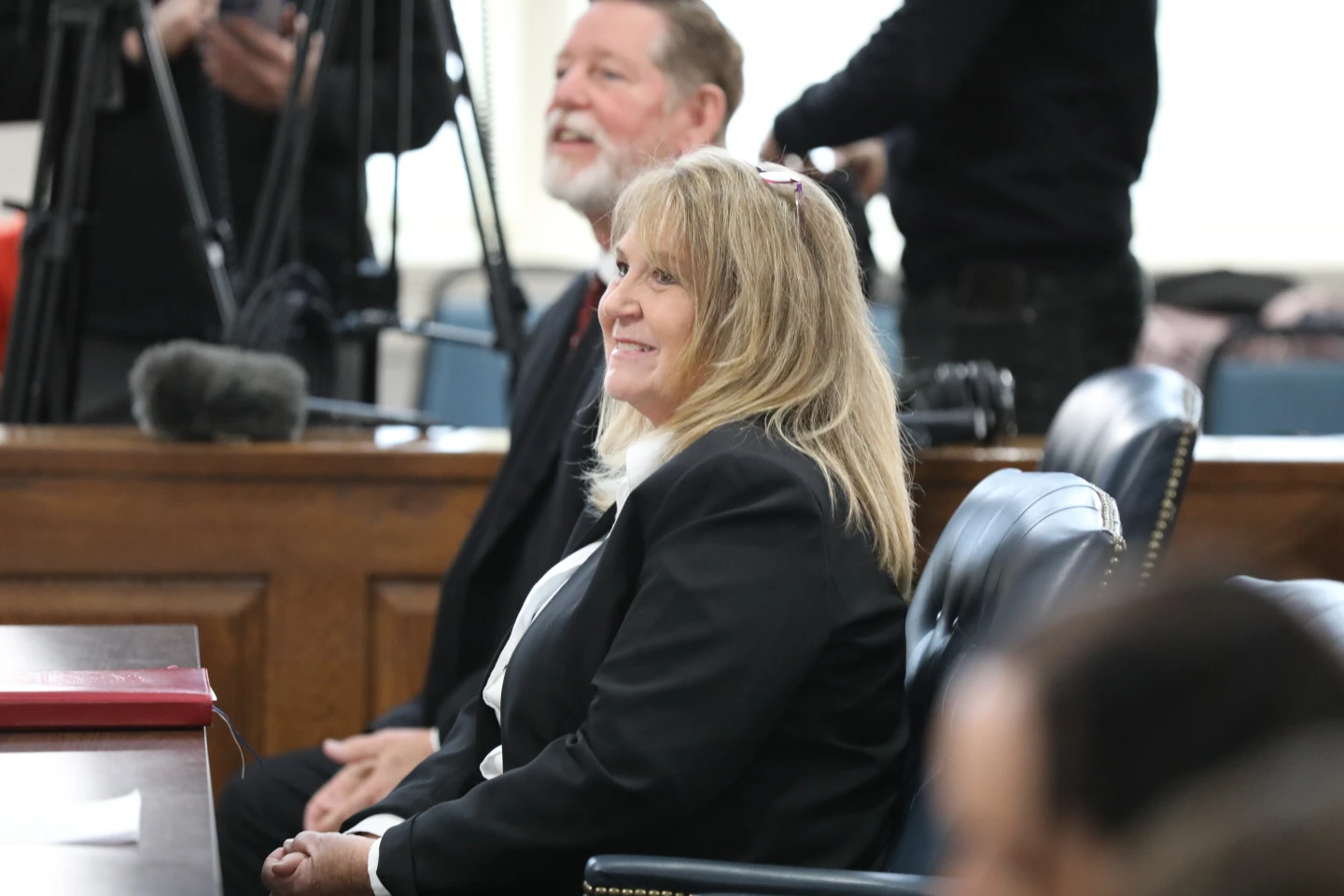
MADISON, Wis. (AP) — As the trial commences for Judge Hannah Dugan of Milwaukee County, the case introduces a delicate balance between judicial discretion and federal immigration enforcement. Dugan faces charges of obstruction and concealing an individual from arrest after she allegedly provided assistance to Eduardo Flores-Ruiz, an undocumented immigrant sought by federal authorities.
Federal prosecutors assert that Dugan, cognizant of federal officers' presence in the courthouse, led Flores-Ruiz out a back door to evade arrest during a court hearing in April. If convicted, she could spend up to six years in prison. This trial is symptomatic of broader tensions that have arisen during the Trump administration’s stringent immigration policies, where judges and lawyers alike are scrutinizing the implicating roles they occupy.
FBI: Dugan's Escape Maneuver
According to an FBI affidavit, Flores-Ruiz had illegally reentered the United States from Mexico in 2013 and had been set to appear in Dugan's courtroom before his escape. Federal agents, who arrived to execute an arrest warrant, encountered Dugan, who expressed frustration regarding the agents' presence and the legality of their actions.
After a heated exchange with federal authorities, Dugan led Flores-Ruiz toward an exit, resulting in a chaotic foot chase. Despite evading immediate capture, Flores-Ruiz was eventually apprehended and deported by the Department of Homeland Security in November.
Dugan's Defense Strategy
With jury selection underway, Dugan's attorneys argue that the intense media attention surrounding the case could bias the potential jury pool. They have been rigorously questioning jurors regarding their political affiliations and views related to immigration. In an environment heavily charged with political sentiment, her defense also asserts that she is entitled to immunity while performing her judicial duties.
The legal implications extend into the question of whether her actions violated any protocols or laws, an intricate subject that Dugan’s attorneys have cited in defense of her conduct. They argue she was adhering to protocols laid out by Milwaukee County Chief Judge Carl Ashley, which were designed to limit federal agents' activities within courthouse spaces.
Implications for Judicial Authority
This case raises crucial considerations about the intersection of immigration enforcement and judicial responsibility. As court systems navigate federal actions, the outcome of Dugan’s trial may influence how judges approach immigration cases in the future and the extent of judicial independence from federal enforcement actions.
Ultimately, Dugan's trial is not just a legal examination but a reflective moment for the judiciary as it wrestles with the evolving landscape of immigration law and enforcement, particularly in an era defined by heightened enforcement actions. The stakes remain significant, not just for Dugan but for the integrity of judicial proceedings amid federal scrutiny.