In brief
Donald Trump has approved the production of Kei cars, tiny Japanese vehicles, in the US, promising lower prices and increased fuel efficiency. However, skepticism remains over whether these cars can succeed in the American market dominated by larger vehicles, particularly given safety concerns and potential pricing challenges.
America is known as the land of big cars and even bigger SUVs but Donald Trump has an idea that could change that.
The president wants to bring to the US tiny vehicles, like those commonly seen on the streets of Japan, in the form of mini hatchbacks and vans half the size of a Ford F-150 pickup truck.
So-called Kei cars - short for kei-jidōsha, literally light vehicle - became popular in Japan after World War Two as an economical means of transport in its crowded cities. They have also become popular across Asia.
Despite Trump's enthusiasm for micro-cars, importers and drivers in the US aren't so sure they are a viable option in the vast country.
Among the obstacles are whether manufacturers can keep prices low, make the vehicles safe enough and if big-car-loving Americans can be convinced to downsize.
After a visit to Japan, Trump said in an online post in December: I have just approved TINY CARS to be built in America. These cars of the very near future are inexpensive, safe, fuel efficient and, quite simply, AMAZING!!! START BUILDING THEM NOW!
His suggestion marks a shift that would undo a long-running rule barring small American-made vehicles.
While there are already some Kei cars in the US, they are a rare sight and have to be at least 25 years old to run legally on American roads.
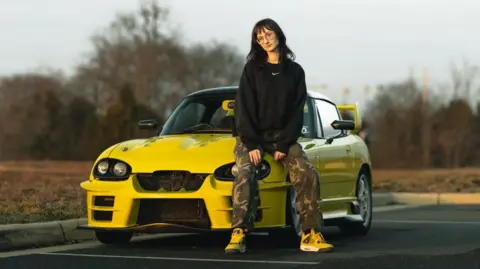
Some car enthusiasts, like Nevi Bergeron, who drives a 1997 Suzuki Cappuccino, are excited. It's tiny and a bit silly... definitely a conversation-starter, says Bergeron. However, she admits it may not be safe for daily commutes, feeling vulnerable next to larger vehicles.
The US transport secretary acknowledged small cars might not be well-suited for American highways, but could be a great solution for city driving.
Key to Trump's enthusiasm for small cars is the promise of lower prices. The US transport department confirmed that the move aims to help Americans afford vehicles that meet their needs. However, it remains to be seen if manufacturers can build small cars at prices lower than existing sedans.
Car prices in the US have yet to return to pre-pandemic levels, and rising living costs mean many drivers are feeling the financial strain.
Some industry experts argue that modern Kei cars won't meet US safety regulations, and manufacturers might have to invest significantly to redesign them, eroding the cost advantages that make them attractive.
While imported Kei vehicles currently cost between $6,500 and over $10,000, it remains uncertain how many manufacturers will respond to Trump's call, as historical precedents hint at challenges in penetrating the American market.
Ultimately, while Kei cars could find a niche audience in densely populated urban centers, America’s proclivity for larger vehicles poses significant hurdles for widespread acceptance and success.