In brief
Twin 7.2 and 7.5 magnitude quakes rocked northern Venezuela on 29 June, killing more than 1,700 people and leaving residents to dig through rubble with little official support. The aftermath revealed gaps in local emergency preparedness and a heavy reliance on community volunteers such as Ruben Rojas and Carolyn Zerpa. International agencies and the US have pledged billions in aid while regional partners bring supplies, yet many affected still lack basic medical care and clean water. The disaster highlights the critical importance of investing in resilient infrastructure and empowering local communities to build adaptive capacity against climate‑driven hazards.
The twin 7.2 and 7.5 earthquakes that cracked the northern coast of Venezuela the week ago plunged the region into catastrophe, with the capital Caracas and the port town of La Guaira recording the highest damage. More than 1,700 souls were lost, and the disaster is already considered the most brutal natural event in the nation’s history.
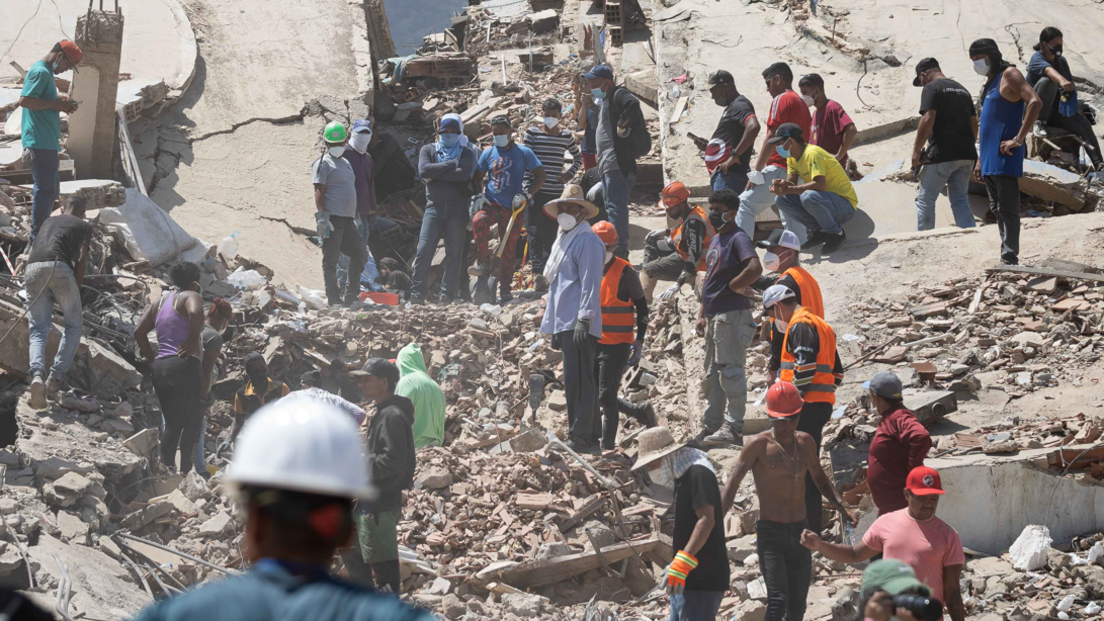
While international aid poured in—confirmed by the U.S. Treasury’s $300 million pledge to support medical, food, water, and shelter services—many communities found themselves without rapid on‑site assistance. Volunteers were forced to use crowbars, mallets and even bare hands to clear wreckage, in stark contrast to the delayed arrival of heavy machinery.
Electrician Ruben Rojas could be seen shovelling rubble on the streets of La Guaira, saying that the official civil‑protection units had no equipment and could not “save lives” without it. In the same way, 39‑year‑old Carolyn Zerpa tackled stone‑filled corridors by hand, shifting her focus toward recovery and the dignified burial of her family’s remains.
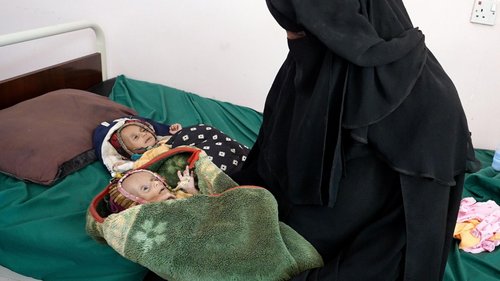
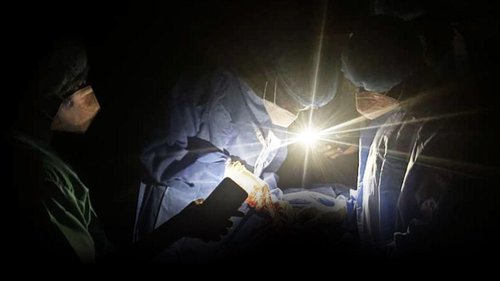
Authorities have set up emergency camps and announced a colour‑coded safety assessment system, but the delayed cascade of response has left many families waiting for answers. The UN reported more than 500 aftershocks, with at least 2,500 buildings affected; and body bags are being sourced in bulk to accommodate the inevitable rise in fatalities.
The U.S. military’s rapid deployment of the USS Fort Lauderdale to the Port of La Guaira, along with amphibious craft, has helped speed aid delivery, while European partners such as the Netherlands and even China have offered vessels and funds. Yet communities still bear the brunt of clean‑water deprivation, food shortages, and the psychological toll of being lost in rubble for months.
Venezuela’s tragedy also highlights a broader climate‑resilience gap. As global warming shifts the frequency and intensity of seismic events and flood‑prone regions, strengthening building codes, reinforcing soil stability, and training local citizens in rapid response become critical. The story of this disaster calls for a more holistic approach—combining engineering resilience, community mobilization, and timely international assistance—to prepare for the future of climate‑driven natural hazards.