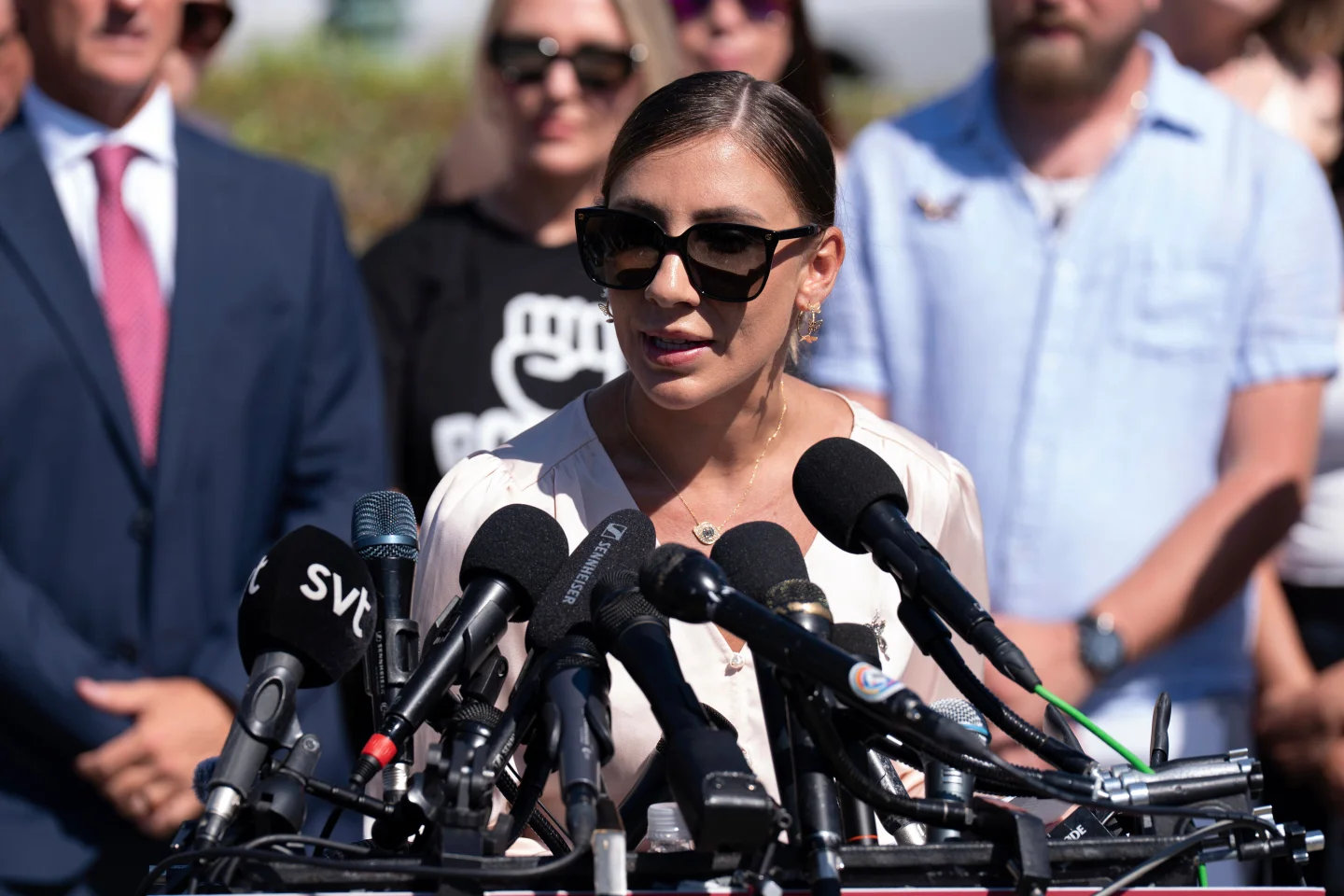
For Marina Lacerda, the impending release of U.S. government files related to Jeffrey Epstein’s extensive abuse marks a crucial opportunity for justice. Having been victimized by Epstein at the age of just 14, Lacerda holds hope that these documents will reveal the hidden truths of her traumatic past.
I feel that the government and the FBI knows more than I do, and that scares me, because it’s my life, it’s my past, she remarked in a recent interview.
President Donald Trump signed legislation mandating the Justice Department to disclose many of the voluminous files amassed over years of investigations into Epstein. Survivors of his abuse, including Lacerda, express mixed emotions about the forthcoming transparency.
The need for accountability is palpable among victims. For instance, Jena-Lisa Jones, who experienced abuse by Epstein at 14, emphasizes the importance of having her moment in court, even if that opportunity was stripped away when Epstein committed suicide in custody back in 2019.
Little is known about the extent of new information these files may provide, but many survivors like Jones and Lacerda are yearning for clarity to fill in the gaps of their disrupted lives.
Two Federal Investigations Cut Short
The FBI and local police in Florida launched inquiries into Epstein during the mid-2000s following allegations from multiple underage girls. Although Epstein pleaded guilty in 2008 to a lesser charge, a secret agreement with Florida prosecutors allowed him to evade a more serious federal indictment. The subsequent media exposure of Epstein’s clandestine dealings spurred renewed investigations that ultimately charged him with sex trafficking.
However, the abrupt release of government files raises concerns. Survivors like Lacerda question the motivations behind timing and authenticity: Why is he releasing the files all of a sudden? She fears that the documents might be manipulated or redacted to shield powerful individuals involved.
Filling in the Gaps
Now 37, Lacerda is looking for a sense of closure and healing. She recalls her experiences working multiple jobs as a teenager until a friend introduced her to Epstein, leading to an escape from schooling and a fall deeper into abuse. She desperately hopes the files may include crucial evidence that reflects upon her past.
Amidst the advocacy for truth, the self-doubt lingers: It will be re-traumatizing, but it’s transparency — and I need it, she asserts, longing for the adult perspective on her childhood trauma.
Concerns on Transparency
The excitement shared by many survivors soon transformed into anxiety, prompting questions about anonymity for those still living in fear. Notably, Haley Robson, who bravely advocated for the release of previously hidden documents, shares similar worries about the repercussions for victims.
Robson underscores the trauma linked to control and manipulation, a sensation that returns as she engages in the battle for truth. She emphasizes, This is the first time since 2006 where I don’t feel like the underdog, expressing cautious optimism in the midst of ongoing uncertainty.
The files may serve as a critical key for these survivors seeking justice, shedding light on deep-seated fears while confronting a painful past.