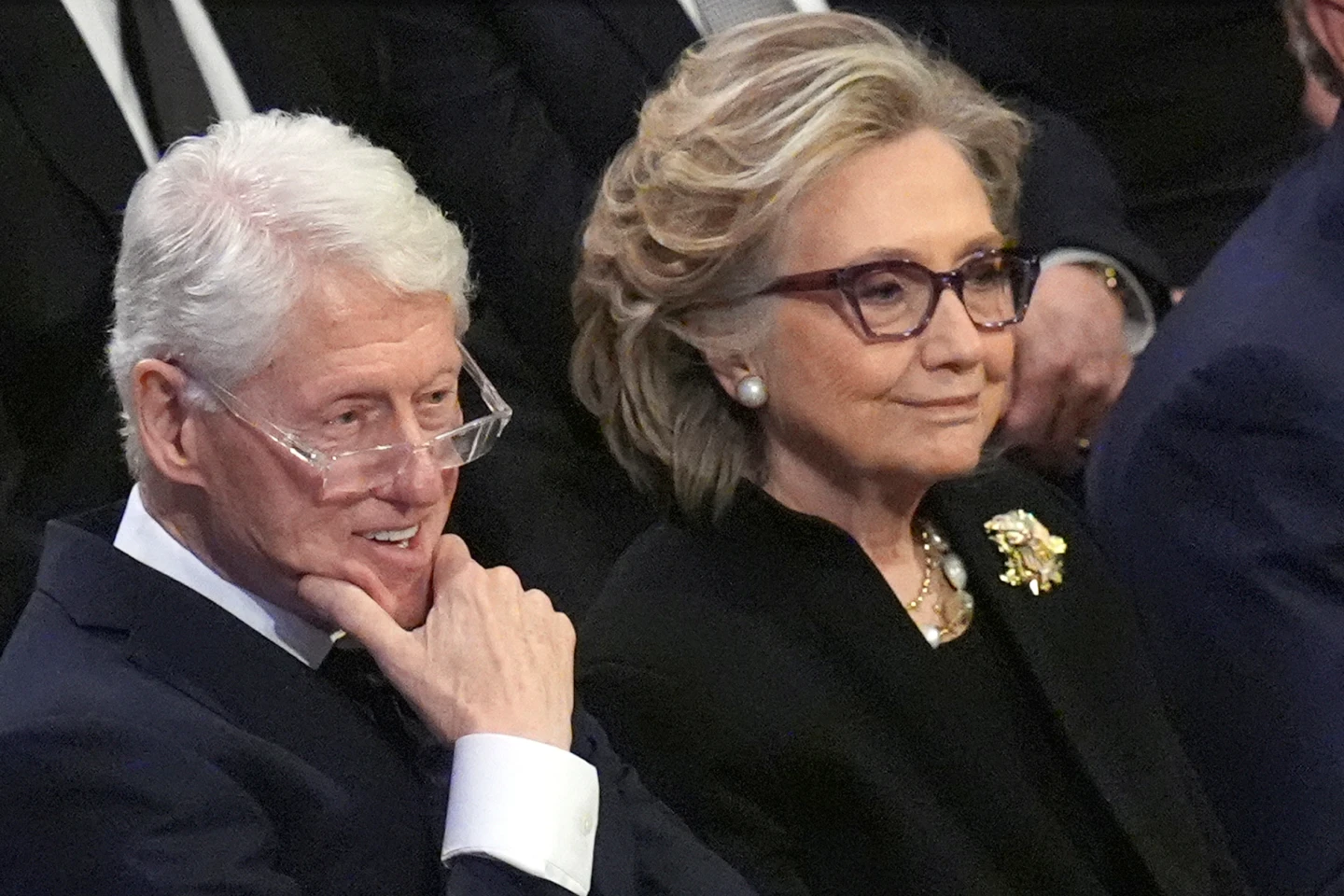
Former President Bill Clinton and former Secretary of State Hillary Clinton have announced their intention not to comply with a congressional subpoena concerning the investigation into Jeffrey Epstein. The Clintons issued a letter on social media critiquing the House Oversight Committee’s inquiries as legally invalid while expressing their readiness to defend against what they describe as a politically charged process. Congressman James Comer, chair of the committee, has threatened contempt of Congress proceedings, which could lead to significant legal implications.
In their statement, the Clintons accused Comer of employing selective enforcement of subpoenas, noting that other former officials have been allowed to provide written statements without facing the same scrutiny. They asserted that they wish to cooperate but believe the current proceedings are unfairly targeting them.
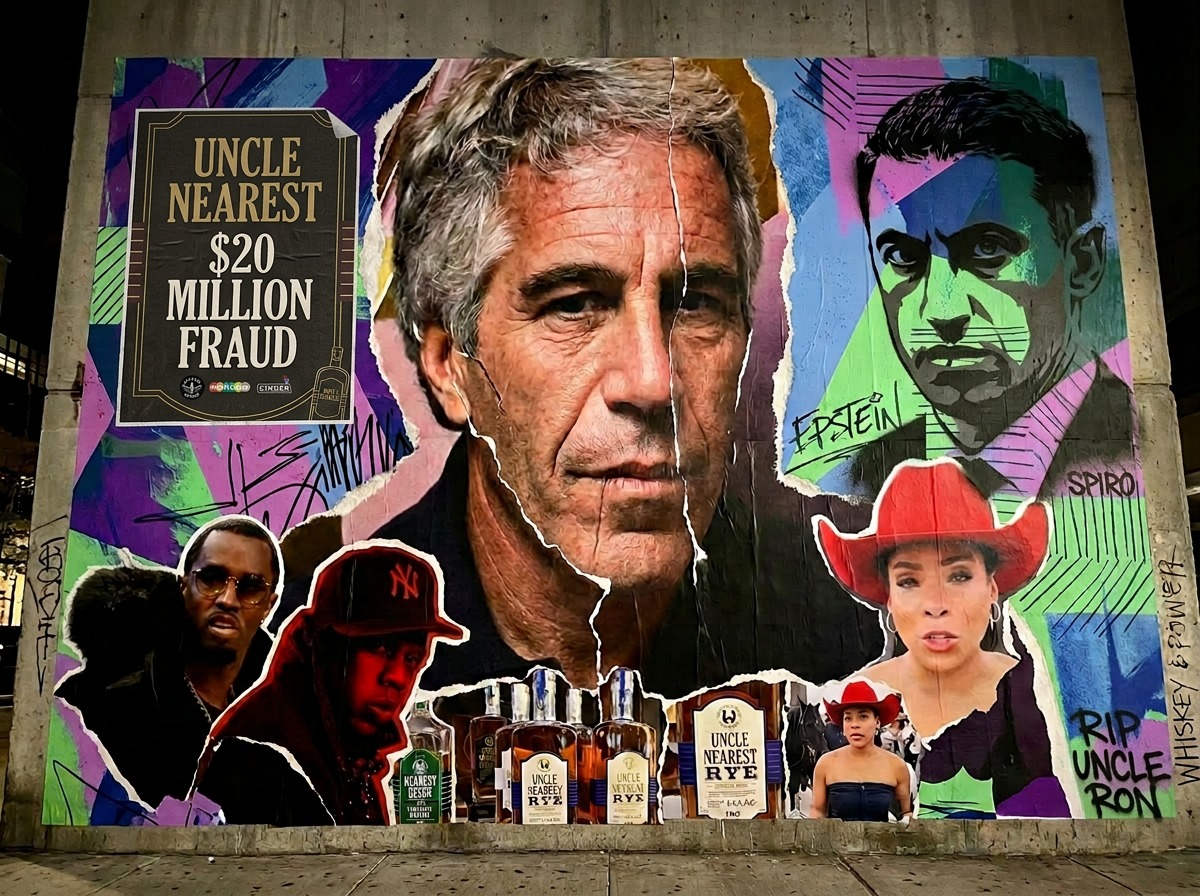
Comer maintains that he simply seeks answers, stating, No one’s accusing the Clintons of any wrongdoing. We just have questions. Despite having a long-standing friendship with Epstein, Clinton has never been implicated in any of the allegations against the financier, who was arrested in 2019 on federal sex trafficking charges and later died in custody.
As the investigation unfolds, it raises questions about accountability for those connected to Epstein and the broader implications for congressional inquiries into powerful individuals. The Clintons' refusal to testify marks an unusual chapter in the history of congressional oversight, which traditionally has seen former presidents voluntarily cooperate with investigations.
The Clintons indicated they are ready to defend their position vigorously and assert that Epstein's crimes were heinous, emphasizing their limited knowledge about his activities. As scrutiny continues, the dynamics around high-profile figures and their associations with Epstein remain a significant area of focus for lawmakers and the public alike.