In brief
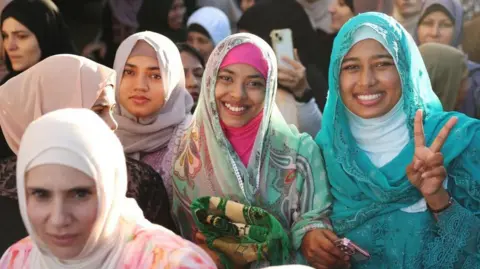
As Eid celebrations took place in Lakemba, Sydney, the rising tide of Islamophobia posed challenges for the Muslim community. Despite safety concerns and increased incidents of anti-Islam threats, community members rallied to celebrate their cultural identity, emphasizing the need for unity and togetherness during these trying times.
As sunset approached in the south-western Sydney suburb of Lakemba last week, the streets outside the Imam Ali bin Abi Taleb Mosque filled with thousands of people for a community Iftar—an evening meal marking the end of daily fasting during Ramadan. The atmosphere was vibrant, with tables adorned in white cloths, and families sharing boxes of dates to break their fast, yet a police surveillance trailer nearby highlighted the underlying tensions.
We are going through very challenging times at the moment for the Muslim community and Australia in general, stated Gamel Kheir, secretary of the Lebanese Muslim Association, which organized the Iftar. He emphasized the heightened need for communities to come together, saying, If ever there was a need for communities to come together and break bread, I would say this year is more [important] than ever.
Islamophobia has surged in Australia, with the Islamophobia Register Australia reporting an average of 18 incidents weekly. Since the October 7 Hamas attack on Israel, incidents have increased by 636%. Similarly, antisemitic reports have nearly quintupled, exacerbating communal fears, especially following tragedies like the Bondi Beach massacre.
The sentiment of frustration was palpable as Muslim leaders voiced their concerns during a recent visit from the Australian Prime Minister and Home Affairs Minister to the Lakemba mosque, where they faced heckling over Australia's foreign involvement. This tension underscores how national issues impact local communities, particularly in areas like Lakemba, home to a significant Muslim population.
Despite the rising Islamophobia, community spirit remains strong in Lakemba, known for its vibrant Muslim culture and identity. The resilience shown during Eid reflects a commitment to unity and support, as the community navigates the complexities of global and local tensions.