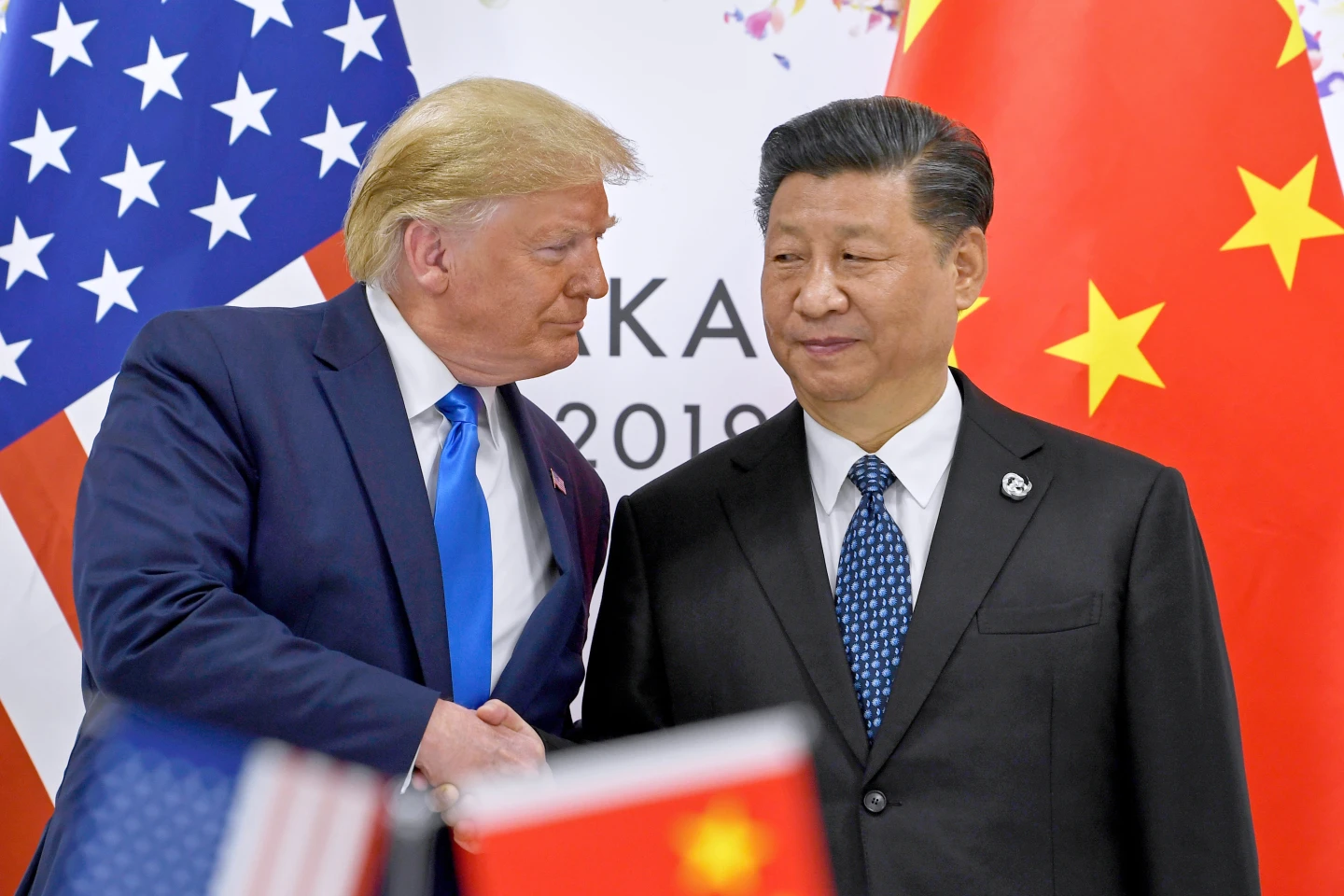
WASHINGTON — The calm following the September 19 phone call between U.S. President Donald Trump and Chinese President Xi Jinping quickly dissolved into a renewed game of economic chess. The U.S. expanded sanctions on Chinese firms, prompting Beijing to implement stricter permit requirements for rare earth materials crucial for various industries, from smartphones to military equipment.
President Trump escalated the rhetoric by threatening an additional 100% tariff on Chinese goods, complicating prospects for a trade deal prior to a potential summit in South Korea at the upcoming Asia Pacific Economic Cooperation meeting.
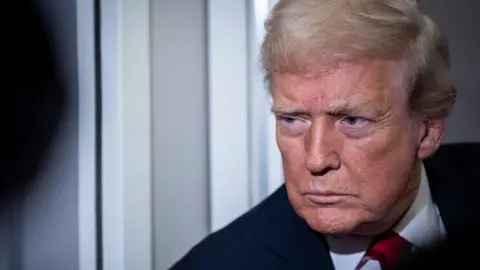
I threaten them with something I think is much more powerful. That’s tariffs, Trump stated, before suggesting that the U.S. could halt the delivery of airplane parts to China.
In response, a spokesperson for the Chinese commerce ministry defended its position, asserting, Willful threats of high tariffs are not the right way to get along with China." This back-and-forth highlights the complexities in the relationship between the world's two largest economies.
Economic Leverage and Negotiation Strategies
Nick Burns, a former U.S. ambassador to China, noted, I think both sides have tried to deploy lots of leverage ... to the advantage of their negotiating position. Current strategies reflect a mutual understanding that success hinges on controlling the pace and nature of escalation.
The negotiations are underpinned by an understanding of interdependence, as Craig Singleton from the Foundation for Defense of Democracies articulated. Here, dominance in the trade relationship is less about having superior resources and more about who navigates the risks better.
While the U.S. has the capacity to impose significant economic costs, China has demonstrated resilience, leveraging its purchasing power over agricultural goods and its control over rare earth processing. The U.S. holds technological supremacy, especially in advanced computing and aerospace.
China Takes the Offensive
Jonathan Czin, a former official at the National Security Council, expressed that China’s new regulations on rare earths signal a strategic offensive intended to establish a more favorable dynamic in bilateral discussions. Observers suggest these moves indicate Xi’s belief that he has the upper hand in recent negotiations.
Insiders reveal that the U.S. seems to be reacting rather than proactively strategizing in these trade skirmishes, with one source indicating that while China appears to be three or four steps ahead, the U.S. is caught off guard. Future deals, if reached, will likely not replicate prior arrangements that leaned heavily in favor of the United States.
According to Gabriel Wildau from Teneo, any agreement will reflect a compromise, with both nations achieving portions of their objectives without yielding completely to the opposing agenda.