WASHINGTON (AP) — The U.S. imposed sanctions on 10 individuals and entities from Iran and Venezuela due to their alleged roles in furthering Iran's drone trade and ballistic missile program, which the administration argues presents a significant risk to the U.S. and its allies in the Middle East.
The Treasury Department revealed that this latest round of sanctions aims to reinforce the United Nations sanctions on Iran over its nuclear ambitions, which Iran claims are for peaceful purposes.
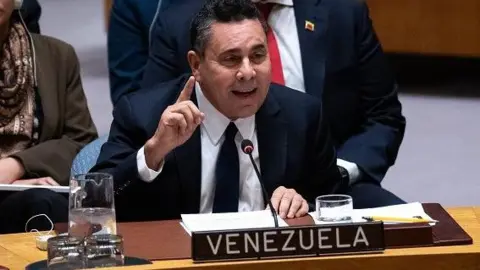
Among those sanctioned is a Venezuelan firm and its chairman, accused of acquiring Iranian drones; three Iranian nationals linked to the procurement of chemicals used in ballistic missile development; and several Iran-based entities associated with Rayan Fan Group, which has been previously sanctioned by the U.S.
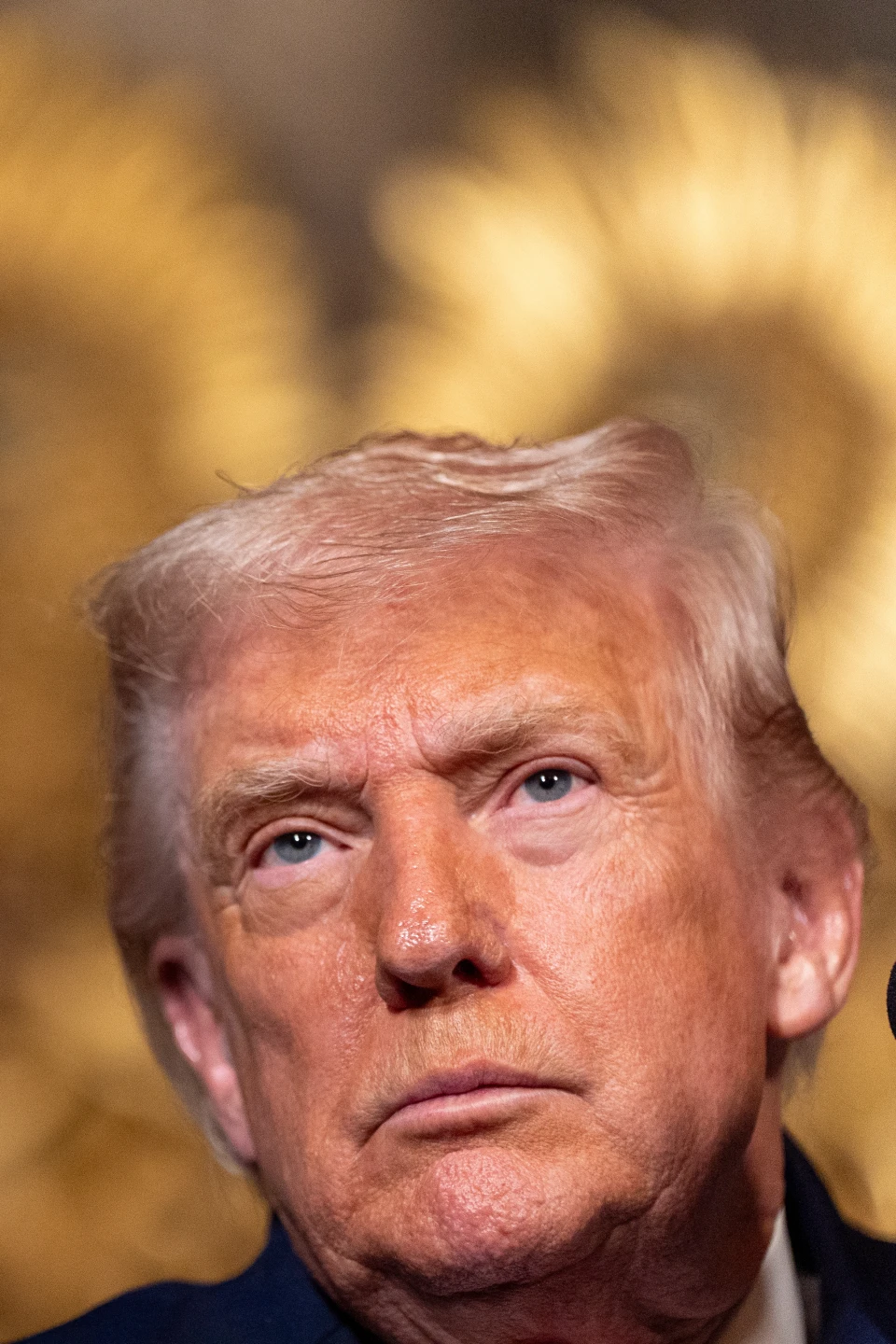
Earlier this year, President Donald Trump reinstituted a campaign of “maximum pressure” on Iran, striving to curtail its nuclear weapons development. This strategy included U.S.-led military actions against key Iranian enrichment facilities after escalating hostilities between Israel and Iran, ignited by attacks on Iran’s nuclear and military infrastructure.
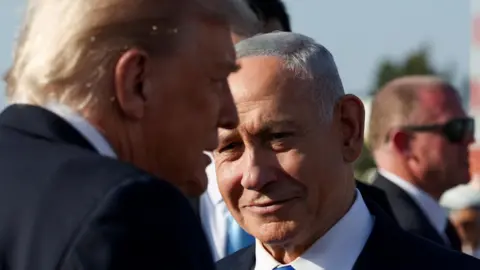
In recent discussions, Trump reiterated to Iranian officials that further military operations are on the table if the nation attempts to restore its nuclear program. His talks in Florida with Israeli Prime Minister Benjamin Netanyahu underscored ongoing regional tensions.
Treasury's Undersecretary for Terrorism and Financial Intelligence, John K. Hurley, stated, “We will continue to take swift action to deprive those who enable Iran’s military-industrial complex access to the U.S. financial system.”
Additionally, State Department spokesman Tommy Pigott echoed concerns over Iran's violations of UN arms restrictions, stressing that Iran's supply of arms to Venezuela threatens U.S. interests within the region.
The Treasury Department revealed that this latest round of sanctions aims to reinforce the United Nations sanctions on Iran over its nuclear ambitions, which Iran claims are for peaceful purposes.
Among those sanctioned is a Venezuelan firm and its chairman, accused of acquiring Iranian drones; three Iranian nationals linked to the procurement of chemicals used in ballistic missile development; and several Iran-based entities associated with Rayan Fan Group, which has been previously sanctioned by the U.S.
Earlier this year, President Donald Trump reinstituted a campaign of “maximum pressure” on Iran, striving to curtail its nuclear weapons development. This strategy included U.S.-led military actions against key Iranian enrichment facilities after escalating hostilities between Israel and Iran, ignited by attacks on Iran’s nuclear and military infrastructure.
In recent discussions, Trump reiterated to Iranian officials that further military operations are on the table if the nation attempts to restore its nuclear program. His talks in Florida with Israeli Prime Minister Benjamin Netanyahu underscored ongoing regional tensions.
Treasury's Undersecretary for Terrorism and Financial Intelligence, John K. Hurley, stated, “We will continue to take swift action to deprive those who enable Iran’s military-industrial complex access to the U.S. financial system.”
Additionally, State Department spokesman Tommy Pigott echoed concerns over Iran's violations of UN arms restrictions, stressing that Iran's supply of arms to Venezuela threatens U.S. interests within the region.