WASHINGTON (Echosphere) — President Trump’s handling of inflation is stirring a sense of déjà vu among voters. Much like those before him, he is attempting to allay concerns about the economic burden through promises of new factory jobs and lower costs for daily necessities. Trump’s approach mirrors past leaders, especially tackling high prescription drug prices and reprimanding companies for raising fees.
Trump's statements about an imminent economic boom reflect his assumption that inflation, which many voters find crippling, is a mere fleeting issue. However, as unresolved inflation issues linger, his attempts may be wearing thin.
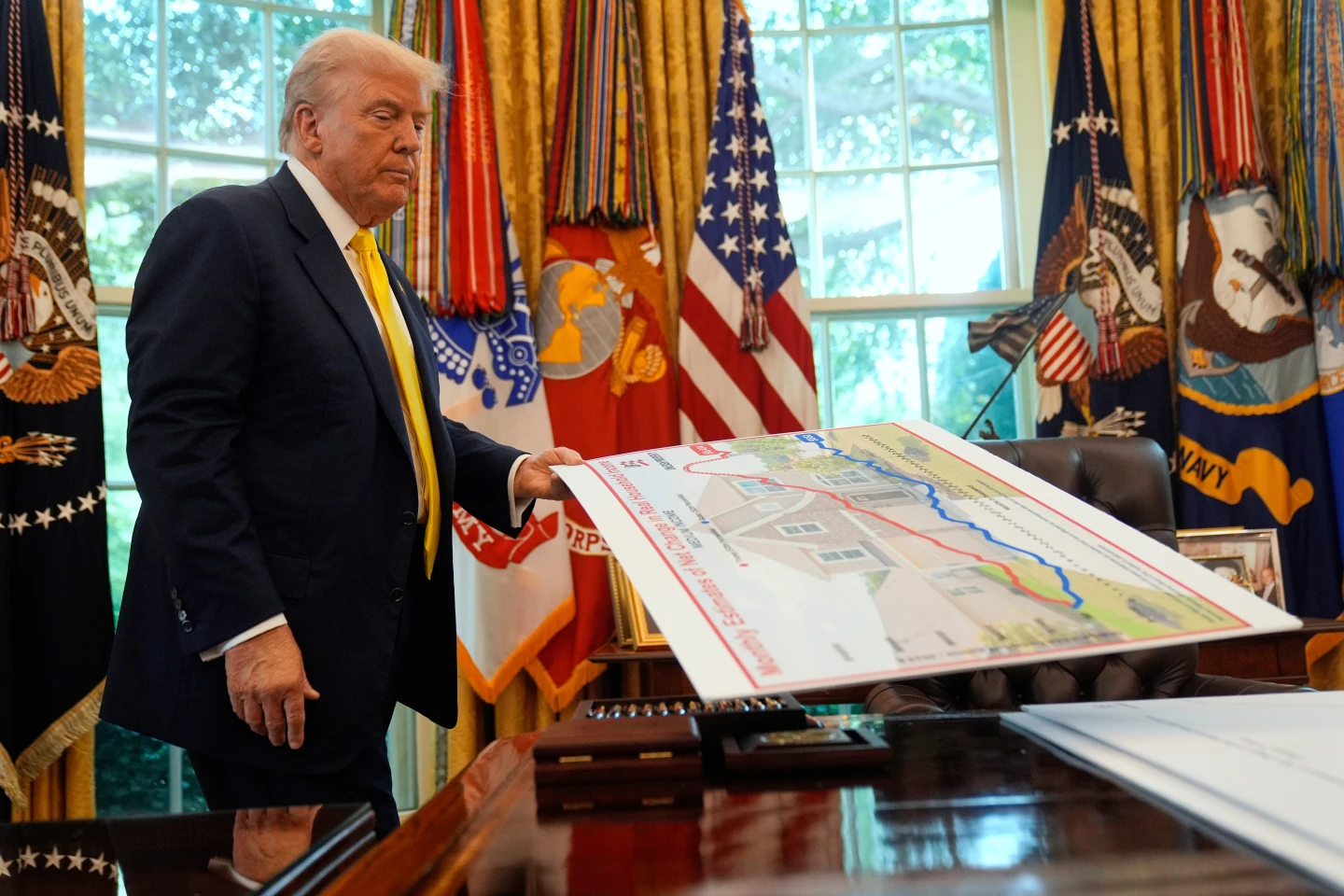
In the latest elections, voters expressed significant discontent with Trump's economic policies, swaying toward the Democrats due to affordability concerns. This reaction has prompted Trump to float various incomplete strategies aimed at alleviating financial strains, including promises of rebates and alterations in mortgage terms designed to ease monthly payments.
Despite these claims, analysts like Bharat Ramamurti have dismissed many of Trump’s proposals as gimmicks that lack the potency needed to combat inflation effectively.
“They’ve cultivated a reputation for neglecting costs while possessing limited tools that can deliver timely relief,” Ramamurti notes, hinting at a tough political landscape ahead for Trump. This sentiment resonates with many voters who are increasingly skeptical of presidential assurances about economic improvements.
Reflecting on Biden’s presidency, the economic environment has been rife with challenges stemming from the pandemic, rising costs, and ongoing international crises that have exacerbated inflation. Despite Biden’s efforts to prioritize economic recovery, inflation rates climbed significantly, leading to widespread dissatisfaction among the populace. He touted successes like the economic growth rate and job creation in recent speeches, yet many remain unconvinced, as only 36% of Americans approved of his economic strategies as of 2023.
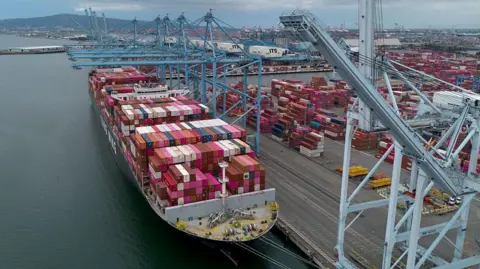
In parallel fashion, Trump faces the critique that his own policies have accelerated inflationary pressures. Established Republicans claim that the tariffs imposed during his term have inflated costs passed on to consumers, while his actions affecting energy projects further burden households with high utility expenses.
Advisers from the Biden administration have pointed out that Trump’s arrival into office marked a period of stable growth, a stark contrast to the escalating inflation seen during his subsequent governance, creating perceptions among voters that his practices have reversed positive economic trends.
Economist Michael Strain argues both Trump and Biden have downplayed the significance of inflation, aiming instead to focus on broader economic indicators while employing strategies like fiscal checks to placate citizen concerns.
As Trump continues to advocate a range of tax cuts and regulatory changes in hopes of enhancing supply and fostering economic growth, analysts remark that achieving immediate positive outcomes from these measures will be challenging, especially with key inflationary pressures still in play.
Ultimately, the clock presses on Trump, as it often takes considerable time to rebuild consumer confidence post-inflation hikes. Analysts suggest that without a significant positive shift in economic realities, Trump will find it increasingly difficult to convince voters of his capability to improve affordability for their everyday lives.
For now, Trump resorts to highlighting Biden’s economic missteps as a strategy to shift blame, thus igniting further debate about leadership accountability in troubling economic times.