In brief
In a recent summit in Cairo, Arab leaders proposed a detailed $53 billion plan aimed at rebuilding Gaza post-conflict, while ensuring that Palestinians remain in their homeland. However, both the US and Israel have swiftly rejected the proposal, adhering to a contrasting vision put forth by President Trump.
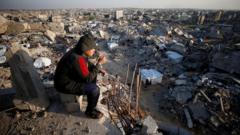
The Arab League recently unveiled a robust $53 billion plan to facilitate the post-war reconstruction of Gaza, strongly opposing a proposal from President Donald Trump that calls for the permanent resettlement of Palestinians outside the region. The initiative, presented at an emergency summit in Cairo, aims to address the catastrophic destruction reported in Gaza, where over 90% of homes are estimated to be damaged or destroyed due to ongoing conflict.Endorsed by numerous Arab leaders, the plan advocates for a transitional governance system managed by independent experts along with the involvement of international peacekeepers to help stabilize the region. The response from the US and Israel, however, has been swift and dismissive, with officials arguing that the Arab proposal does not reflect the current realities of Gaza's situation. Both parties stand firmly behind Trump’s controversial vision, which controversially suggests the US take control of Gaza, ultimately displacing its native population.The Arab proposal outlines a phased approach to reconstruction over the course of five years, focusing on rebuilding critical infrastructure and providing housing for displaced residents. The program plans for an initial $3 billion investment to clear debris from houses and any unexploded ordnance, before progressing to the rebuilding of utilities and the establishment of an airport, seaports, and industrial zones in the following phases. In reaction to the endorsement of the plan, spokespersons for the Israeli foreign ministry asserted that it "fails to address the realities" following the escalation of conflict on October 7, 2023. They emphasized an opportunity for Gazans to exercise free choice under Trump's proposal, which they believe provides a more viable solution.Palestinian leadership from both Hamas and the Palestinian Authority welcomed the Arab reconstruction plan, criticizing any notions of displacement as violations of international law and potential acts of ethnic cleansing. The discourse surrounding the fate of Gaza is exacerbated by a fragile ceasefire and ongoing humanitarian crises, highlighting the urgent need for sustainable solutions that prioritize the rights and welfare of the local population.As war ravages the landscape, the urgency of establishing a comprehensive plan for Gaza's recovery remains paramount, yet stark divisions between various international stakeholders complicate the road ahead. The stark contrast in approaches to resolution and rehabilitation reflects deeply entrenched geopolitical and humanitarian issues that continue to escalate amid the destruction.