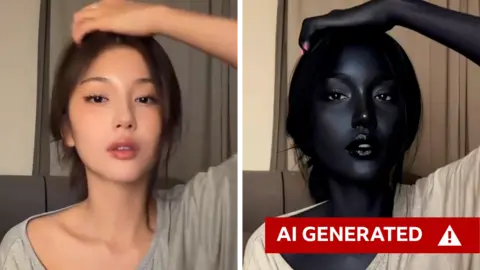
TikTok has banned 20 accounts after a significant investigation by the BBC revealed the usage of AI-generated representations of black female influencers designed to lead followers to sexually explicit content. This troubling phenomenon reflects a growing trend on social media platforms such as Instagram and TikTok, with critics branding it as exploitative and racist, as it perpetuates harmful racial tropes.
The BBC, in conjunction with researchers from the independent AI publication Riddance, discovered a slew of accounts featuring hyper-sexualized digital avatars that are not accurately labeled as AI-generated, which is a violation of the platforms' own guidelines.
A significant proportion of these accounts are found on Instagram, with TikTok also hosting some. Прoactive measures from Instagram's parent company, Meta, are currently unconfirmed as they investigate these issues.
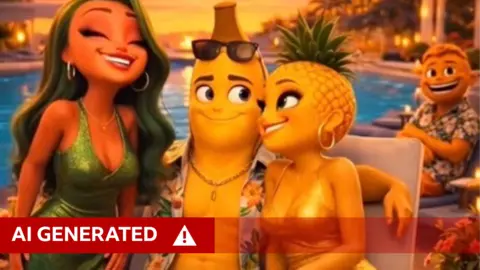
The AI-generated avatars often display unrealistic beauty standards, sporting exaggerated features and typically wearing revealing clothing. Some account names contain explicit racial terminology and suggestive remarks about white males, indicating a troubling trend in how black identities are commercially exploited.
In a notable case, an AI-generated account, which amassed three million followers within weeks, has been criticized for appropriating video content from real black influencers like Riya Ulan, a Malaysian model. Riya expressed her anger, stating, 'It doesn't mean that you can just take it and steal it and post it as your own.'
Experts argue that these accounts foster racism and exploitation under the guise of digital representation. The presence of these AI-generated influencers not only misrepresents reality but can lead to societal harm by distancing portrayals of black women from authenticity. Both TikTok and Instagram are facing scrutiny over their roles in allowing this content to proliferate.
While TikTok reaffirmed its stance against harmful AI content, Meta's ongoing investigation into the identified issues raises questions regarding the efficacy of content moderation on social media platforms.