In brief
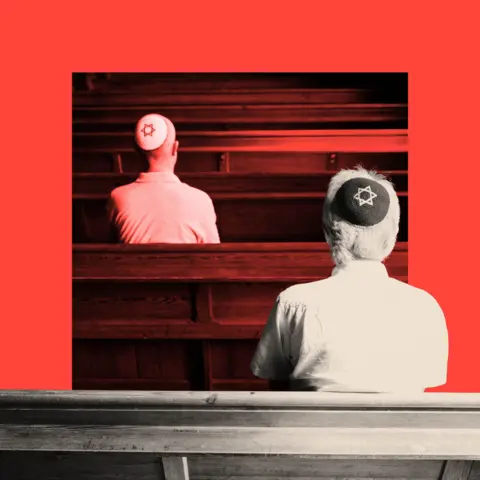
In the wake of increased antisemitism and tragic events related to the Israel-Palestine conflict, the British Jewish community is undergoing significant changes. Many members are experiencing heightened anxiety about their security and reevaluating their connections to Israel, leading to diverse opinions within the community. While some feel a renewed attachment to their Jewish identity and supporting Israel, others are increasingly critical of Israeli policies, showcasing a growing generational divide.
It's been an incredibly difficult two years, says Phil Rosenberg, president of the Board of Deputies of British Jews. I think our Jewish identity is being worn far more heavily these days given the pain of it all. Conflict in the Middle East has profoundly affected British Jewish society, particularly after the attacks of 7 October, which claimed the lives of British Jews and resulted in many others being held hostage. The subsequent war has exacerbated feelings of vulnerability and fear, especially with a noted rise in antisemitism.
The horrific shooting in Bondi Beach aimed at a Jewish community gathering and the attack during Yom Kippur in Manchester have left deep scars, reflecting widespread anxiety among Britain’s estimated 300,000 Jews about their safety and identity. The attacks and the consequent rise in antisemitic hate crimes—doubling from 1,543 in the previous year to over 3,282—highlight the pressing concerns within the community.
As members express how this moment marks a significant turning point for British Jewry, many report feeling more connected to their Jewish identity. Yet, this has come at a cost, with a clear generational divide emerging. Younger Jews are increasingly questioning their connection to Israel, with a survey revealing that while 64% of all British Jews identified as Zionist, only 47% of those aged 20-30 felt the same.
For some, support for Israel is waning, as exemplified by figures like Tash Hyman, who articulates her discontent with Israel's actions in Gaza, stating, the actions of the state of Israel make me feel less safe, not more safe. Meanwhile, others like Dame Louise Ellman advocate for staunch support of Israel, seeing it as central to Jewish safety.
As discussions of Israel become more polarized, community members are grappling with complex feelings of identity, safety concerns, and the impact of rising antisemitism and conflict. Phil Rosenberg emphasizes the necessity for dialogue and community resilience, stating, the future of Jewish people in the UK is on a real knife edge, making the importance of societal support and understanding even more crucial.