Hollywood loves to call this era a golden age. More shows. More movies. More platforms. More content than at any point in history. What it doesn’t advertise is the cost of that expansion, because it isn’t paid by executives or shareholders. It’s paid by actors and writers whose compensation quietly collapsed as streaming took over.
This didn’t happen because the industry was struggling. It happened because the business model changed in a way that allowed studios to keep the profits while cutting labor out of the upside.
RESIDUALS WERE A SAFETY NET — AND STREAMING CUT IT
For decades, residuals were not bonuses. They were survival income. They paid rent between jobs, kept union health insurance active, and allowed working performers and writers to stay in the industry without constant financial free fall.
Under broadcast television, success was measurable. Ratings were public. Advertising revenue was trackable. When a show reran or entered syndication, residuals followed.
Streaming removed that accountability.
HOW STREAMING CHANGED THE MATH
Streaming platforms do not sell shows. They sell subscriptions. That distinction allowed studios to classify hit series as internal costs rather than profit-generating assets.
Shows could dominate pop culture and still be labeled unprofitable on paper through content amortization, internal licensing, and expense offsets.
Residuals tied to profit collapse when profits are engineered out of existence.
This is not creative evolution. It is financial engineering.
FLAT FEES REPLACED LONG-TERM PAY
Instead of residuals that scale with success, streaming contracts rely on flat fees and capped bonuses that barely change regardless of viewership.
A series watched by millions can pay the same residual as one barely noticed.
Popularity no longer determines compensation.
That isn’t modernization. It’s wage suppression.
THE MONEY DIDN’T DISAPPEAR — IT MOVED UPWARD
When residuals collapsed, someone benefited.
Studios gained permanent control of content libraries. Streamers avoided backend payouts. Executives were rewarded through stock performance and subscriber growth bonuses.
Only a small tier of top-level talent negotiated around the system.
This wasn’t a market failure.
It was a transfer of wealth.
ACTORS FELT IT FIRST
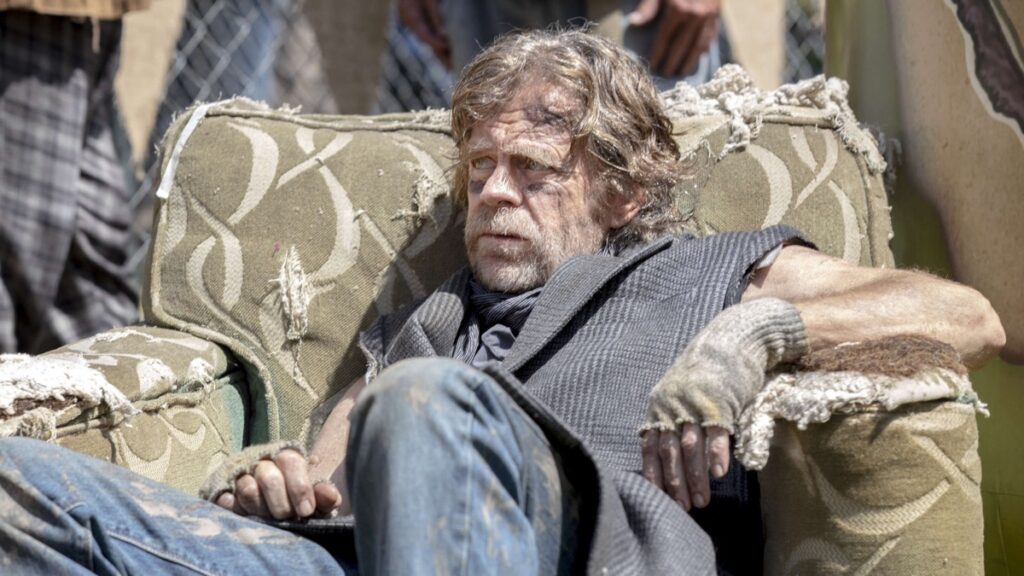
Residuals were never about luxury. Tens of thousands of SAG-eligible actors earn less than $7,000 a year from acting work.
Streaming eliminated reruns and syndication while keeping performances online forever.
The work lasts indefinitely.
The pay does not.
WRITERS WERE HIT THE SAME WAY
WGA data showed that streaming residuals often fail to reflect actual audience size or cultural impact.
Shows that dominated streaming charts generated less long-term income than modest cable series from the early 2000s.
Make the hit.
Don’t expect to share in it.
THE STRIKES MADE THE SYSTEM VISIBLE
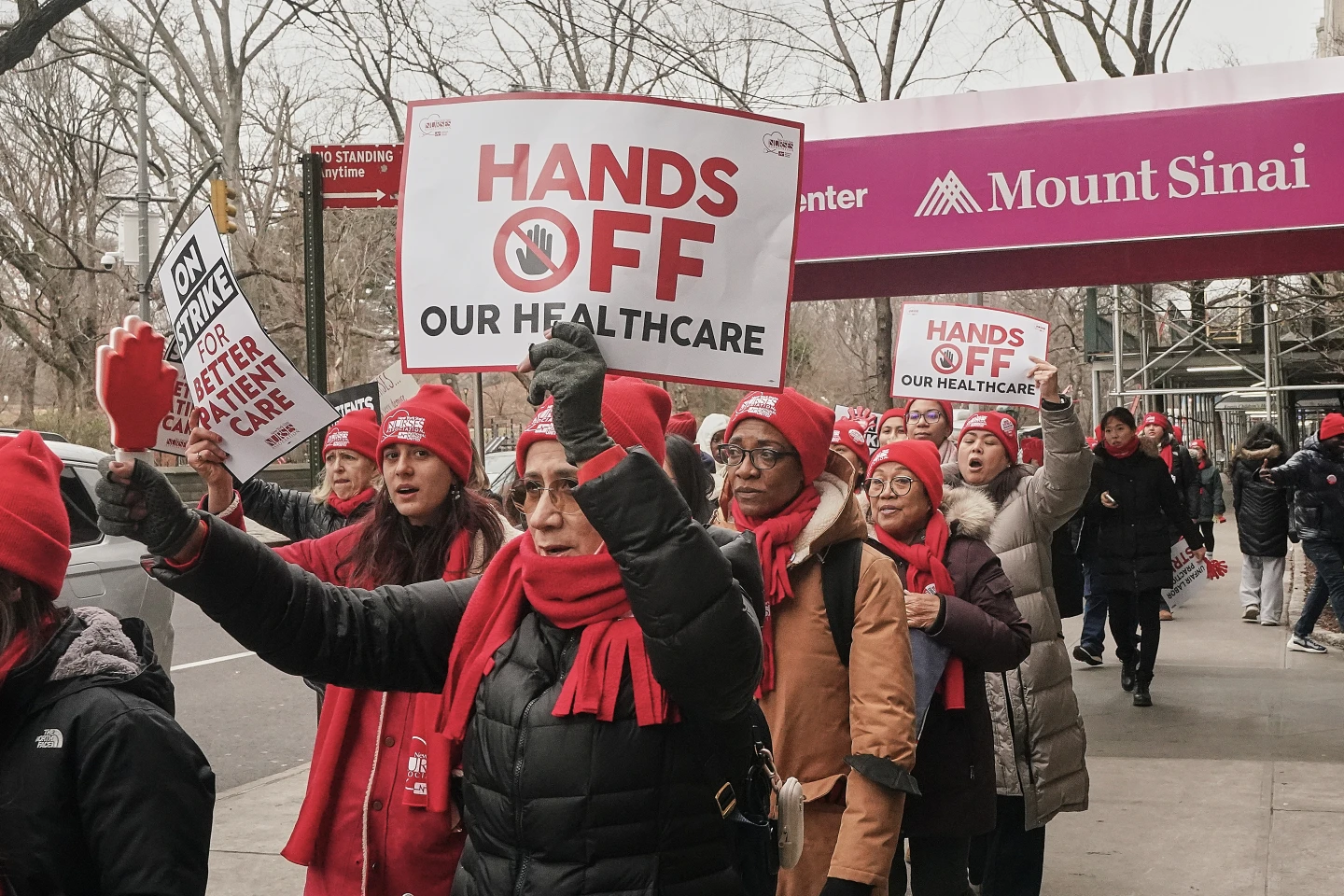
In 2023, the Writers Guild of America struck over collapsing residuals, shrinking writers’ rooms, and streaming contracts disconnected from success.
Months later, SAG-AFTRA joined them in the largest joint labor action in modern Hollywood history.
Residuals were a central demand.
Studios resisted transparency while continuing to tout subscriber growth to investors.
THE REAL COST OF THE GOLDEN AGE
Hollywood now operates on a model where success is monetized indefinitely while labor is paid once and discarded.
Streaming didn’t accidentally break residuals.
It replaced a system that rewarded success with one designed to extract value without sharing it.
That is the real cost of the golden age.