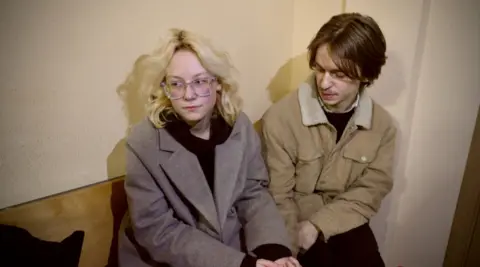
Diana Loginova's street concerts, featuring songs by critical artists, have become a focal point of dissent in a climate of repression in Russia. After being detained for her performances, she faces multiple charges that resonate with the historical context of state oppression during Stalin's era.
In a poignant gathering on Russia's annual Remembrance Day for Victims of Political Repression, attendees read names of those lost during Stalin's purges, highlighting how the echoes of the past influence present civil rights issues. Amid this backdrop, Loginova's story illustrates the modern-day struggles against a regime desperate to suppress dissent.
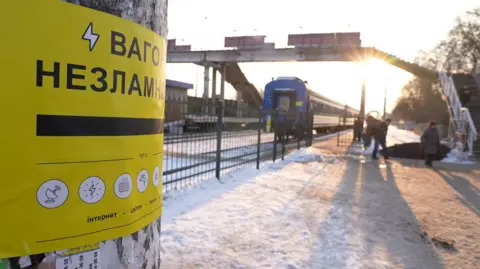
On October 15, Loginova, a student and lead singer of the band Stoptime, was detained for organizing an improvised concert deemed a 'mass public gathering' that obstructed access to a Metro station. Despite her artistic intentions of sharing music with the community, authorities view such expressions as risks to public order.
Her defiance is emblematic of a broader youth movement in Russia that continues to challenge the Kremlin, despite facing a barrage of punitive measures. As Loginova navigates the courtroom system, she expresses both disbelief and determination, supported by a growing network of like-minded individuals.
The story reflects a grim reality: in a country historically marred by political repression, the artistry remains a beacon of hope and resistance against the suffocating grip of authoritarianism.