This past year in Syria has marked a transformative period following the ousting of Bashar al-Assad, with Ahmed al-Sharaa emerging as interim president. One year ago, Syria was in turmoil as rebel groups challenged the Assad regime, leading to its eventual downfall.
Despite being in ruins, many Syrians now feel a sense of liberation and hope under new leadership. However, the country is not without substantial challenges. Al-Sharaa's government struggles with issues of governance and sectarian divisions, particularly among various minority groups such as the Alawites, Kurds, and Druze.
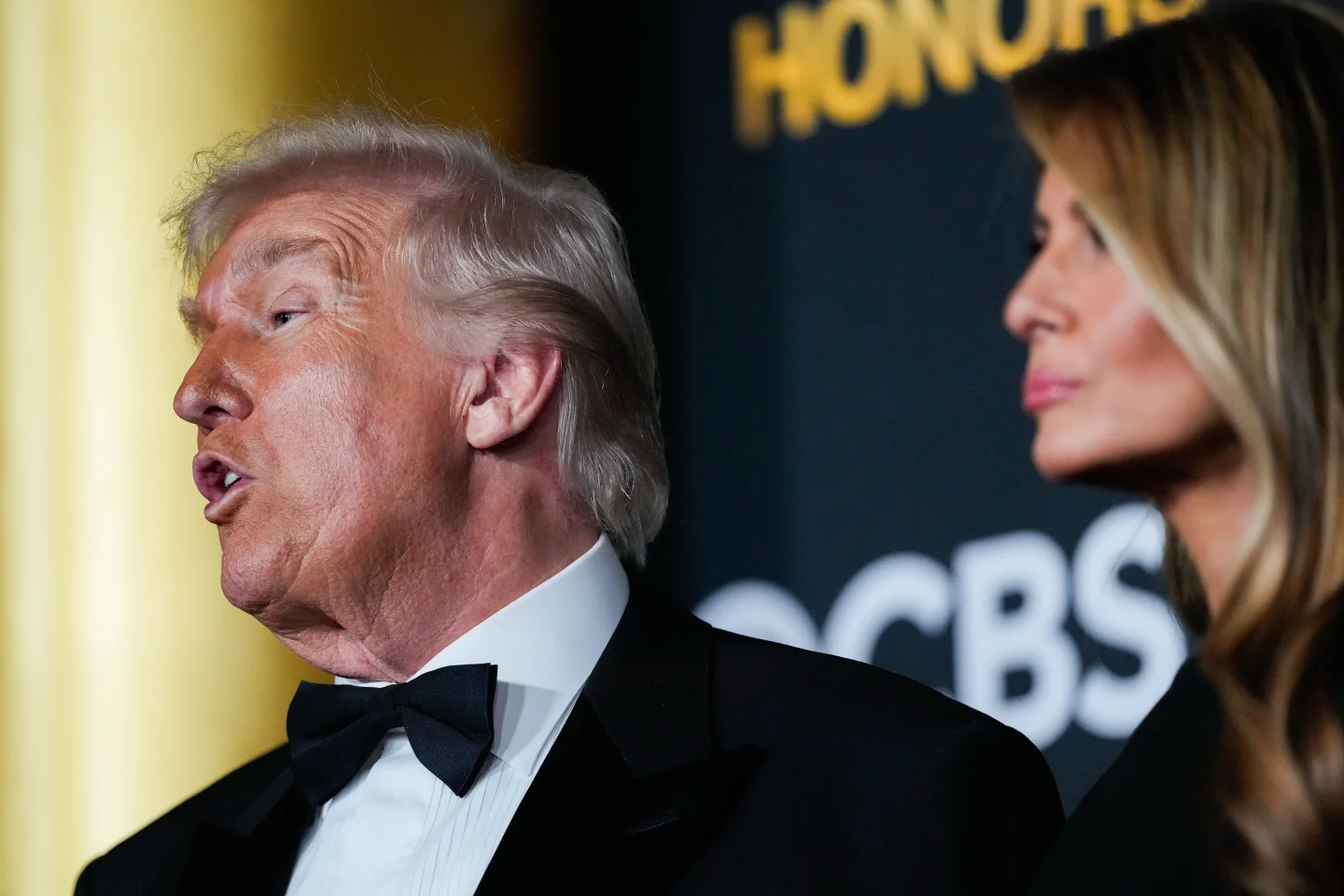
A year into his presidency, reports suggest al-Sharaa has garnered some international support, including meetings with notable figures such as Saudi Crown Prince and former U.S. President Donald Trump. He articulates a vision for restoring stability and promoting inclusivity among the diverse religious demographics of Syria.
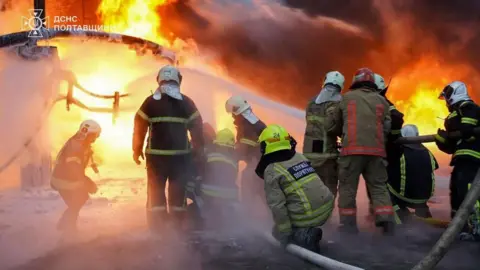
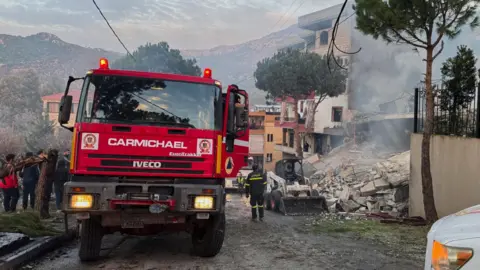
Nevertheless, the reality on the ground remains starkly challenging. The infrastructure is shattered, and many citizens are still living in war-torn communities with limited access to essential services. As violence and sectarian tensions linger, the requirement for reconstruction becomes increasingly urgent, with no clear funding or plan evident.
As Sharaa navigates a complex political landscape, his administration faces pressure to control armed factions and to prevent a resurgence of conflict. International observers remain cautious, noting that the provision security continues to be the government’s most daunting hurdle.
In summary, while the absence of the Assads has lightened the atmosphere in Syria to some degree, the road ahead is fraught with difficulties, and the quest for a peaceful and prosperous future remains a far-off goal for most Syrians.