In brief
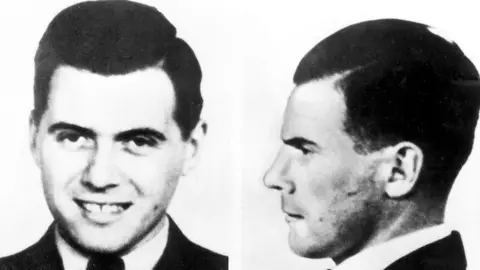
The Swiss Federal Intelligence Service will open files about Josef Mengele, the notorious Auschwitz doctor. Despite years of requests from historians, these files remained sealed for national security reasons. Mengele, responsible for the deaths of hundreds of thousands, fled to South America post-war, but his connection to Switzerland raises concerns about the extent of the authorities' knowledge and actions during that time.
The Swiss Federal Intelligence Service has said it will finally open long-sealed files on the notorious Nazi war criminal Josef Mengele, but without stating a specific date.
Mengele fled Europe after World War Two, but rumors about him spending time in Switzerland had circulated despite an international arrest warrant being out for him.
Historians have long requested access to these files, but Swiss authorities had previously denied these requests.
Mengele, a doctor in Germany's Waffen SS, served in the Auschwitz extermination camp where he was responsible for the selection of victims sent to gas chambers, resulting in the deaths of an estimated 1.1 million people, most of whom were Jews.
Besides being known as the 'Angel of Death', he conducted inhumane medical experiments on prisoners, particularly children and twins.
After the war, like many high-ranking Nazis, Mengele adopted a false identity. He was able to escape Europe using documents issued by the Red Cross at the Swiss consulate in Genoa.
These documents were initially intended for individuals displaced by the war, but many Nazis took advantage of this system, leading to a later apology from the Red Cross.
While Mengele was confirmed to have had a skiing holiday in Switzerland with his son in 1956, historians like Regula Bochsler question whether he returned after an international warrant was issued in 1959. Reports suggest that Austrian intelligence warned Swiss authorities of his presence in 1961.
Bochsler's application for the files was denied, and they remained sealed under national security grounds until now. The recent announcement by the Swiss authorities suggests a potential shift towards greater transparency, although the conditions under which access will be granted remain unclear.
Some historians doubt the files will reveal much about Mengele, suggesting they may contain references to foreign intelligence rather than information on his activities.
With growing public interest and scrutiny, there is concern that the released files may be heavily redacted, possibly obscuring vital information about crimes committed during the war and the role of Switzerland in refuge and protection for Nazi war criminals.
Ultimately, the question remains: how much will these files reveal about the elusive 'Angel of Death' and the extent of Switzerland's complicity in sheltering him?