In brief
A 43‑year‑old Swiss man was arrested after a shooting at a techno rave in Aarau that claimed an Italian 22‑year‑old woman’s life and injured several others. The incident, which took place at a horse racing track, spurred an almost 24‑hour manhunt before authorities secured the suspect. Swiss authorities are now reviewing safety protocols at large nighttime events, while Italy’s leadership calls for stronger cross‑border cooperation. The case underscores the need for strict gun control amid Europe's high rate of firearm ownership and raises questions about how large gatherings can be managed sustainably, balancing cultural expression with public safety.
Police Arrest After Fatal Shooting at Swiss Techno Rave
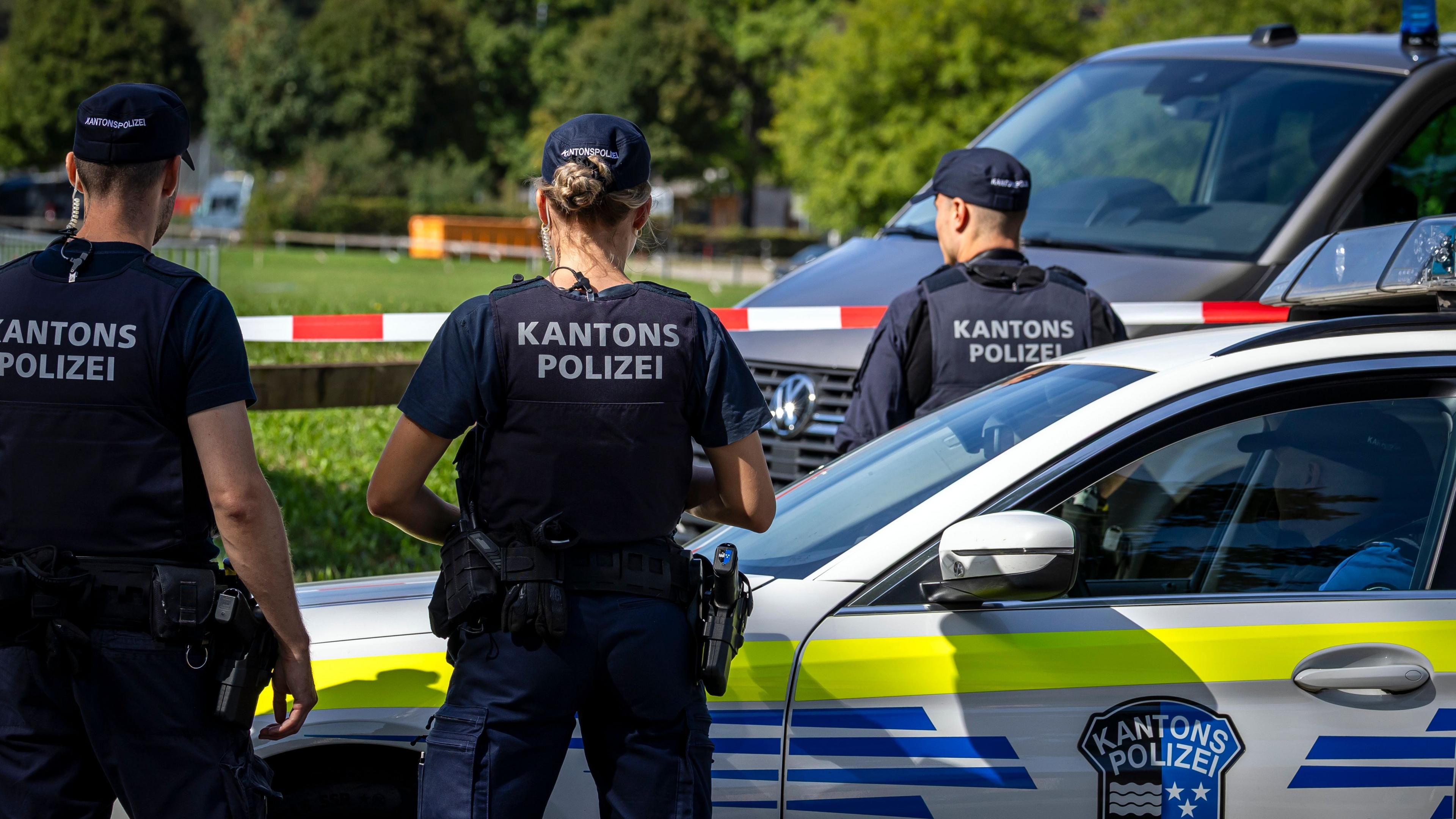
A 43‑year‑old Swiss man has been seized by authorities following a lethal shooting that killed Italian 22‑year‑old Maria Spinelli and injured several attendees at a techno rave held beside a horse racing track in Aarau, Switzerland.
The incident, which began around 02:30 local time on Sunday, prompted a nearly 24‑hour manhunt that concluded with arrests made just before 01:00 Monday. Police reports suggest the shooter acted alone, but investigators are still detailing the exact chain of events, the suspect’s background and potential motives.
The tragedy has drawn attention to safety measures at large nighttime events. Swiss authorities are intensifying discussions about emergency protocols, crowd control, and the broader implications of gun ownership at public gatherings. European gun law experts note that, despite a high rate of firearm ownership in Switzerland, violent shootings remain rare and recent regulatory tightening has curbed frequency.
Italian officials, including Prime Minister Giorgia Meloni, have pledged support for Swiss investigations and called for transparent findings, while the Italian foreign ministry dispatched observers to Zurich to monitor progress. The incident also highlights how events contribute to environmental footprints—noise, lighting, and crowd density—underscoring the need for sustainable festival models that integrate safety and ecological responsibility.
The ongoing inquiry will examine how large‑scale gatherings can balance musical enjoyment with protective oversight, ensuring the future of nightlife does not come at a human cost. For stakeholders involved in event planning and public policy, these developments emphasize the urgency of re‑examining risk assessment frameworks to safeguard both people and the planet.