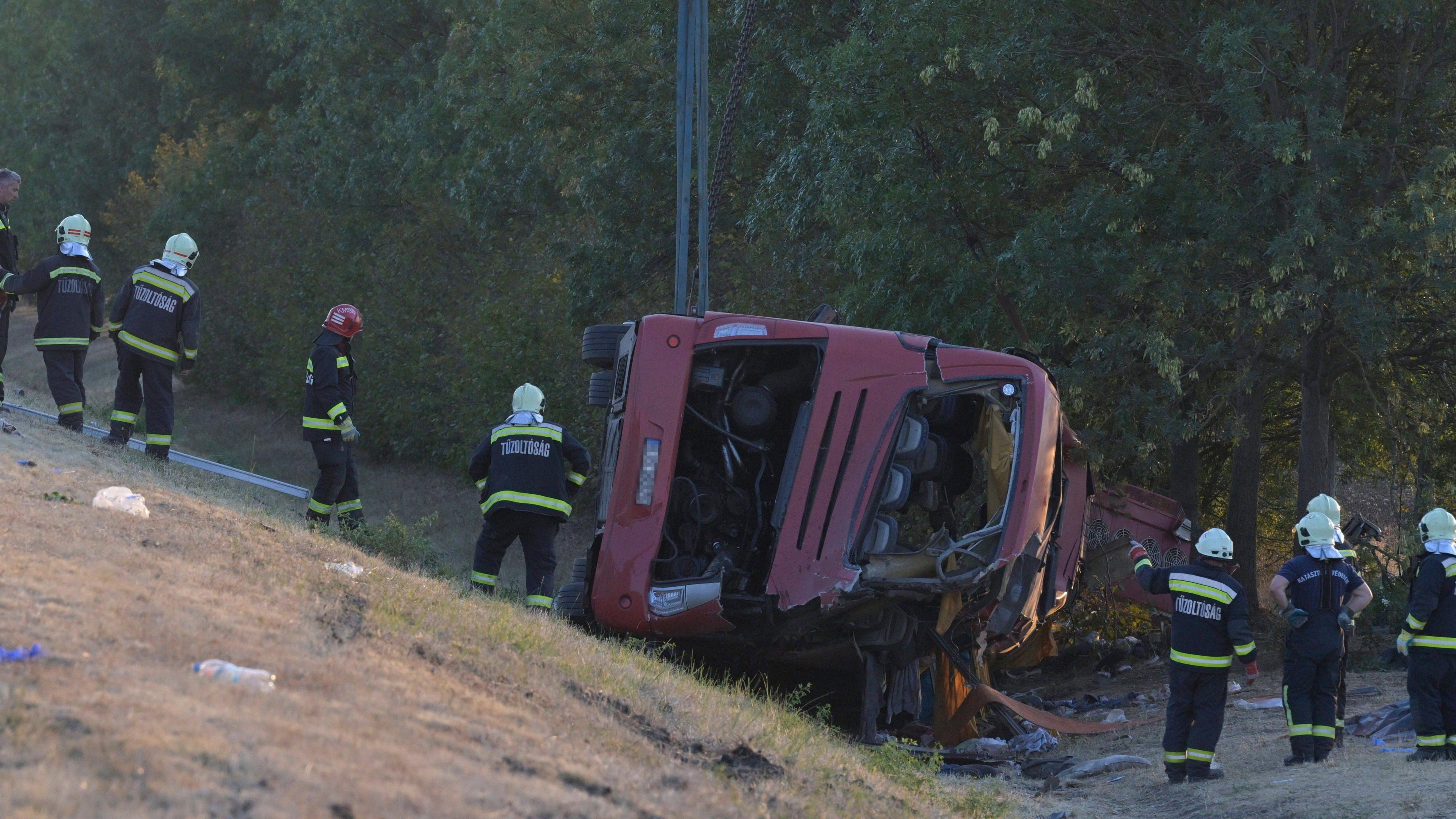
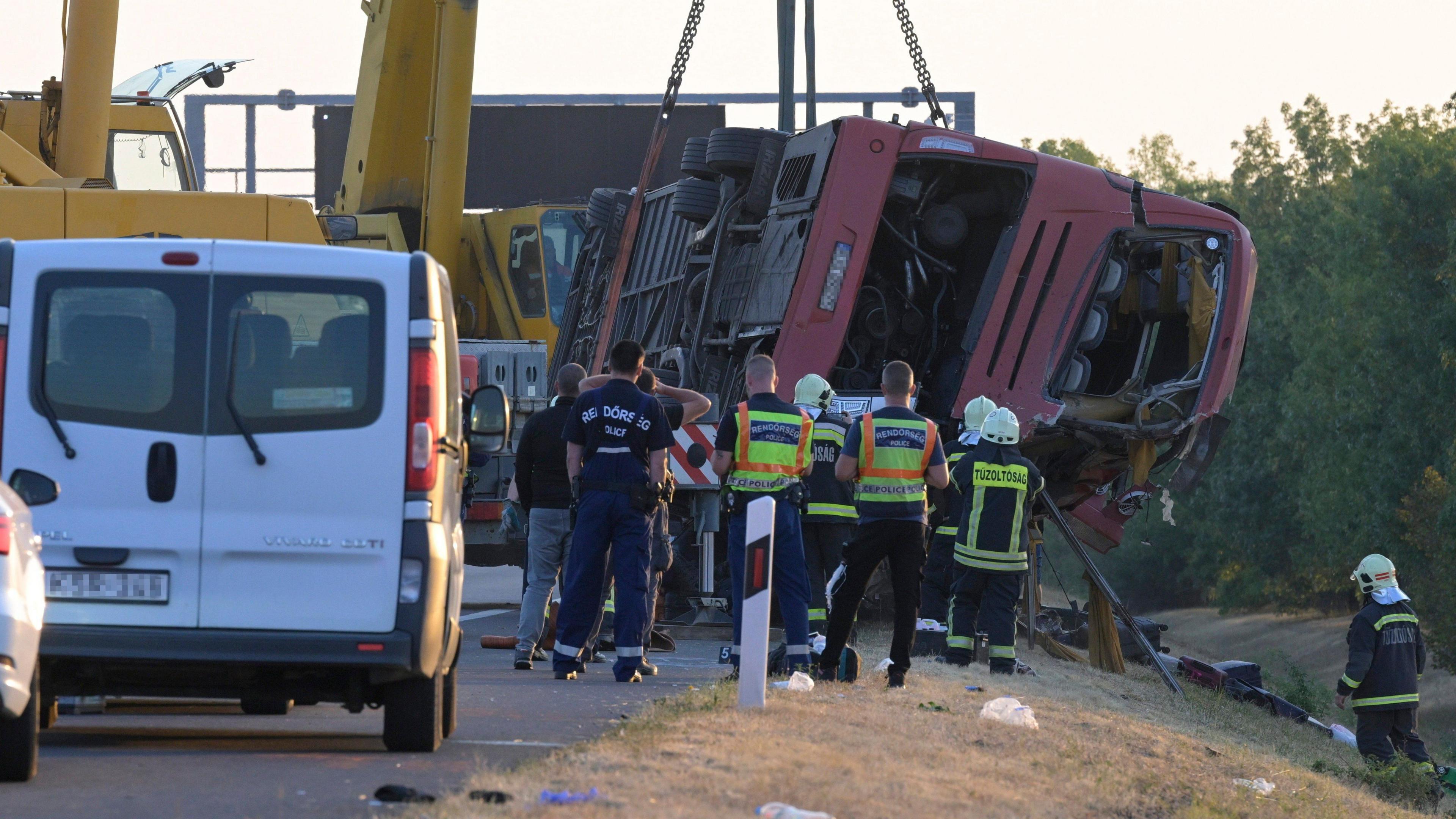
A Dutch‑owned tourist coach overturned in the southeastern Swiss Alps, killing several people and leaving others seriously injured. The wreck occurred between Susch and Zernez in the Graubünden region on Thursday afternoon, a day after the coach had departed the Netherlands for a day‑trip itinerary that included a stop in Austria.
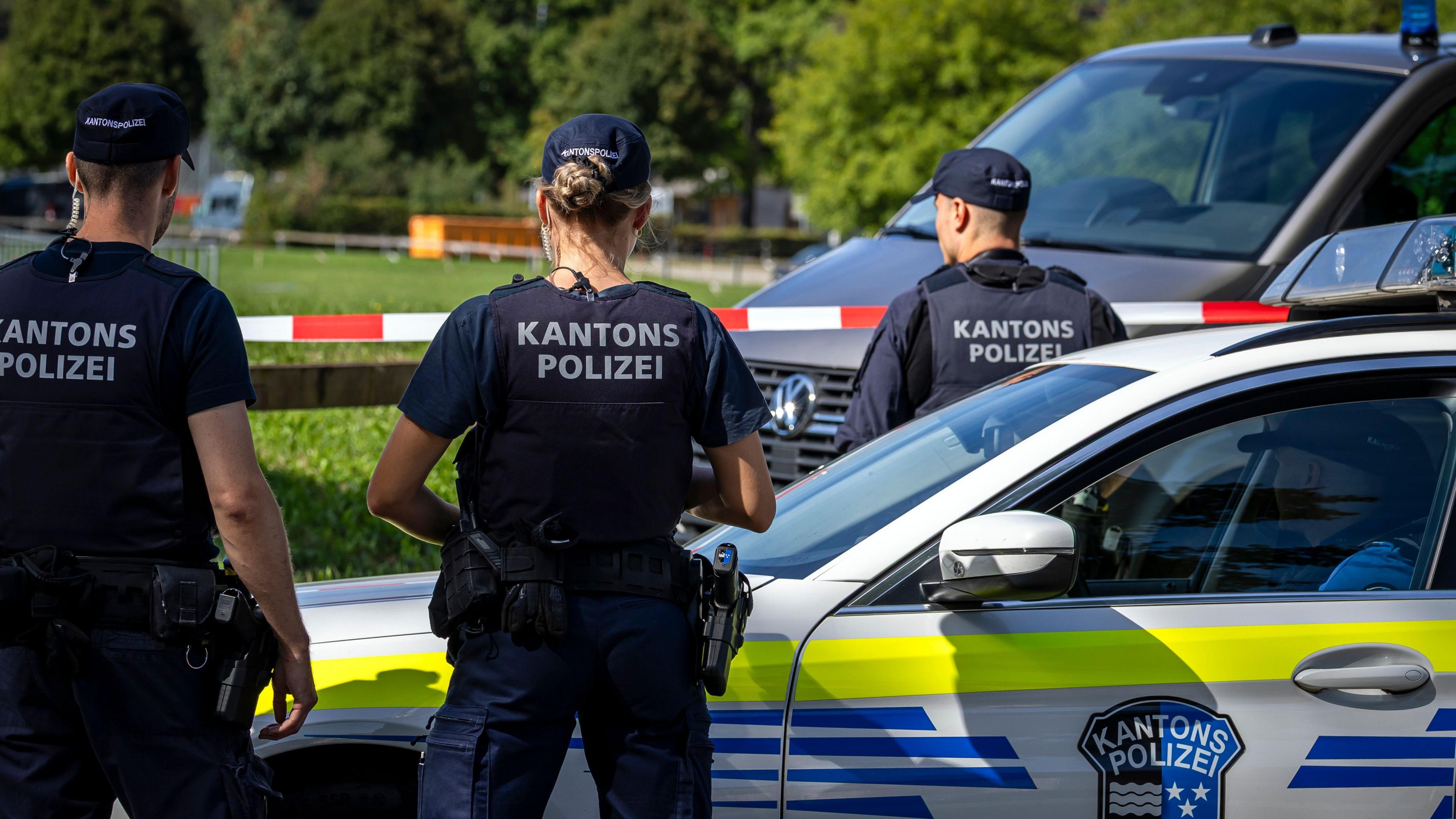
Local police confirmed that roughly 48 Dutch passengers were aboard the vehicle. An initial report from a spokesperson for the General Dutch Association of Travel Companies, representing tour operator OAD, said the number of casualties had not yet been finalized, pending a full investigation. Rescue teams – equipped with multiple helicopters – arrived on scene within minutes, and dozens of ambulances were seen converging on the crash site, according to by‑law news outlets.
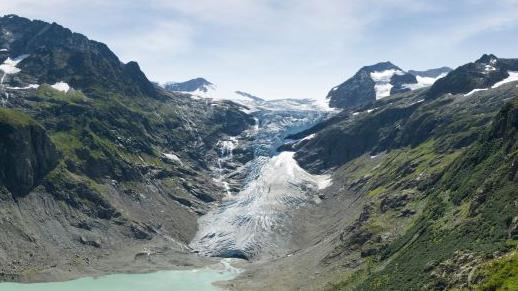
The accident occurs at the gateway to the Swiss National Park, a sprawling Alpine reserve that stretches over 100 km² in the Engadine valley. This fragile ecosystem, increasingly exposed to climate‑driven weather extremes, is a prime example of how tourism infrastructure must adapt to maintain safety and sustainability. The Swiss National Park’s strict protection protocols are now being re‑examined in light of the heightened traffic flows on narrow mountain roads.
From an environmental perspective, this tragedy underscores several pressing challenges:
- Increased visitor numbers – The high volume of tourists in peak season raises traffic density on limited Alpine routes, demanding improved safety infrastructure.
- Climate‑driven hazards – Rapid temperature changes, thawing ice, and increased precipitation patterns can compromise road integrity and vehicle stability.
- Infrastructure resilience – Investments in GPS‑driven warning systems, reinforced road surfaces, and emergency helicopter access are vital to reduce mortality and preserve the park's ecological balance.
- Sustainable transport alternatives – Encouraging electric‑powered tour coaches, ride‑sharing for mountainous routes, and incentives for low‑impact travel modes can mitigate risk while protecting biodiversity.
The Swiss authorities are already reviewing their alpine transportation policy. They plan to introduce stricter speed limits, mandatory safety checks for touring vehicles, and better real‑time weather monitoring along critical Alpine corridors. In the coming months, international associations of travel operators will collaborate on new guidelines that align with climate‑adaptive tourism strategies.
As the region prepares to welcome more tourists, the call for a balanced approach to travel – one that prioritizes human safety and the stewardship of Alpine environments – is louder than ever. The coach crash serves as both a tragic reminder and a catalyst for the urgent integration of climate‑smart practices into mountain touring.