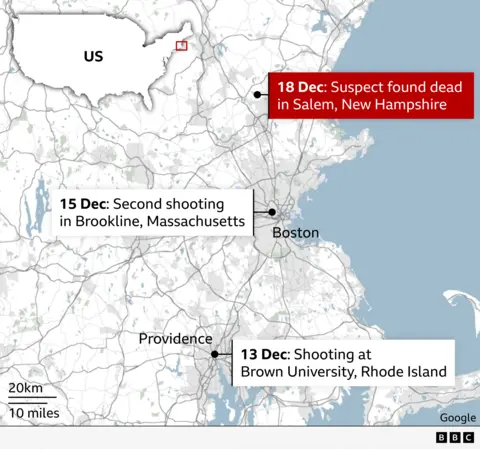
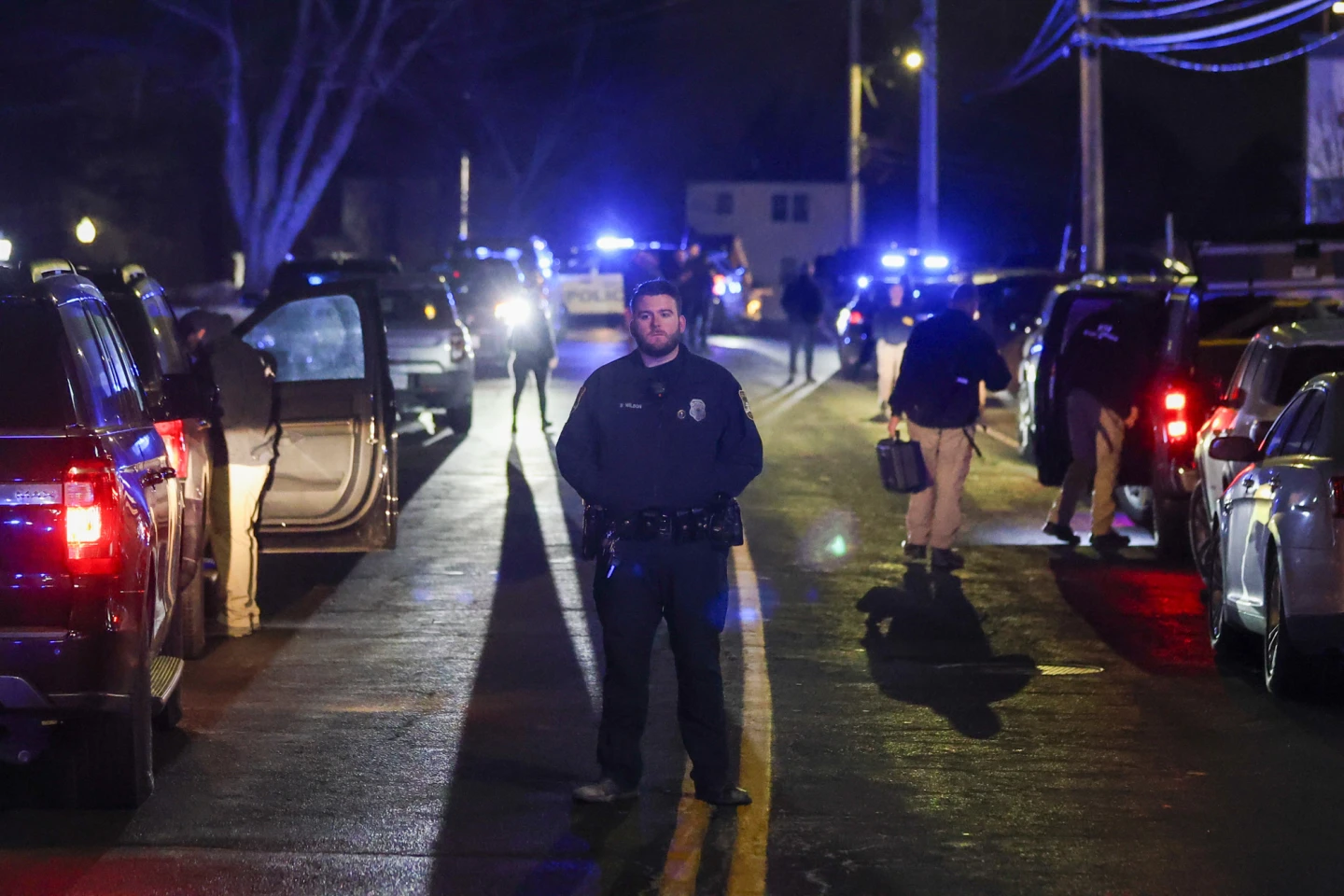
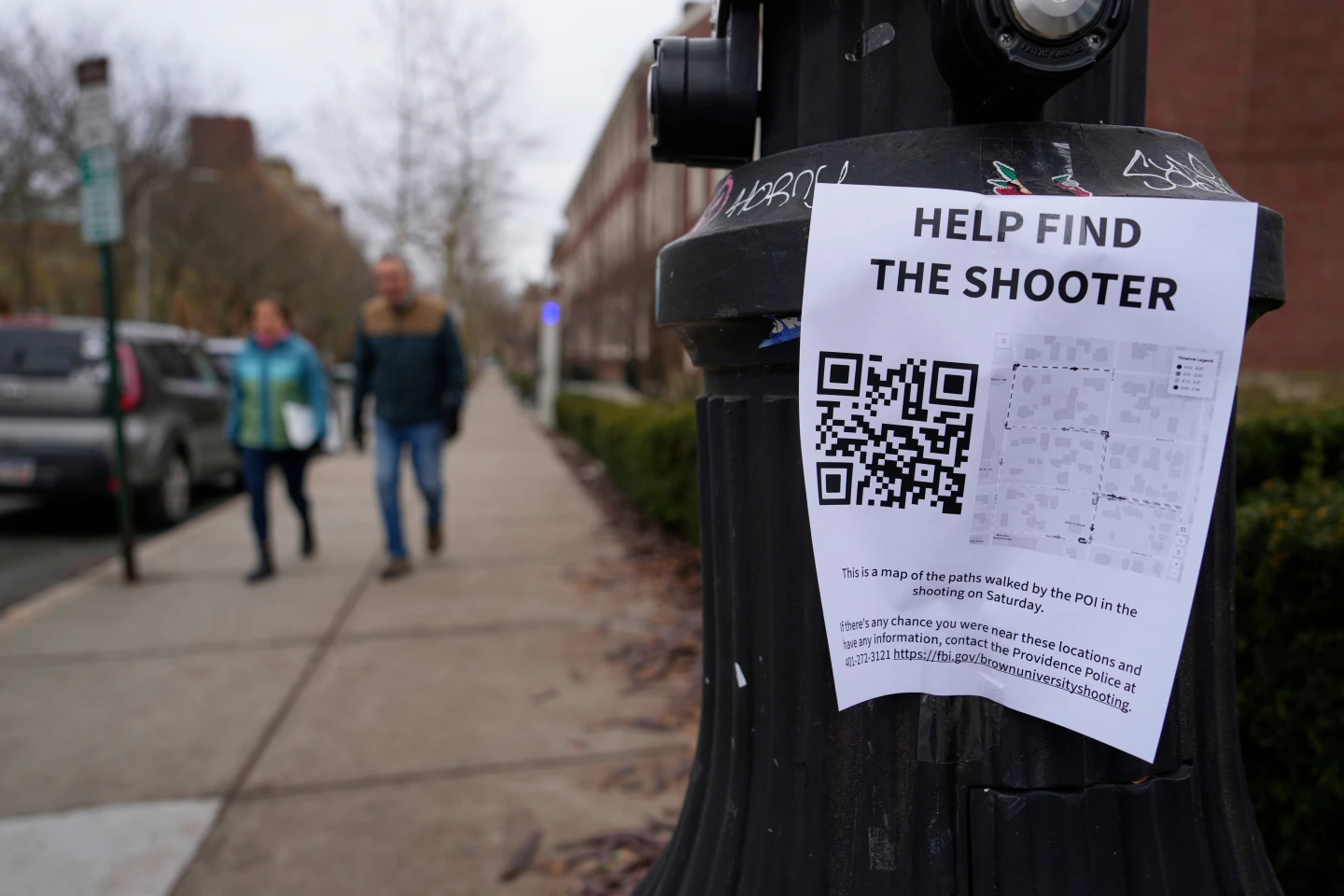
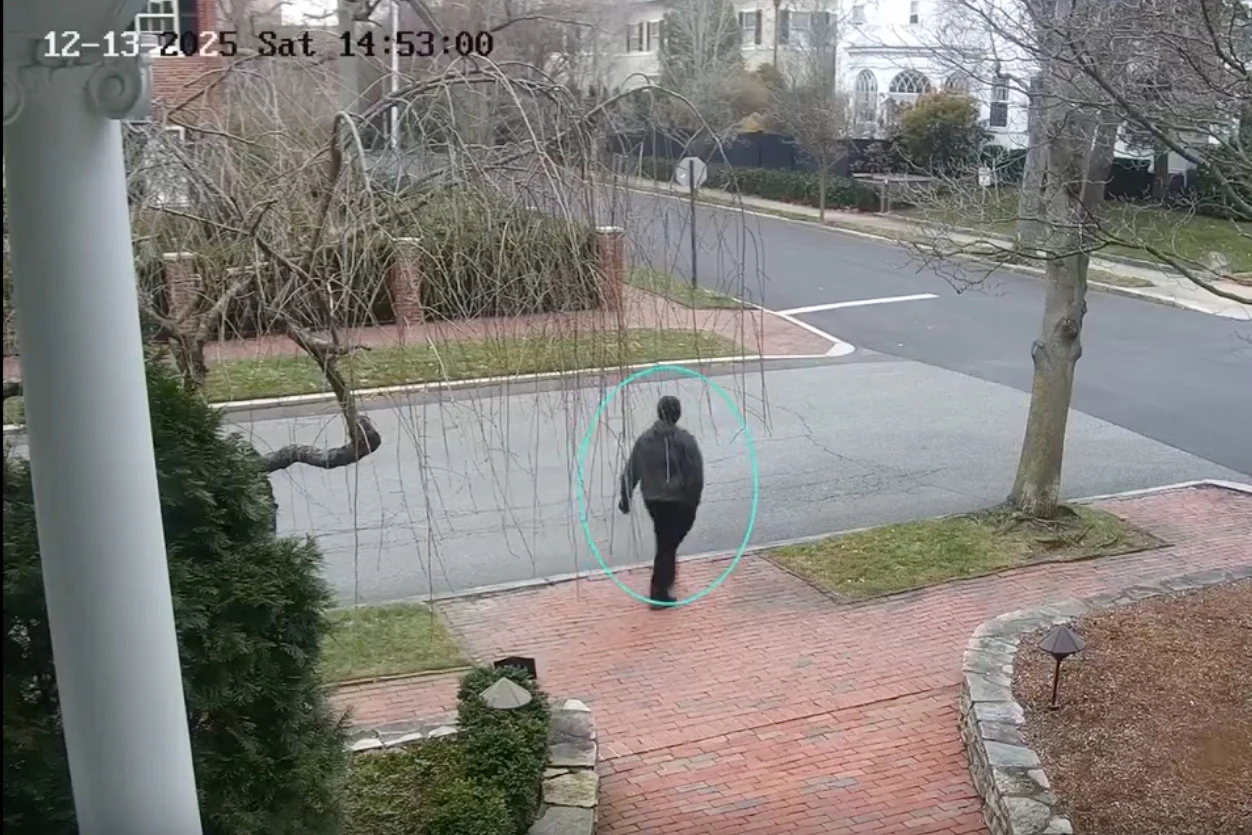
In a pivotal move, the Trump administration has temporarily suspended the diversity immigrant visa program, an initiative designed to increase the number of immigrants from countries with low representation in the U.S. This decision follows a shooting incident involving a Portuguese national who entered the country through this visa pathway.
Each year, the diversity visa program allocates 50,000 green cards via a lottery system for individuals from underrepresented nations. However, recent events have prompted officials to re-evaluate the security measures surrounding this immigration pathway.
After identifying the shooter, Homeland Security Secretary Kristi Noem announced the program's suspension on social media, asserting that individuals like the suspect should not have gained entry to the U.S. Critics argue that this blanket approach could unjustly punish many legal immigrants seeking refuge and better opportunities.
Joseph Edlow, head of U.S. Citizenship and Immigration Services, previously criticized the diversity visa, proposing a merit-based system instead, which he believes would better serve the U.S. economy. This latest action reinforces the administration’s ongoing attempts to tighten immigration standards based on incidents of violence.
Victims’ advocates and immigration reformers contend that the actions taken in response to isolated incidents effectively punish entire communities. They assert that the vetting process is already robust, and curbing legal immigration serves only to exacerbate the fear and stigma surrounding immigrant populations.
The diversity visa program was initially implemented by Congress in 1990 to address imbalances in U.S. immigration. Each year approximately 21 million individuals apply for the lottery, making the chances of winning exceedingly slim. This year, allocations were set at 35,000 for Africa, 15,000 for Asia, and 8,500 for Europe.
Despite the controversy surrounding the suspension, Secretary of State Marco Rubio clarified that it is not a reflection of the character of all visa holders but rather a reconsideration of the vetting process and overall immigration policies. As the debate rages on, immigrant advocacy groups call for a re-examination of these measures to ensure they do not disproportionately affect innocent individuals seeking a new life in the U.S.