In brief
In a significant decision, the U.S. Supreme Court has rejected an appeal from Kim Davis, a former Kentucky court clerk, challenging the ruling that legalized same-sex marriage in 2015. The court, without comment, reinforced its position on marriage equality, emphasizing the importance of protecting constitutional rights. The decision drew praise from advocates who view it as a victory for LGBTQ rights. Davis previously made headlines for refusing to issue marriage licenses to same-sex couples, sparking national controversy and legal battles.
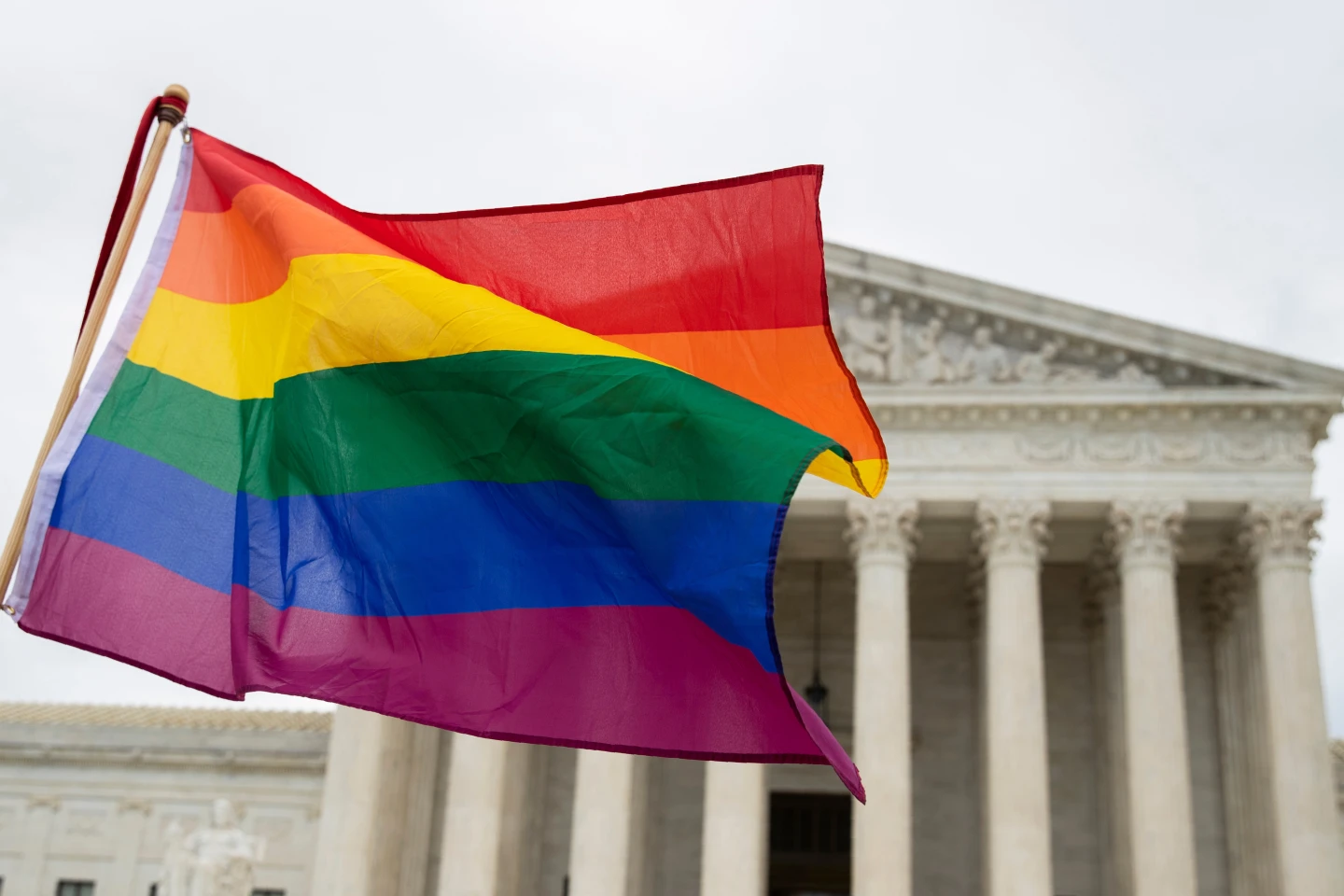
WASHINGTON – In a decisive ruling, the U.S. Supreme Court has declined to hear an appeal that sought to overturn its landmark decision legalizing same-sex marriage nationwide. The justices turned away the appeal from Kim Davis, the former Kentucky court clerk who gained national attention after refusing to issue marriage licenses to same-sex couples following the court's 2015 ruling in Obergefell v. Hodges.
Davis was contesting a lower court order requiring her to pay $360,000 in damages and attorney fees to a couple she denied a marriage license. The Supreme Court’s decision to not intervene reaffirms the constitutionality of same-sex marriage, a significant milestone for LGBTQ rights in the country.
The ruling has elicited a strong response from advocacy groups like the Human Rights Campaign, whose president Kelley Robinson declared that the court demonstrated the consequences of failing to respect the rights of others.
Justice Clarence Thomas had previously suggested a desire to revisit the same-sex marriage ruling, complicating the judicial landscape. However, the current decision illustrates a prevailing commitment to uphold established constitutional rights, particularly regarding personal choice in marriage.
Davis attracted widespread media attention when she insisted that her religious beliefs exempted her from complying with the law, leading to her incarceration for contempt of court. Following national condemnation and legal challenges, she was ultimately released when her deputies began issuing licenses on her behalf but did so without her name.
The Supreme Court continues to navigate heated cultural issues within the current legal framework, demonstrating the ongoing relevance of its previous rulings. As societal norms shift, this ruling marks a reaffirmation of the rights and freedoms a significant portion of the American population has come to regard as fundamental.