In brief
Following a devastating plane crash involving a UPS cargo aircraft at its Louisville hub, which resulted in the loss of 14 lives, investigators are gathering evidence to determine the cause. A cockpit alarm sounded moments before the crash, and authorities are examining video footage for clues. Meanwhile, a federal lawsuit alleges negligence by UPS and others connected to the aircraft.
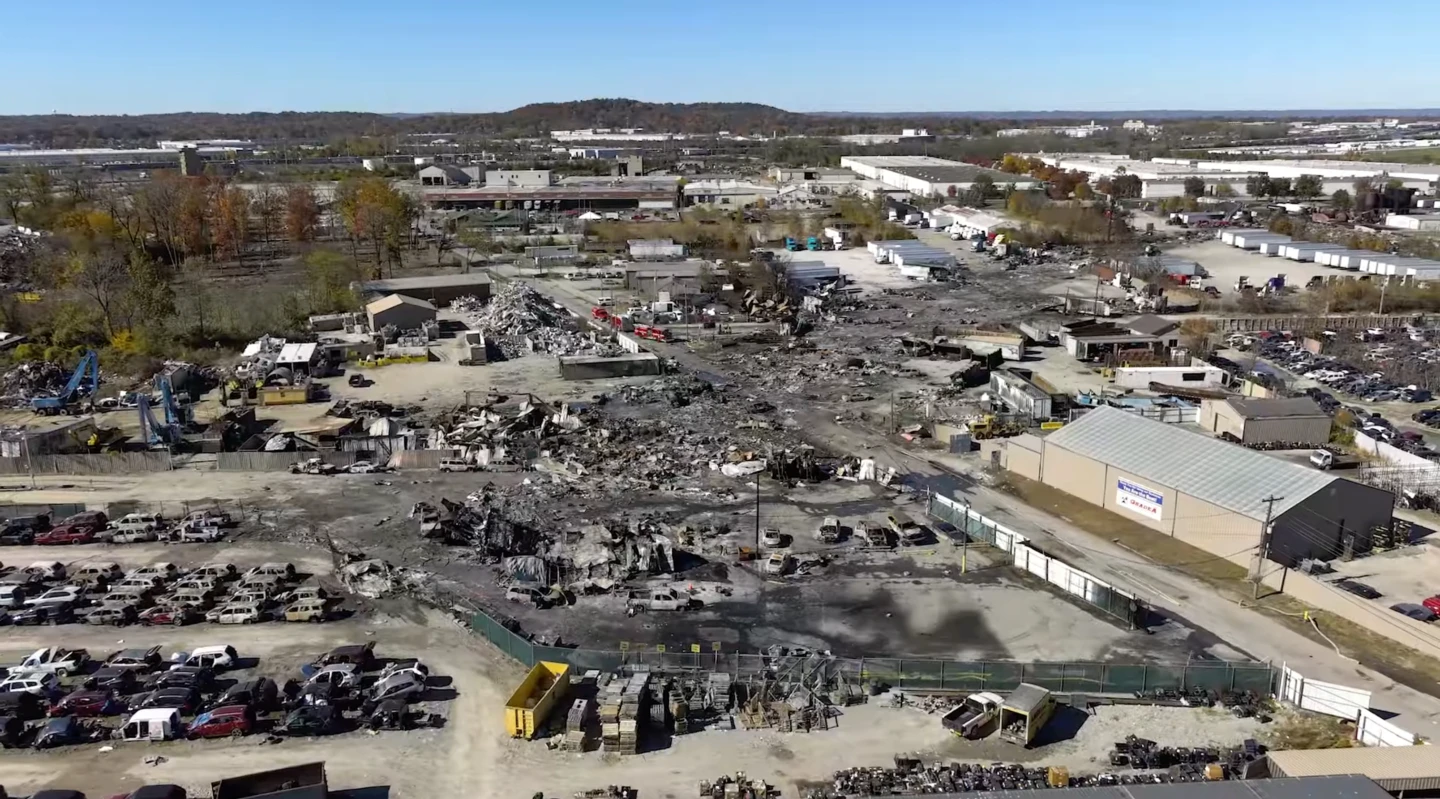
LOUISVILLE, Ky. — A UPS cargo plane crashed shortly after taking off from the UPS Worldport hub in Louisville, Kentucky, leaving 14 individuals dead, including all three pilots aboard. As investigators delve into the cause of the incident, many questions remain, particularly surrounding a bell alarm that rang in the cockpit moments before the aircraft took flight.
The National Transportation Safety Board (NTSB) reported that the aircraft, an MD-11, experienced a left-wing fire and lost an engine while attempting to ascend. Preliminary data indicates the plane only reached about 100 feet above ground level before tragically crashing back down.
In a press conference, NTSB member Todd Inman indicated they captured cockpit communications, including the critical alarm sound that occurred approximately 37 seconds post-takeoff thrust. The exact reason for the alarm is still under consideration as the investigation continues.
Former federal crash investigator Jeff Guzzetti suggested the alarm was likely signaling an engine fire. He emphasized the critical phase of the takeoff during which the crew would have considered aborting, stating that they were likely beyond their decision speed for a safe runway stop.
Investigators are collecting various video footages showcasing the crash from multiple angles, while the analysis of recovery components, including fan blades, begins. UPS confirmed there were no recent maintenance actions on the aircraft prior to the flight.
The Louisville hub, known as UPS's largest, employs over 20,000 individuals and conducts around 300 flights daily. After the crash, operations resumed for essential services, although the hub remains in the spotlight due to the tragedy.
Further complicating matters, a federal lawsuit was filed against UPS just days after the disaster by a local automotive shop and a resident who required hospital treatment due to smoke inhalation from the fire. The lawsuit alleges negligence on the part of UPS and the aircraft's manufacturers, underscoring the urgent scrutiny of safety protocols as investigations continue.