As the November 1 deadline approaches for the Supplemental Nutrition Assistance Program (SNAP) benefits, officials in Louisiana, Vermont, and Virginia have expressed commitments to ensure food aid continues flowing even amid the potential federal government shutdown affecting many Americans.
SNAP, which supports approximately one in eight Americans with grocery purchasing, faces uncertainty as federal funding appears poised to be halted. Many state leaders are exploring ways to utilize state resources to support the vital program; however, a lack of concrete plans and technical challenges have emerged.
Virginia’s Governor Glenn Youngkin declared a state of emergency to facilitate food benefits for SNAP recipients, though specifics regarding delivery remain pending. Similarly, Louisiana Governor Jeff Landry emphasized prioritizing support for seniors, individuals with disabilities, and children, but his plan lacks clear details.
Vermont lawmakers have indicated intentions of ensuring state coverage for both food and heating assistance benefits at risk, while California’s Governor Gavin Newsom announced efforts to deploy the National Guard to support food banks across the state.
As various states, including Alaska and New Mexico, weigh their options for supporting residents, concerns about federal regulations hinder many proposed solutions. Currently, the USDA has warned states not to send out card vendor information due to uncertainties surrounding the program's status this November.
The stakes are high as the average SNAP benefit is roughly $187 per person, directly assisting low-income households. Without SNAP, these families could face difficult decisions regarding bills and essentials as they navigate potential food shortages.
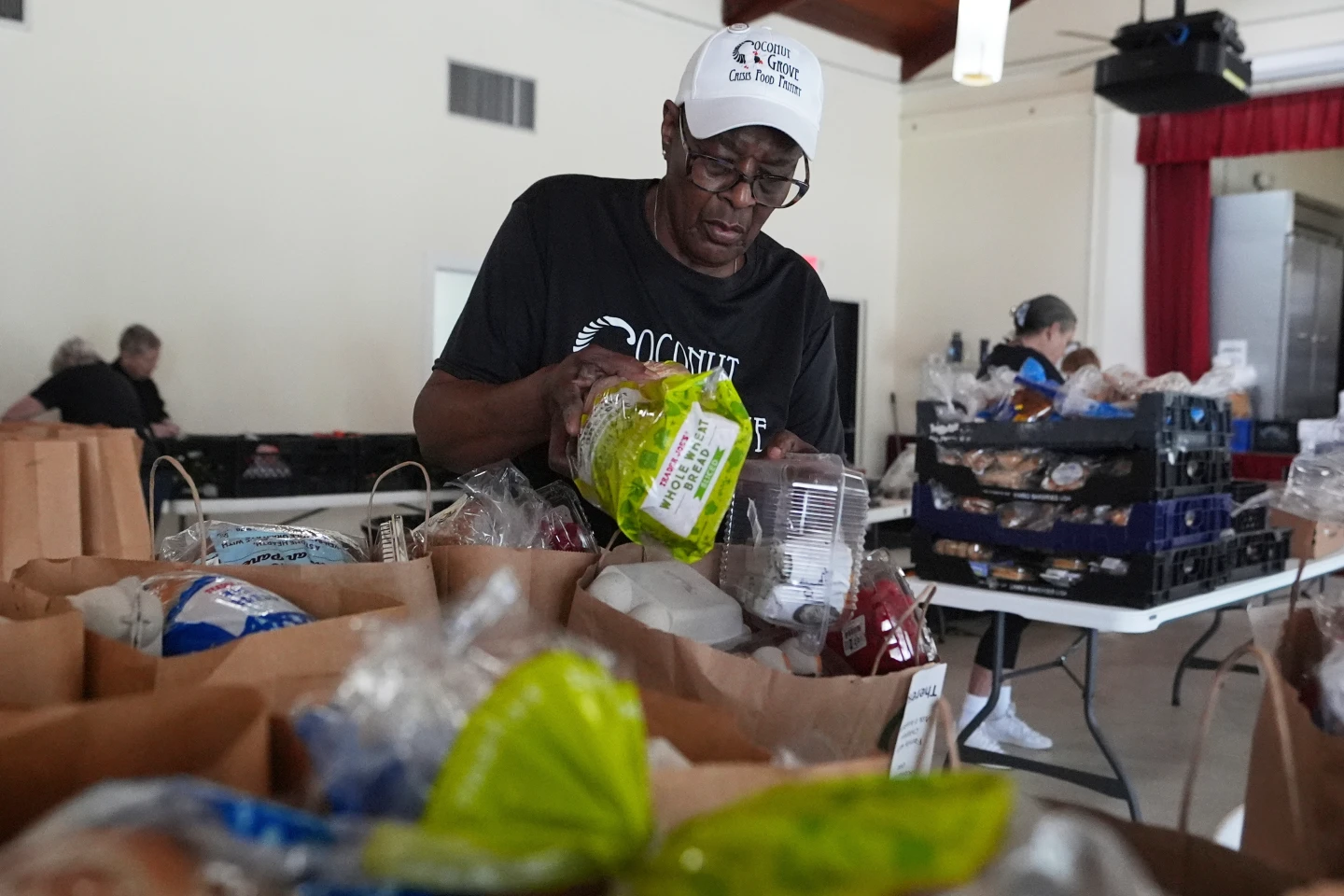
With the urgency to replenish food supplies through options like state-led initiatives and food pantries, the situation reflects a growing crisis that may hit the working class disproportionately hard. As demands on food banks grow, organizations are bracing for an influx of individuals requiring assistance.
Ultimately, as the clock ticks down toward November 1, the pressure mounts on Congress and President Biden to reach a resolution to safeguard critical federal assistance, leaving millions reliant on food programs awaiting clarity on their future.