With midterm elections on the horizon, President Trump's recent call urging Republican state legislatures to redraw U.S. House districts has sparked a fierce political contest. This unusual push for mid-decade redistricting is not only prompting Republican-led states to revise maps but also igniting responses from Democratic-controlled legislatures across the nation, with both sides seeking to manipulate boundaries in their favor.
Key State Strategies
In Texas, Governor Greg Abbott has enacted a new congressional map that could potentially add five Republican seats, while legal challenges loom over the changes. California, in a counter-move, has proposed a map that could allow Democrats to gain five seats by altering districts previously shaped by an independent citizens commission.
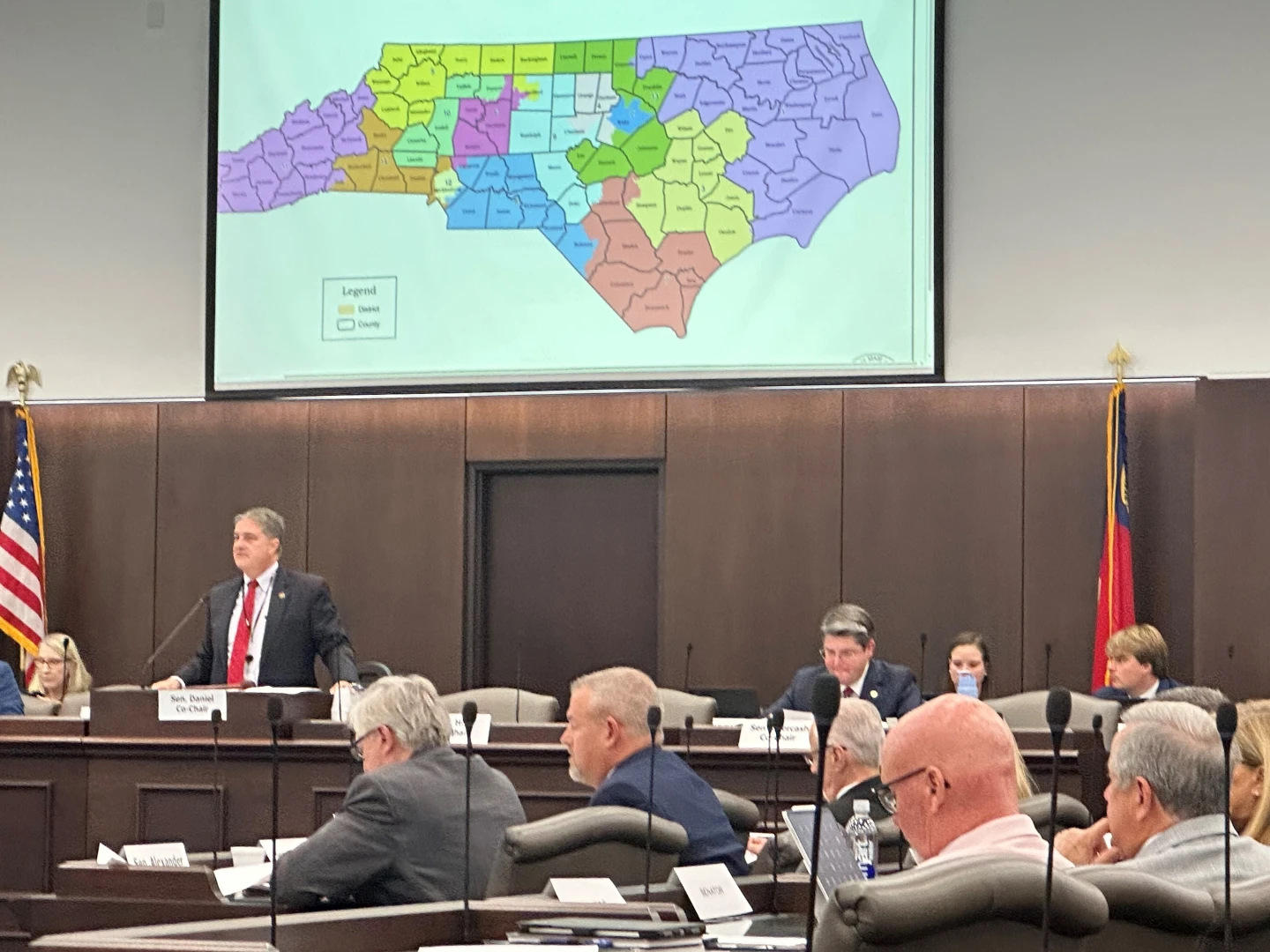
Meanwhile, Missouri's Republican Governor Mike Kehoe has adjusted House districts to strengthen his party's hold, while Democrats in North Carolina anticipate a similar redistricting process that could yield another Republican seat in the process.
States Moving Forward with Redistricting
States like Indiana and Virginia are actively convening for special legislative sessions focused on redistricting, while in Florida, a special committee has been established to oversee the potential changes. Other states such as Ohio and Kansas are laying the groundwork for their own redistricting efforts ahead of the election.
As both major parties navigate this evolving landscape, the consequences of this redistricting frenzy will play a crucial role in shaping the political climate of the United States for years to come.