In brief
Rodrigo Duterte's recent arrest has sparked a complex legal debate regarding the International Criminal Court's jurisdiction, following allegations of humanity crimes tied to his controversial drug campaign.
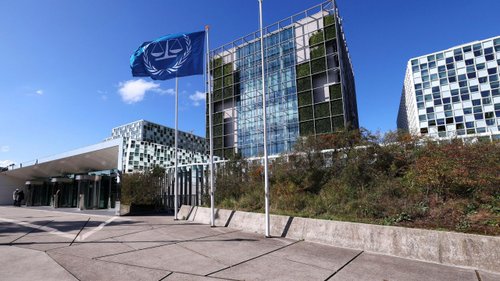
Former President Rodrigo Duterte of the Philippines was arrested on Tuesday following a recent secret warrant issued by the International Criminal Court (ICC), which accuses him of crimes against humanity in connection with his rigorous anti-drug campaign. This significant development underscores the ICC's ongoing examination of jurisdictional power addressing accusations of war crimes and genocides that extends beyond national borders.The arrest arrives amidst escalating scrutiny of the ICC's authority and the complicated legal landscape surrounding Duterte’s withdrawal from the Rome Statute—a treaty signed by 125 countries that outlines the court’s jurisdiction. The prosecutor's office had previously deemed Duterte’s actions during his tenure as president, particularly his aggressive anti-drug crackdowns, as worthy of a deep investigation. Rights organizations claim that this campaign resulted in approximately 30,000 deaths, many of which involved extrajudicial killings, often targeting individuals unrelated to the drug trade, including minors.Though the Philippines officially exited the court in March 2019, the ICC argues that it retains jurisdiction over any incidents that occurred while the country was still a member. This assertion is contested by Duterte's legal team, who has labeled the arrest as unlawful, emphasizing their stance on jurisdiction—the legal premise that underlies the case's validity.As both the ICC and Duterte's representatives prepare for potential legal confrontations, the outcome will set a precedent regarding the court's reach into nations that have actively opted out of its oversight mechanisms, while also shining a light on the pressing issues of human rights abuses outstanding from strict governmental measures.