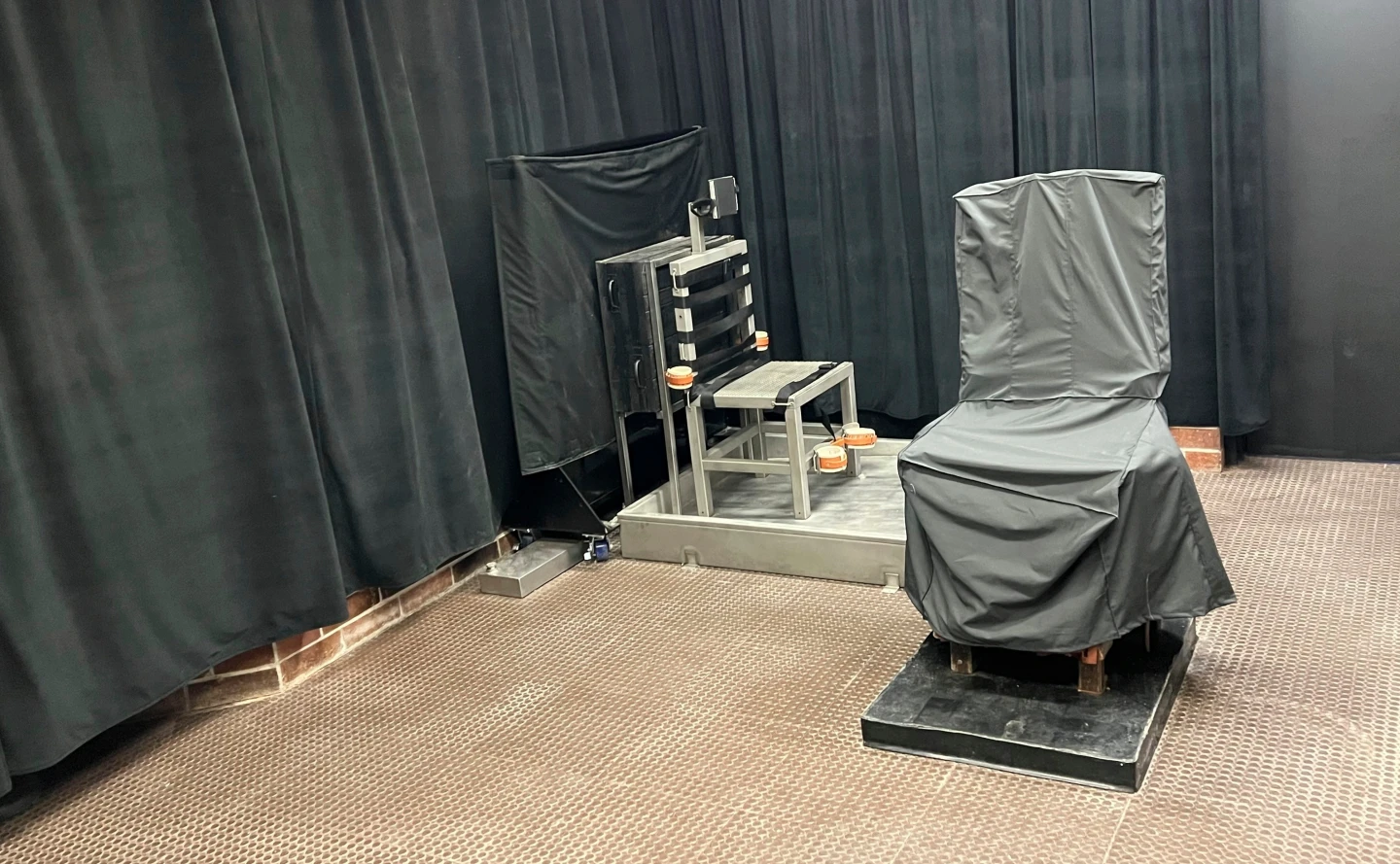
COLUMBIA, S.C. (Echosphere) — Stephen Bryant, a man on death row for horrific murders in South Carolina, has decisively chosen the firing squad as his method of execution, scheduled for November 14. This marks him as the third inmate to face this method this year.
Bryant was convicted of the violent killing of Willard “TJ” Tietjen, during which he inflicted torture on the victim, even writing taunts on the walls with the victim’s blood. In addition to Tietjen’s murder, he has been linked to the killings of two others, making his case one of significant public interest and legal scrutiny.
The controversial choice of firing squad as a means of execution has prompted a potential court challenge following concerns raised from previous executions where condemned individuals reportedly experienced prolonged suffering. Just weeks prior, another inmate, Mikal Mahdi, underwent a firing squad execution that raised alarms regarding the accuracy and humanity of this method, suggesting that he may not have died as swiftly as intended.
Legal representatives argue about the standards surrounding execution methods, with an increasing scrutiny on the marksmen's practices. Officials assert that the execution process must be as efficient as regulated by law, claiming it is sufficient if bullets strike the heart without needing to impact it critically.
The reintroduction of firing squads in South Carolina followed a 13-year hiatus in executions, primarily due to the state’s challenges in procuring lethal injection drugs. Executions resumed in September 2024 after a lengthy pause, and Bryant's execution will mark the 50th execution in South Carolina since the death penalty's reinstatement.
Prosecutors highlighted Bryant’s violent history, noting the chilling pattern of his crimes. He lured victims under false pretenses and killed them during mundane activities, reflecting a degree of premeditation and brutality that has horrified many in the community.
As the date approaches, the debate surrounding the morality and efficiency of execution methods in the United States deepens, particularly in states like South Carolina, where new methods are being trialed under public and legal examination.