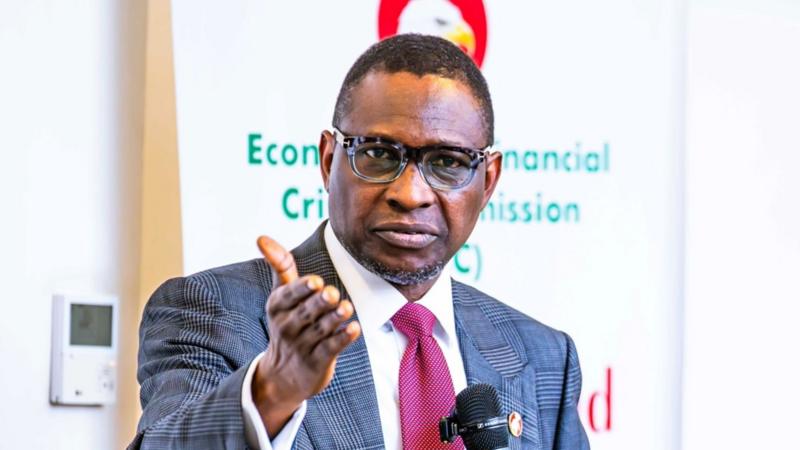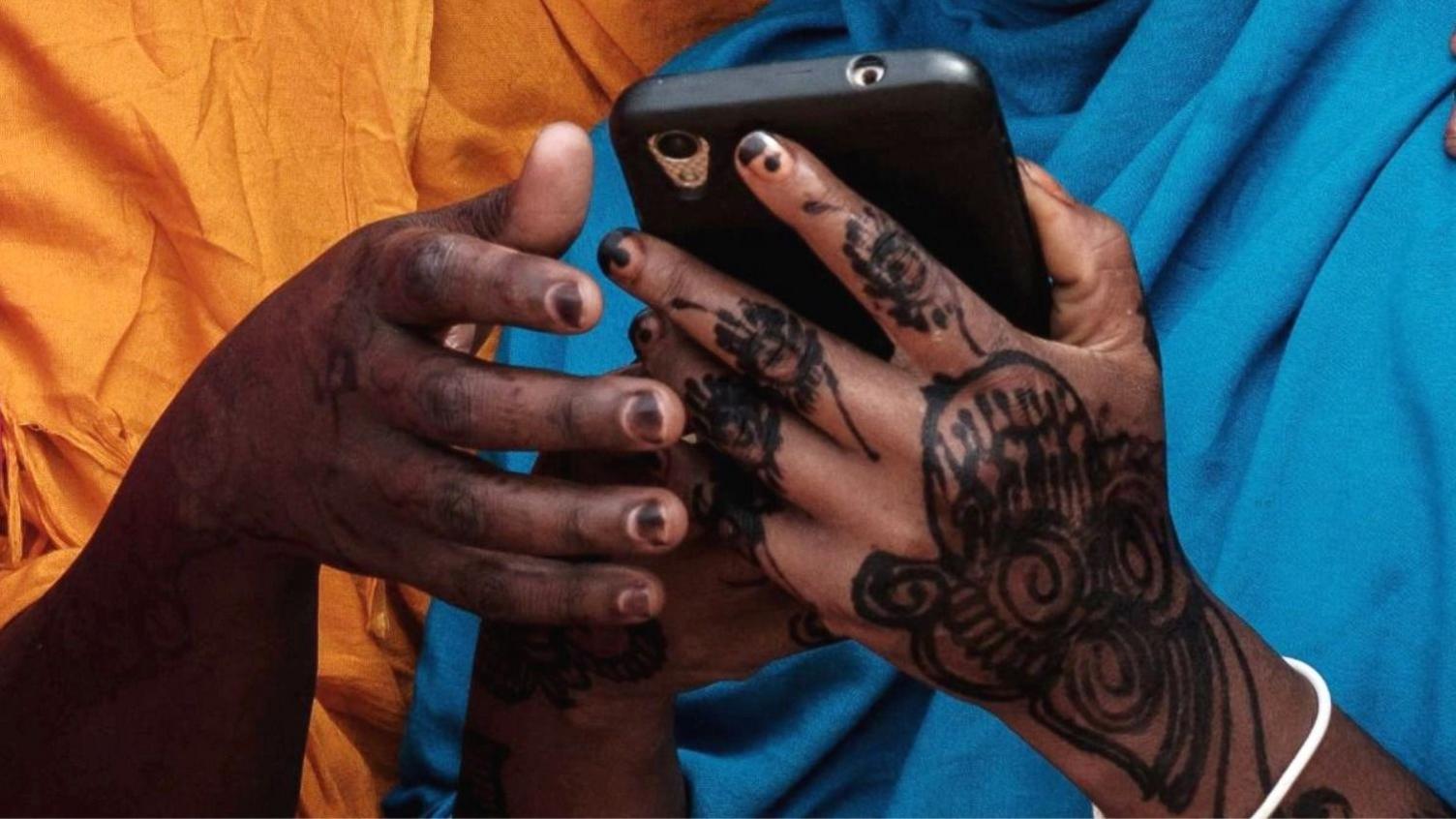
Somalia’s Communications Minister Ahmed Osman Dirie has raised a red flag over WhatsApp’s planned feature that would let users chat via usernames rather than phone numbers. He argues that removing the phone‑number link could make it harder to trace and counter militants, especially in a country fighting al‑Shabab for over two decades.
WhatsApp, owned by Meta, says it still requires a phone number to register and has built safeguards against fraud. It also states the feature is not yet live, but says users could alter or remove a username when they wish.
The ministry stresses Somalia’s economy relies heavily on mobile money transactions, and unverified, untraceable usernames could increase financial scams and expose citizens to cyber‑fraud.
Al‑Shabab militants have used WhatsApp for propaganda, extortion and operational coordination, and in 2024 the Somali intelligence agency shut down 20 groups suspected of being run by the group. It also disabled services for about 2,500 phone numbers linked to them.
India, the world’s largest WhatsApp market, has responded similarly, calling for a pause until concerns are addressed. Meta’s response includes claims of built‑in protections and emphasis on privacy, while ministries demand evidence that phone‑number traceability is preserved.
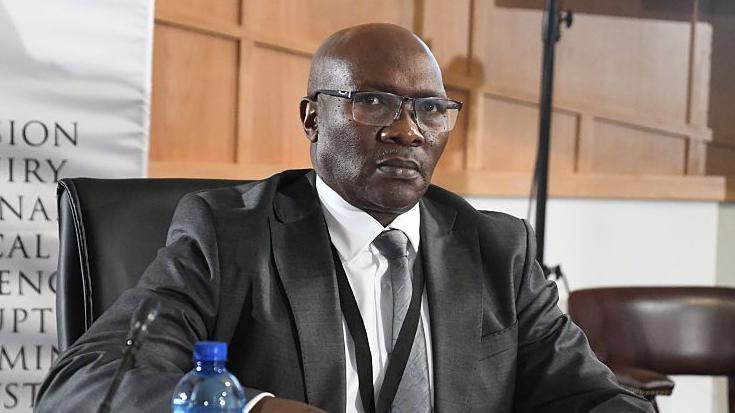
Security expert George Musamali notes the tension between privacy and security. He argues governments may be “jumping the gun” but underlines the need for a balanced approach that protects citizens without compromising the ability to categorize criminal activity.
Somalia’s request remains in consultation, hoping for assurances that the username feature will not undermine the country’s efforts to keep its population safe while still engaging the global mobile ecosystem.