In brief
The United States’ agreement with Riyadh to supply civilian nuclear equipment marks a break from earlier policy. While the deal could help Saudi Arabia reduce oil dependence and lower emissions through nuclear power, experts warn it may foster a regional arms race and bypass strict non‑proliferation safeguards. The pact also sidesteps Israel‑Israel negotiations, sparking debate over geopolitical fallout. In a time of escalating Middle‑East tensions, the move illustrates the tension between climate ambition and security constraints.
The Trump administration’s nuclear agreement with Saudi Arabia reversed a year‑long posture toward a key Middle East ally,
Past U.S. leaders insisted that Saudi Arabia normalise ties with Israel before receiving American nuclear technology for civil programmes. President Donald Trump delivered on Saudi demands without seeking reciprocal concessions for Israel, a move criticized for possibly sparking a proliferation‑led arms race in the region. The new pact signals a strategic pivot: prioritising economic influence against competitors like China, while still engaging Gulf allies amid war‑time tensions with Iran.
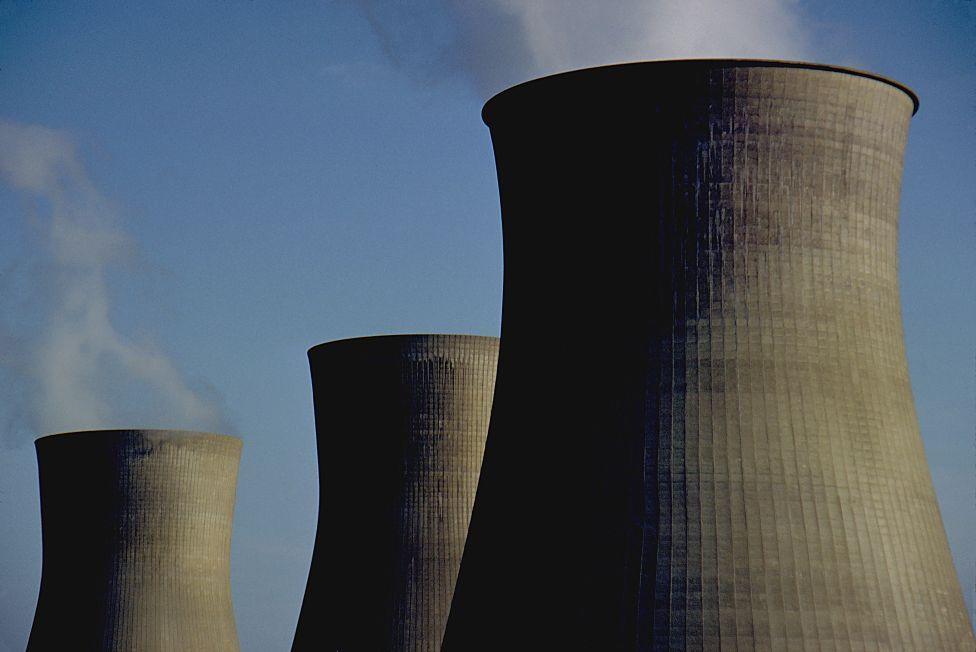
The deal offers Saudi Arabia two key gains: diversification of its energy mix and a cleaner, potentially more reliable source of electricity. With oil markets volatile and constrained by future climate goals, nuclear power presents a “self‑contained” alternative, a point highlighted by energy expert Christopher Russo. However, the accord’s omission of strict International Atomic Energy Agency (IAEA) inspections and limited enforcement measures raises the question: could a civilian program evolve into a military one?
Analysts like Yusuf Can of Amena Strategies argue that the United States is signalling to Gulf states that it will not force them to partner with China for nuclear capabilities. Yet Israeli political leaders and U.S. Congress Democrats warn the agreement could fuel an arms race across the Middle East, undermining regional stability.
In a climate context, the pact could help Saudi Arabia meet soaring electricity demand and reduce fossil‑fuel reliance, aligning with global decarbonisation targets. Yet the environmental benefit hinges on rigorous safety practices and transparent non‑proliferation oversight. Without robust governance, the nuclear pathway risks becoming a geopolitical flashpoint that eclipses its environmental upside.
The debate ahead will balance the urgency of climate action—finding low‑carbon energy alternatives—against the complex security dynamics of the Middle East, where nuclear ambitions intersect with regional rivalries and international alliances.