In brief
Experts attribute the catastrophic wildfires in South Korea to a combination of strong winds, dry land, and vulnerable pine forests. As fires rage across Southeast regions, the mortality rate has risen, highlighting challenges faced by an aging population and raising concerns about climate impacts.
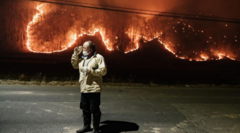
As the flames continue to engulf the southeastern regions of South Korea, the nation is grappling with the worst wildfires in its recorded history. Spanning an area of approximately 35,810 hectares—nearly half the size of New York City—these wildfires have claimed the lives of 27 individuals and forced tens of thousands into evacuation. The blazes, purportedly ignited by human activity, have been exacerbated by an alarming combination of strong winds and a drought-stricken terrain filled with resinous pine trees, which act as fuel for the fire.Experts, including forest disaster specialist Lee Byung-doo from the National Institute of Forest Science, emphasize that pine trees are particularly hazardous under such conditions. The resin contained in these trees accelerates fire spread, leading to what is termed "crown fires" that can overtake entire forests quickly. Andong, a city heavily impacted by this disaster, was previously renowned for its serene pine forests—now transformed into a deadly landscape.Unlike neighboring nations such as China and North Korea, South Korea has made strides in expanding its forest cover in recent years. However, this increased vegetation, coupled with a dry winter and higher than usual spring temperatures reaching over 20°C (68°F), has created a perfect storm for wildfires. Climate Central's research indicates that such temperatures are becoming significantly more probable due to climate change.The fires are compounded by dense tree coverage in affected areas, making efforts to combat the flames exceedingly difficult. The firefighting process has already seen casualties, including the recent accident claiming the life of a 73-year-old pilot. This disaster disproportionately impacts South Korea's elderly population, which comprises one in five citizens aged 65 and above. The location, North Gyeongsang province, is the second oldest in the country, presenting challenges to timely evacuations for aged residents with mobility issues. Shockingly, a tragic incident occurred when three residents of an elderly care facility lost their lives during the blaze after their vehicle was engulfed in flames. The local government has faced criticism, as many evacuees, unprepared and caught off guard by the speed of the fires, have lost their homes, with one resident expressing the community's distress over the lost historical and emotional significance of their possessions.With significant cultural relics, including temples dating back over a millennium, reduced to ashes, South Korea now faces both an environmental crisis and a deep loss of heritage. As the government ramps up relief efforts, concerns grow regarding disaster preparedness for vulnerable populations in the wake of this climate-driven catastrophe.