In brief
In a new documentary, Beatles '64, Paul McCartney suggests that the timing of their US debut contributed to their explosive success.
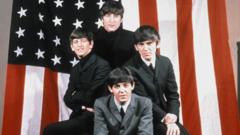
The arrival of The Beatles in the U.S. not only coincided with a national tragedy but also invigorated the country during a time of mourning, highlighting the profound impact of cultural phenomena during political upheavals. When The Beatles touched down at New York's newly renamed John F. Kennedy International Airport on February 7, 1964, the nation was still reeling from the recent assassination of President John F. Kennedy, just 70 days earlier. McCartney’s recent comments in the documentary "Beatles '64" point to this timing as significant, suggesting that America might have been primed for a joyous distraction amidst its sorrow.Kennedy’s assassination on November 22, 1963, marked a turning point in American history and culture. Dr. Patrick Andelic, an assistant professor of American History at Northumbria University, notes that JFK was regarded as the first “TV president” and his death resonated deeply due to the fact that the vast majority of American families were tuning into their screens for news. Just as Kennedy captivated the youth through his charm, so too did The Beatles with their vivacity and spirit.In the UK, The Beatles had already achieved remarkable fame before setting foot in America. They’d released two number one albums in 1963, and a breakout performance at the Royal Variety Show catapulted them to national stardom. Despite some British artists attempting to cross the Atlantic and failing, Brian Epstein, their manager, was determined to break the norm.The hitting point for The Beatles' American allure was their single "I Want to Hold Your Hand," which premiered just after Kennedy's tragic death. This track not only topped the charts but its subsequent success primed thousands of fans for the band's arrival in the U.S. On the other side of the coin, it was the band’s electrifying performances on “The Ed Sullivan Show” that truly solidified their presence in America, drawing an audience of over 70 million viewers. While some argue that the national aura of grief paved the way for The Beatles’ overwhelming success, Dr. Holly Tessler of the University of Liverpool urges caution against oversimplifying the narrative. She insists that while the assassination may have created a yearning for joy, the preparation and strategy behind securing performances were key factors in their breakout success.In the end, while the societal conditions born from JFK’s assassination certainly created a unique backdrop, the meteoric rise of The Beatles was contingent upon a series of strategic decisions and their undeniable musical talent. As Beatlemania swept across the nation, American youth found solace and excitement in the charming antics of the Fab Four, highlighting music's powerful role in healing and uniting a fractured society.