In brief
In a harrowing account, women imprisoned for their activism reveal their struggles, resilience, and unyielding spirit.
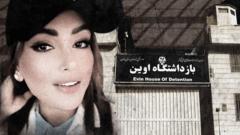
Crouched in a dim, windowless cell, Nasim could hear the sounds of anguish and brutality echoing off the walls of Evin prison—where the cries of fellow prisoners being tortured served as a morbid alarm for her fate. "Can you hear that beating? Get ready, you’re next," the guard warned, as she faced daily interrogations that lasted up to 12 hours, accompanied by threats of execution. For four agonizing months, this 36-year-old hairdresser was held in solitary confinement, believing she would perish unnoticed amidst a system notorious for its cruelty and oppression.Using credible sources, we piece together the harrowing lives of Nasim and other women enduring similar fates within Iran’s infamous prison. Most of them were arrested amid the "Woman, Life, Freedom" protests ignited by the tragic death of 22-year-old Mahsa Amini in September 2022, who died in custody after being detained for allegedly breaking hijab laws. While many have shared their despair after release, the detailed accounts of life within Evin are rare.Nasim’s surroundings embody a complex paradox where brutalities coexist with resilience—many inmates still fight for women's rights while subverting oppressive constraints. Despite living in trauma, some women continue to find moments to nurture hope; one inmate even became pregnant after rare private visits with her husband.Following her arrest in April 2023, Nasim faced daily violence and intense psychological pressure, especially after witnessing the death of a close friend during state crackdowns. Physical scars were evident when she emerged from isolation, but she survived by dedicating her thoughts to those lost amid the protests. Another prisoner, Rezvaneh, shared a similar fate in 2023, taken alongside her husband under dire threats. The conditions at Evin prison are brutal; women are housed in cramped quarters, leading to both friction and powerful solidarity among the inmates. The constant struggle against the oppressive environment fosters a sense of sisterhood among them. Resources are scarce, and the food is insufficient and costly, which often leads them to devise creative methods to sustain themselves. The prison does offer limited socializing opportunities, and the small outside yard provides a much-needed escape, albeit minimal. Through it all, the women find joy in artistic expression; one journalist paints vibrant murals on bedsheets, hoping to uplift spirits despite the oppressive atmosphere.However, the struggle for basic medical care remains daunting. Inmate and human rights activist Narges Mohammadi recently fought tirelessly for necessary treatment for life-threatening conditions. It was through collective protest, including hunger strikes, that she gained limited medical attention. Within these walls, the women maintain a spirit of protest, defiantly refusing to wear the mandated hijabs while fighting for their rights in small ways. Prison authorities have faced collective resistance, with protests emerging during significant moments, such as on the anniversary of Amini's death, demonstrating unfaltering solidarity in the face of oppression.Rezvaneh, who recently gave birth to a daughter under these dismal conditions, experiences a juxtaposition of joy and fear—her husband remains incarcerated as she contemplates her uncertain future. Her struggle symbolizes the resilience of women who refuse to be silenced and instead draw strength from one another, believing in a clearer future ahead.As the plight of these women reflects a broader struggle against systemic oppression, their resilience shines as a beacon of hope, reminding us that even in the darkest corners of despair, the spirit to fight for one’s beliefs remains unbroken.