In brief
As Vistara concludes its operations, the aviation industry braces for changes, with experts cautious about the service quality and operational challenges that may arise from the merger with Air India.
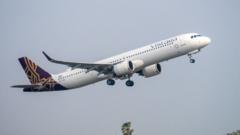
Vistara, India's luxury full-service airline, marks the end of its journey with its final flight on Monday. In a move aimed at consolidating operations and boosting market competitiveness, Vistara will fully integrate into Tata-owned Air India, following nine years of service. The two airlines’ merger is structured to create a single entity with a more extensive network and fleet capabilities.The transition involves a complete takeover of Vistara's operations, which includes customer service kiosks and ticketing systems. The overhaul aims to help migrate current Vistara passengers to Air India while retaining key aspects of the in-flight experience renowned for its quality. An Air India spokesperson noted that improvements in service elements aim to combine the strengths of both brands during the merger process.Despite this promise, the unification efforts have faced criticism. Branding and aviation specialists express concerns about the potential drop in service levels, as Vistara was celebrated for its top-tier experiences in food, cabin comfort, and service. The departure of the Vistara brand has raised eyebrows among its loyal customers and industry analysts alike. Mark Martin, an aviation analyst, pointed out that merging to eliminate losses is not a conventional strategy and may not yield the desired power in the industry.Both Vistara and Air India have seen losses decrease significantly over the past year, but the merger has not been devoid of issues. There have been reports of mass flight cancellations due to pilot shortages and crew unrest over new salary structures. Customers have documented complaints about Air India's service standards, further complicating the merger.The Tata Group is investing $400 million into upgrading older aircraft and has placed major orders for new Airbus and Boeing planes. However, this ambitious plan faces hurdles, as experts highlight the complex task of melding two distinct airline cultures and service formats. Aviation analysts urge that communication and operational coherence will be paramount during the initial phases of integration.Harish Bijoor, a brand strategist, lamented the loss of Vistara, emphasizing that replicating its exceptional standards poses a formidable challenge for Air India. Some experts suggest that maintaining Vistara as a separate brand for a significant period might have been a more effective approach to uplift Air India’s performance without losing Vistara’s unique customer-centric ethos.Looking ahead, the unified Air India group, which includes Air India Express following its merger with Air Asia India, should enhance overall competitiveness within the Indian aviation sector, particularly against industry leader Indigo. Nonetheless, the future of Air India filling the premium service gap left by Vistara remains uncertain, as consumer sentiments may still influence perceptions of service quality, rooted in past performance. The lessons from Vistara's closure serve as a call for the aviation sector to adapt and innovate to secure a sustainable future.