In brief
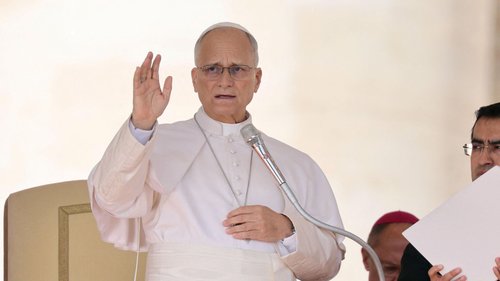
The recent election of Cardinal Robert Francis Prevost as Pope Leo XIV signifies a deliberate homage to history and a commitment to engage with modern societal challenges, particularly in the realm of workers' rights.
Pope Leo XIV has emerged as a significant figure in the Catholic Church, conveying a potent message by adopting a name associated with advocacy and reform. This choice was guided by a desire to reference the impactful legacy of Pope Leo XIII, who served from 1878 to 1903, a time marked by substantial societal upheaval. Pope Leo XIII was renowned for his 1891 encyclical “Rerum Novarum,” which championed the cause of workers, framing their rights within a moral and ethical context.Matteo Bruni, a representative of the Vatican, emphasized that Leo XIV’s name choice symbolizes a conscious link to Leo XIII's principled approach during challenging historical moments. Scholars like David I. Kertzer from Brown University point out that Leo XIII acted as a mediator between pre-modern and modern Catholicism, addressing the rise of socialism while promoting a constructive dialogue between labor and capital.This name selection carries implications for the direction Pope Leo XIV might take. Experts believe it embodies an intention to engage with pressing issues of the current era, much like Leo XIII addressed his. Professor Robert Orsi from Northwestern University suggests that choosing this name may signal a commitment to tackle contemporary labor struggles with authority and compassion, similar to how Leo XIII confronted the challenges of industrialization.As the new pontiff steps into a world grappling with various social and economic inequalities, his decision to invoke the name Leo XIV serves as a reminder of the timeless relevance of the Church's teachings in addressing the needs of the marginalized. This choice not only connects to a rich historical legacy but also sets the stage for a renewed commitment to advocacy and reform in the modern Church.