Pensacola Beach Flyby Sparks a Climate‑Aware Conversation About Aviation
Friday’s Pensacola Beach air show put the world’s focus on the dazzling performance of the US Navy’s Blue Angels – and on the hidden environmental cost of high‑speed jet flights.
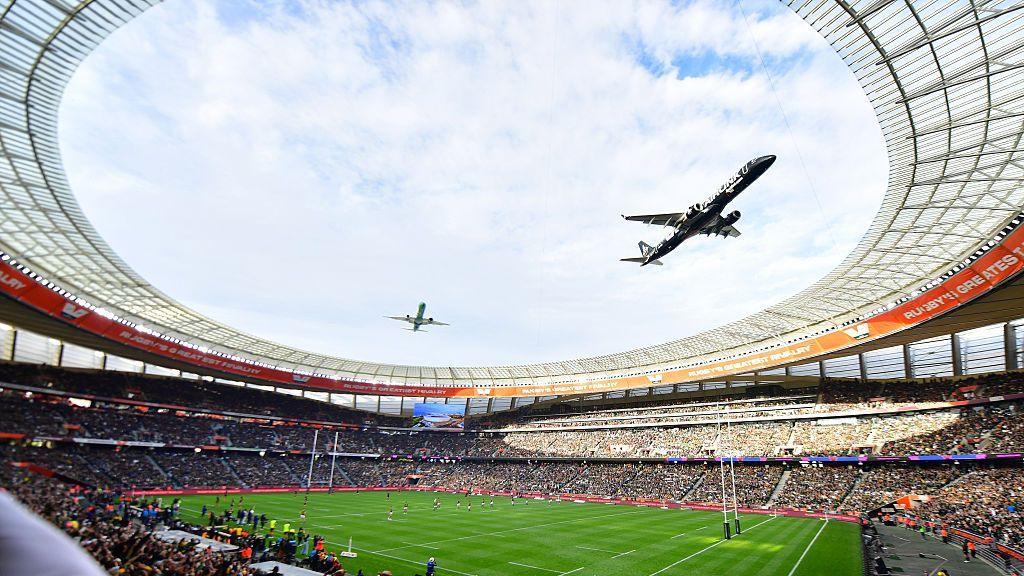
The F‑18 Hornet, famed for its agility and flamboyant finish line, dropped to a surprisingly low altitude over the crowded beach. While beachgoers snapped photos and cheered, the jet’s low fly‑past stirred beach umbrellas and caused a brief period of mild turbulence, prompting local officials to call for a safety review.
On the surface, the incident is a reminder of the risks associated with military demonstrations. On a deeper level, it highlights aviation’s environmental footprint: a single F‑18 emits roughly 60 kg of CO₂ per hour of flight, with the ocean‑air transition producing additional vapour‑related emissions that can alter local weather patterns and ocean chemistry.
The Blue Angels maintain that safety protocols are sound but that the incident provides an opportunity to reassess flight mission profiles and explore lower‑altitude, lower‑speed alternatives. If such adjustments can be made with no loss of safety or spectacle, they would reduce both carbon emissions and the risk of accidental damage to beach property or wildlife.
For communities that rely on tourism and marine ecosystems, the takeaway is clear: aviation entertainment must evolve to align with climate stewardship. As governments worldwide push for 2050 net‑zero targets, the military and civilian aviation sectors are pressured to innovate low‑emission wingdesign, advanced propulsion, and smarter flight‑path planning.
For now, the beach’s vivid memories of that sun‑kissed jet serve as a vivid call for collective action – blending thrilling flight shows with sustainable operations that protect both airspace and shoreline ecosystems.