In brief
In West Bengal, a deeply rooted culture of political violence results in countless children falling victim to the state's homemade bomb tragedy.
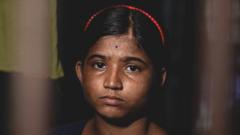
In the Indian state of West Bengal, a grim legacy of political violence unfolds, manifesting in the tragic maiming and killing of children by homemade bombs. Over the past 30 years, at least 565 children have been affected, according to a recent BBC investigation, a shocking reminder of the cost of rampant political confrontation. This dark reality raises urgent questions about societal safety and the protection of the most vulnerable.The origins of this crisis can be traced back to the turbulent political history of West Bengal. With shifting governance from the Congress party, the Communist-led Left Front, and now the current Trinamool Congress, the use of crude bombs as political tools has become a distressing norm. These homemade explosives, often mistaken for playthings, have turned childhoods into nightmares, with the communities left grappling with loss and trauma.A particularly harrowing story is that of nine-year-old Puchu Sardar, who encountered what he thought was a cricket ball during an election day gathering in 1996. The distinct sound of bat against ball was quickly replaced by a deafening explosion, devastating his life and the lives of his friends. Puchu emerged from the blast with severe injuries, a haunting reminder of the price paid for political strife in a region rife with intimidation tactics.With the use of bombs documented predominantly in poorer areas, where children routinely play outdoors, approximately 60% of reported incidents involve kids engaging in typical recreational activities when tragedy strikes. Hidden in gardens and streets, these deadly devices transform innocent play into potential catastrophe.The statistics reveal a heartbreaking pattern: on average, a child falls victim to bomb-related violence every 18 days, with many incidents going unreported. The societal implications are profound, as families are plunged into despair, grappling with the financial and emotional toll of such violence.Amid the chaos, personal stories like that of Poulami Halder, who lost her hand after mistakenly picking up a bomb, abound. Her life, like that of many other survivors, reflects ongoing struggles to overcome physical limitations while aspiring for a brighter future. These resilient children aim for educational achievements despite their harrowing pasts, highlighting the tenacity of the human spirit.Yet, the political frameworks that enable such enduring violence remain unchecked. Despite the overwhelming evidence linking political entities with these bombings, there is a profound denial among the political elite, complicating efforts for meaningful change. Experts emphasize the critical need to confront this culture of impunity that disregards the safety of children in the electoral fray.As the recent loss of nine-year-old Raj Biswas underscores, the tragic cycle continues. Political rallies echo with slogans, while grieving families mourn their losses, leaving questions about accountability and care for society’s youngest members unaddressed.As voices like Poulami and Sabina's call out for justice, the narrative evokes a dire warning: until the culture of violence is confronted and dismantled, countless children in West Bengal will unknowingly pay the price – a haunting legacy of a conflict that should never have involved them in the first place.