In brief
Following a nationwide blackout affecting 10 million people, Cubans are resorting to firewood for cooking amidst an energy crisis intensified by Hurricane Oscar. Official responses indicate systemic mismanagement of energy resources, while many communities grapple with food insecurity and lack of reliable electricity.
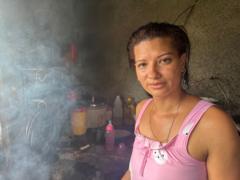
Cuba is currently experiencing one of its most challenging weeks in years as a nationwide blackout left approximately 10 million citizens without power for several days. This crisis has been compounded by the recent impact of Hurricane Oscar, which inflicted substantial destruction, claiming lives and causing widespread damage across the northeastern coastline. For many communities, the ongoing energy shortages have become a painful norm.As darkness enveloped the streets of Havana, residents like Yusely Perez felt the harsh ramifications of the power outage. With deliveries of liquified gas cannisters halted for months, she and her husband resorted to scouring the city for firewood to prepare meals. "We’ve gone two days without eating," she disclosed, frying yucca chips over a makeshift heat source.Cuba's energy issues have long been associated with crumbling infrastructure, with Minister of Energy Vicente de la O Levy attributing failures to the "brutal" US economic embargo. However, US officials argue that the root of the problem lies within the Cuban government's mismanagement of resources. As frustrations mounted, cities plunged into darkness, revealing the extent of the ongoing crisis, as citizens waited under stifling conditions with only their dwindling mobile phone batteries for light.Local voices echoed dissatisfaction, including restaurant worker Victor, who criticized governmental investment prioritization, stating, "They’ve built so many hotels in the past few years... So why is our energy infrastructure collapsing?" In an effort to quell dissent, President Miguel Diaz-Canel was seen on state television warning against protests, recalling past uprisings during similar power crises.During this latest crisis, Cuba's energy production has dwindled to only 60-70% of the national demand, a trend that economist Ricardo Torres described as a "huge and serious gap." The power generation has recently seen a 25% decline since 2019, with residents like 28-year-old Marbeyis Aguilera facing the grim reality of ongoing power outages in her village of Aguacate. "We’ve had no power for six days," she lamented, desperately trying to provide for her children with makeshift cooking solutions.The implications of power shortages extend beyond energy access, affecting water distribution and food security. In a context where many locals depend on remittances from abroad to buy basic necessities, the strain is palpable. Marbeyis's community has been left to fend for itself, navigating daily life without the essential services necessary for survival.As Cubans pick through the remains of Hurricane Oscar and the ongoing energy crisis, the challenges of a failing power grid raise fears about future blackouts. The lack of reliable energy sources represents not just a present crisis but a haunting reminder of Cuba's historical struggles with poverty. Amidst this turmoil, the island's vulnerable state continues to depend on both the resilience of its people and the urgent need for systemic change.