In brief
An exploration of how family dynamics, estrangement and personal empowerment are reshaping naming practices—from Californian locals to Hollywood’s own children. Legal, emotional and practical considerations are examined, revealing how names can be both a source of pain and a tool for liberation. The trend illuminates broader social shifts and the right to self‑identification in diverse communities.
In a world where climate change and environmental policy dominate headlines, another kind of change is quietly gaining attention—people’s names. Recent reports highlight a surge in name‑changes across different communities, driven by familial estrangement, the search for identity, or the desire to honor a chosen surname. From the son of Hollywood’s Brad Pitt to a Californian woman who finally let go of a painful legacy, personal stories shed light on a broader social trend.
The Catalyst: Estrangement and Emotional Freedom
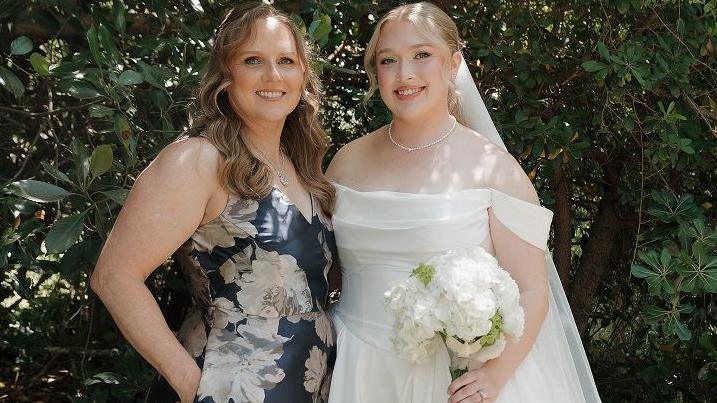
Hannah Leonard-Ripley—a twenty‑five‑year‑old from California—spent years juggling two surnames. Her birth name, inherited from a father with whom she had no connection, became a painful reminder of an estranged relationship. When she married Mark Ripley, she legally changed her name to Leonard‑Ripley, merging her mother’s maiden name with her new marriage surname. “I never felt that name reflected the love that surrounds me,” she told reporters, noting that the change felt like shedding a burden.
Similarly, Maggie from Lincolnshire grew up with a surname that included a profanity she was teased for at school. She decided to drop that surname to detach from “bad memories,” describing the decision as a step toward feeling genuinely herself.
Global Examples: From Hollywood to the County Line
Hollywood’s own drama continues as the children of Brad Pitt and Angelina Jolie begin to tackle their paternal surname. Zahara Marley Jolie‑Pitt and Maddox Chivan Jolie‑Pitt filed petitions to drop the “Pitt” part of their names, a process that includes publishing their intentions in a local newspaper. Their efforts are part of a wider trend where parents and children negotiate surnames to align with identity, respect, and public perception.
The How & Why: Legal and Practical Considerations
In the UK, the common route is a deed poll. Unenrolled deeds allow individuals to change names on their own, whereas enrolled deeds, done via the High Court, create a public record. The fees vary (enrolled appears at £53.05), and there are additional costs for publishing in newspapers if required.
In the United States, the process differs state‑by‑state. In California, Hannah’s change took roughly three months and cost hundreds of dollars—$400 for the filing, plus $130 to meet newspaper‑advertising requirements that many find archaic.
Emotional Insights & Social Implications
Researchers agree that surname change is a powerful signifier of identity. Dr. Harry Parkin, a lecturer at the University of Chester, states that names can be “disassociated glue” that helps people distance from traumatic associations. Dr. Becca Bland, a family counsellor, notes that those who sever ties with family through a new surname often experience a sense of freedom but also risk isolation.
According to Dr. Lucy Blake at the University of the West of England, such name changes are not impulsive but result from time‑tested decisions. “Adults who estrange themselves from their parents often do so with great care and consideration over time,” she says.
Practical Steps for Those Considering a Change
If you wish to change your name, start by researching local regulations. Verify the required paperwork, fees, and any media or public‑notice obligations. Prepare to update government records such as passports, vehicle titles, banks, and healthcare providers. And finally, allow room for the emotional journey: a new name can be a cornerstone of newfound identity and self‑acceptance.