
In brief
The ongoing conflict in Gaza has left thousands of children unaccompanied, with many families torn apart by violence. The UN's UNICEF has managed to reunite only a small fraction of these children with their families amid tremendous obstacles, highlighting the emotional trauma and challenges they face.
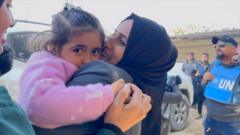
The heartwarming laughter of children playing in the sand at the al-Mawasi tent camp in southern Gaza contrasts starkly with the tragic reality they have endured. The Masri family, like many others, has been deeply impacted by the violence that has engulfed the region. Their grandmother, Kawther al-Masri, recounts the harrowing experience of losing family members and the desperate search to reunite with surviving grandchildren.Following an Israeli air strike on their home in Beit Lahia, young Jamal, now just one year old, and his cousins—ages two to nine—were left without parents as they emerged from the rubble, traumatized and alone. Latest reports indicate a staggering count of over 14,500 children killed and an estimated 17,000 left unaccompanied or separated from family. In these dire circumstances, some children are so young they have no means of identifying themselves.UNICEF has stepped in, managing to reunite merely 63 children with their guardians since the onset of the war. Kawther, who initially assumed her entire family was lost, was overwhelmed with relief when she learned that three of her grandchildren were alive. However, that joy is tempered by their immense grief; their parents are gone, and only a reunion remains.The prevailing chaos in Gaza creates logistical hurdles for humanitarian efforts, with the territory divided and transportation fraught with risk. Kawther patiently awaited her grandchildren's return from the arduous journey while expressing concern for their wellbeing amidst their traumatic experiences."We're talking here about highly vulnerable children," states Rosalia Bollen, a UNICEF spokeswoman, underlining the critical need for reunification to aid recovery from deep emotional scars. After 14 long months apart, the reunion was filled with tenderness, but the underlying pain persists, as the children grapple with anxiety and fear from the war they’ve witnessed.Tragically, the broader narrative reflects shared suffering; many families remain divided or missing loved ones. With reports of thousands detained under accusations of terrorism and the plight of families left uncertain, organizations such as the International Committee of the Red Cross are attempting to facilitate reunifications amid overwhelming challenges.As winter bears down, exacerbating hardship in the region, Kawther expresses hope for peace and the restoration of normalcy, fearing her grandchildren may become part of a lost generation. The Masri family's story exemplifies the heartbreaking repercussions of a conflict that ravages lives and families, leaving resilience in its wake, as they seek solace in each other amidst the ruins of their former lives.

