Belgium is bracing for widespread disruption across various sectors, including public transport and schools, as unions begin a three-day national strike this week. This action has been called in response to Prime Minister Bart De Wever's attempts to shrink Belgium's debt by changing labor laws and reforming unemployment benefits and pensions.
Teachers, medical staff, and rubbish collectors are all joining the rolling industrial action that is set to culminate in a general strike on Wednesday. Key organizations such as Eurostar have warned of potential disruptions, with the two main airports advising that all departure flights will be canceled on that day.
The strikes come amidst ongoing industrial action since De Wever took office in February, aiming to cut the budget deficit. A budget agreement reached early Monday by the government was described by De Wever as essential for 'guaranteeing sustainability' for Belgium's welfare state, which faces significant fiscal challenges.
Belgium's budget deficit stood at 4.5% of GDP at the end of last year, significantly above the EU's recommended limit, while the country's debt is at 104.7% of GDP. The EU mandates that member states maintain a budget deficit below 3% and debt under 60% to ensure sound public finances.
This latest industrial action is unfolding in three stages, as detailed by the AFP news agency:
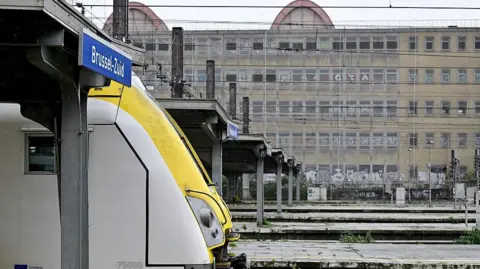
- On Monday, public transport, including trains, will be disrupted, with the national railroad company SNCB expecting to operate only one or two out of every three trains, and multiple Eurostar services connecting Brussels to Paris being canceled.
- On Tuesday, public services such as schools, nurseries, and hospitals will join the strike.
- On Wednesday, a general strike will affect all sectors, including the major airports, Bruxelles-Zaventem and Charleroi.
Eurostar has reported delays to some of its international services due to the strikes in Belgium. Defending the action, the general workers union FGTB highlighted a prior demonstration in Brussels that was met with what they termed 'total silence' from the government.
Fair pensions are among the core issues raised by the unions, along with demands for a fair wealth tax, a levy on digital activities for tech giants, and the transparent monitoring of corporate subsidies. They also noted a recent day of action against violence towards women, emphasizing broader societal concerns.
Bruxelles-Zaventem airport anticipates 'major disruptions' on Wednesday, foreseeing the cancellation of all departure flights and the possibility of some cancellations for incoming flights due to staff in their security and handling services participating in the nationwide industrial action.
Charleroi airport similarly stated it would not operate scheduled arrivals or departures on the day of the general strike, while passengers are warned of potential disruptions to public transport networks during the strike.
The City of Brussels has issued a warning regarding 'disrupted services' across its public transport systems throughout the three days of strikes, and De Lijn, the transport company operating in Flanders, has advised reduced bus and tram services.