In brief
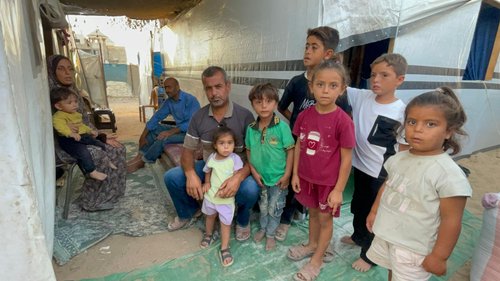
As Israeli military operations intensify in the northern West Bank, particularly in Tulkarm, tens of thousands of Palestinians find themselves uprooted from their homes. Amid reports of widespread destruction and plans for neighborhood transformation, many are grappling with the reality of permanent displacement.
In a disturbing turn of events in the Israeli-occupied West Bank, prolonged military operations have left tens of thousands of Palestinians displaced, with many uncertain about their future. The Israeli military's sweeping offensive, particularly in Tulkarm, has led to the demolition of numerous residences, heightening fears among the local population.As news broke that the military intended to raze buildings in densely populated areas, panic ensued. Residents of the Nur Shams camp in Tulkarm were particularly affected, learning that returning to their homes following the military's actions may not be an option. Nihad al-Shawish, head of the services committee in the camp, voiced the gravity of the situation, stating, "They’re causing a disaster."Since the onset of these aggressive military tactics in January, widespread destruction has characterized the campaign aimed at dismantling militant operations. While Israeli officials assert the operations target criminal activity and militant regrouping, many Palestinians perceive a deeper agenda. These military actions are viewed as an attempt to reshape refugee camps into urban neighborhoods, thus altering the demographic landscape of Tulkarm.The decision to demolish homes has been justified by the military as a necessary measure to enhance accessibility for Israeli forces, highlighting an ongoing struggle over territory and identity in the region. Simultaneously, this has raised humanitarian concerns as families are torn from their roots, and long-standing communities face dissolution.As the military indicates a readiness to continue operations for an extended period, the fate of displaced Palestinians remains precarious, with the looming threat of permanent displacement casting a shadow over the resilience of communities in the region.