Lithuania’s Prime Minister has declared that the nation has prepared evacuation plans for a variety of possible attacks, emphasising that the country will not surrender if confronted with Russian aggression.
Prime Minister Mindaugas Sinkevičius told BBC Newsnight that Lithuanian civilians feel constently threatened, especially after a series of drones entered Lithuanian airspace. He added that the government is ready to fight back and engage if confronted, while arranging smooth evacuation for elderly citizens to avoid traffic jams.
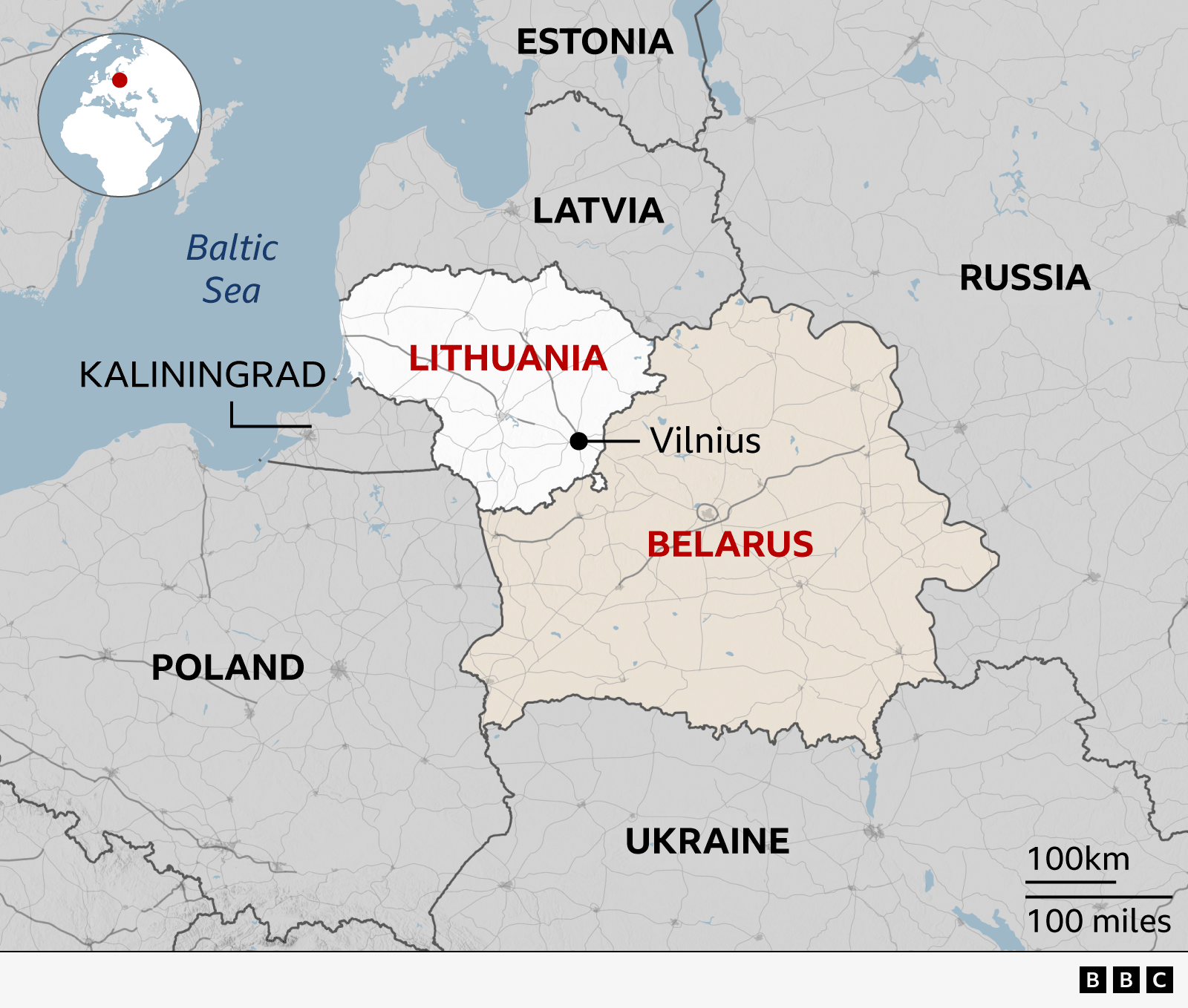
Lithuania shares a land border with Russia’s Kaliningrad exclave and is a NATO member. NATO has stationed thousands of troops in Lithuania, including American and German forces. Germany has pledged a 5,000‑strong combat‑ready brigade to station permanently in the country, set to reach full operational capability by the end of 2027.
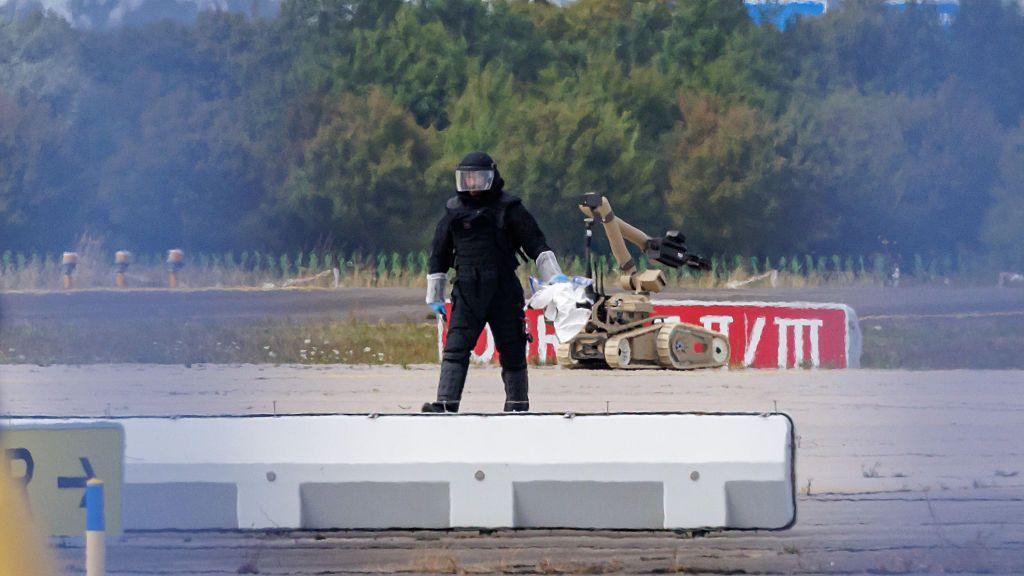
In the last week, a NATO fighter pilot successfully shot down a drone that entered Lithuanian airspace, a pattern that is increasingly common across Europe after Russia’s full‑scale invasion of Ukraine. The incident was attributed by Defence Minister Robertas Kaunas to Belarusian origin. Lithuania’s President Gitanas Nausėda said a new US troop rotation is on the way.
While the government acknowledges the reality of hybrid attacks—incidents blamed on neighbour Belarus—the country stresses that these are “concrete threats” rather than daily occurrences. The prime minister urged a shift in mindset from the UK and other allies, noting Lithuania’s proximity to the front line.
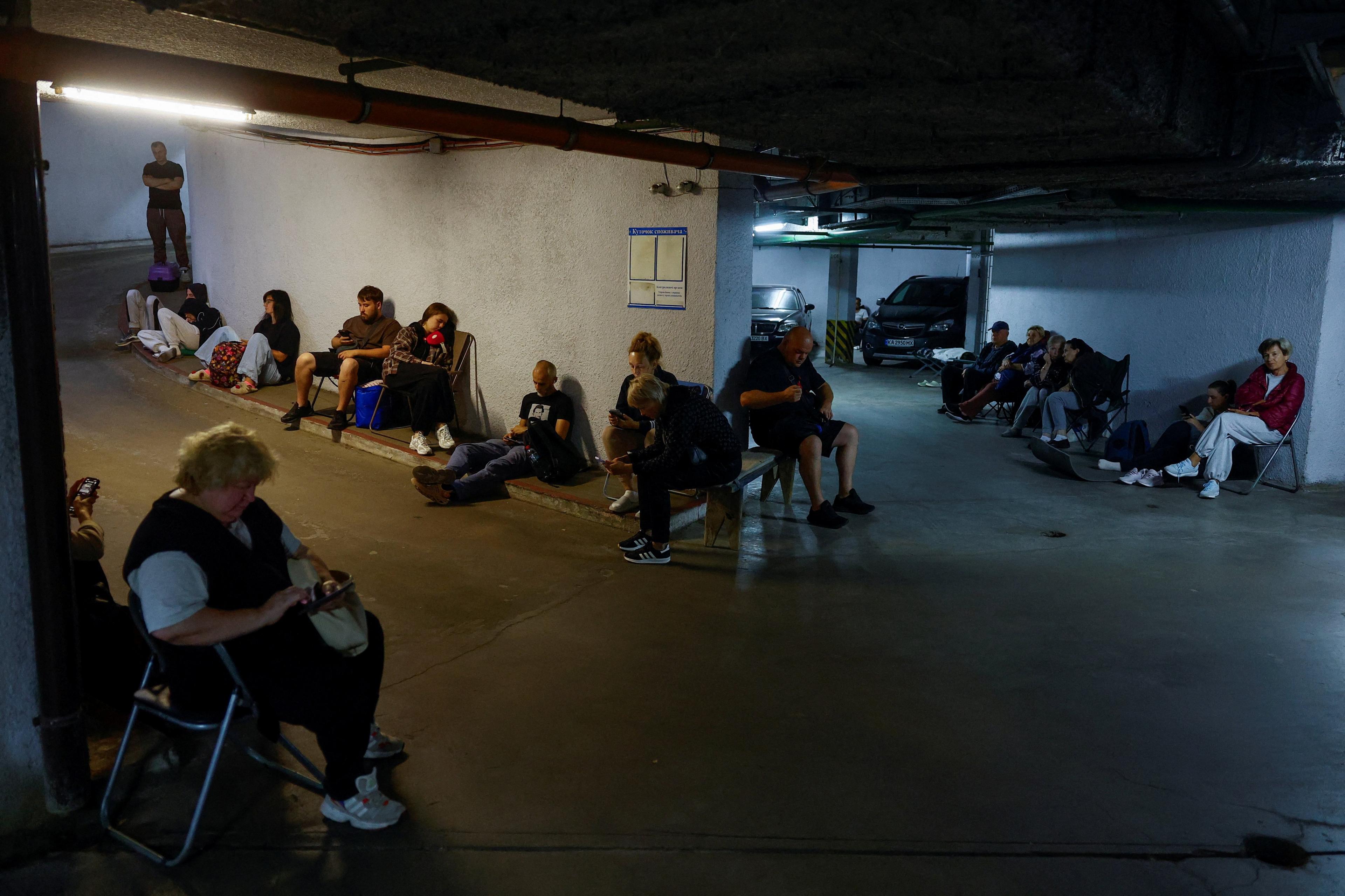
Cross‑border drone incursions have pushed Lithuania to bolster air defence, with residents in Vilnius and other cities forced to take shelter after drone alerts disrupted flights and rail travel. NATO jets have scrambled repeatedly to shoot down stray drones heading into Estonia and Latvia this year as part of Article 5 commitments.
With the looming threat of militarisation on the Baltic, Lithuania’s preparedness underscores the intersection of national security and resilience—critical for stabilising the region’s environment amid climate and geopolitical pressures.