In brief
The situation in Gaza continues to deteriorate as escalating military actions and a total blockade leave families without basic necessities. Children, like six-year-old Ismail, experience hunger and despair, while the international community raises alarms about the looming famine.
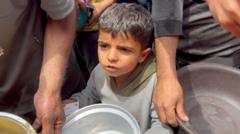
As the situation in Gaza intensifies with ongoing military actions and an unyielding blockade, families find themselves grappling with severe shortages of food, water, and medical supplies. The humanitarian crisis has reached alarming levels, prompting urgent calls for aid from international agencies and on-the-ground reports of desperation.In a recent account shared with the BBC, six-year-old Ismail Abu Odeh pleaded for food while waiting at a distribution point. His fleeting opportunity for a meal ended in tears when his bowl of lentils was spilled. The following day, his displacement camp, located in a school in Gaza City, saw no deliveries of water or food, emphasizing the severity of the shortages faced by residents.Despite the dire conditions, the Israeli government claims there's "no shortage" of food, attributing issues to alleged looting by Hamas. However, testimonies from Gazans paint a very different picture, revealing their struggle to secure even one meal a day as food kitchens shut down and market prices soar.Local volunteers attempt to provide assistance, yet many express feelings of helplessness as supplies evaporate. Adham al-Batrawi, displaced from his home, describes resorting to creative cooking methods just to sustain his family. "We’ve invented ways to cook and eat that we never imagined we’d need," he stated, highlighting the grim reality of rationing in a besieged enclave.The consequences extend beyond food shortages as families face psychological trauma from both hunger and the constant threat of violence. Nurse Rewaa Mohsen, caring for two young daughters amid bombing sounds, chronicles her struggle to provide stability in an increasingly chaotic environment.Medical staff also report their own dwindling resources as Israeli strikes target hospitals, reducing the care they can provide to suffering populations. The recent collapse of the European Hospital in Khan Younis exemplifies the chaos facing healthcare workers who remain dedicated, despite the overwhelming odds.The situation in Gaza is further complicated by international aid dynamics, as the U.S. prepares a new system to deliver humanitarian assistance directly through private companies—a plan criticized by the United Nations for potentially weaponizing aid.With families like Ismail's facing such dire consequences, calls for an immediate resolution to the blockade and deeper humanitarian engagement remain crucial as the world watches this unfolding tragedy. Gaza's children, starving and fearful, represent a humanitarian crisis demanding urgent attention and action.