In brief
Legislators are in a tug-of-war regarding the extension of tax credits for health insurance, which are in jeopardy of expiration at the end of the year. Democrats are battling for an extension linked to government funding negotiations, while a faction of Republicans is showing unexpected support for maintaining subsidies despite traditional opposition. The looming expiration could lead to drastic hikes in insurance costs, impacting millions of Americans.
WASHINGTON (AP) — Bipartisan support in Congress is emerging around tax credits that have made health insurance more affordable since the COVID-19 pandemic. However, these crucial credits might expire due to disagreements between Republicans and Democrats on their future.
Democratic leaders have indicated a willingness to shut down the government if the subsidies, initially implemented in 2021 and extended in 2022, are not prolonged. These tax credits benefit low- and middle-income individuals purchasing insurance through the Affordable Care Act (ACA), with expiration date looming at the end of this year.
This observational shift comes as some Republicans who have opposed the ACA since its inception are now reconsidering their stance, acknowledging that inaction could lead to steep price hikes for constituents. Despite this, many members of the GOP remain staunchly opposed to an extension, advocating for restructured subsidies instead, potentially prolonging negotiations.
Democratic lawmakers firmly oppose any changes to the subsidies, escalating the likelihood of a deadlock that generates uncertainty for health insurers, hospitals, and the millions relying on these financial supports.
Senate Democratic Leader Chuck Schumer noted the imminent impact of Congressional inaction: In just a few weeks, millions of Americans could be receiving alarming notifications about their spiraling health insurance costs. Currently, enrollment in ACA plans has surged to a record 24 million, largely due to the expanded subsidies that enabled many to secure health plans with no premiums.
The impending expiration of these credits has seen insurers propose drastic premium increases—some as high as 50%—with public sentiment leaning heavily against possible lapses in coverage as noted by constituents in states like Iowa.
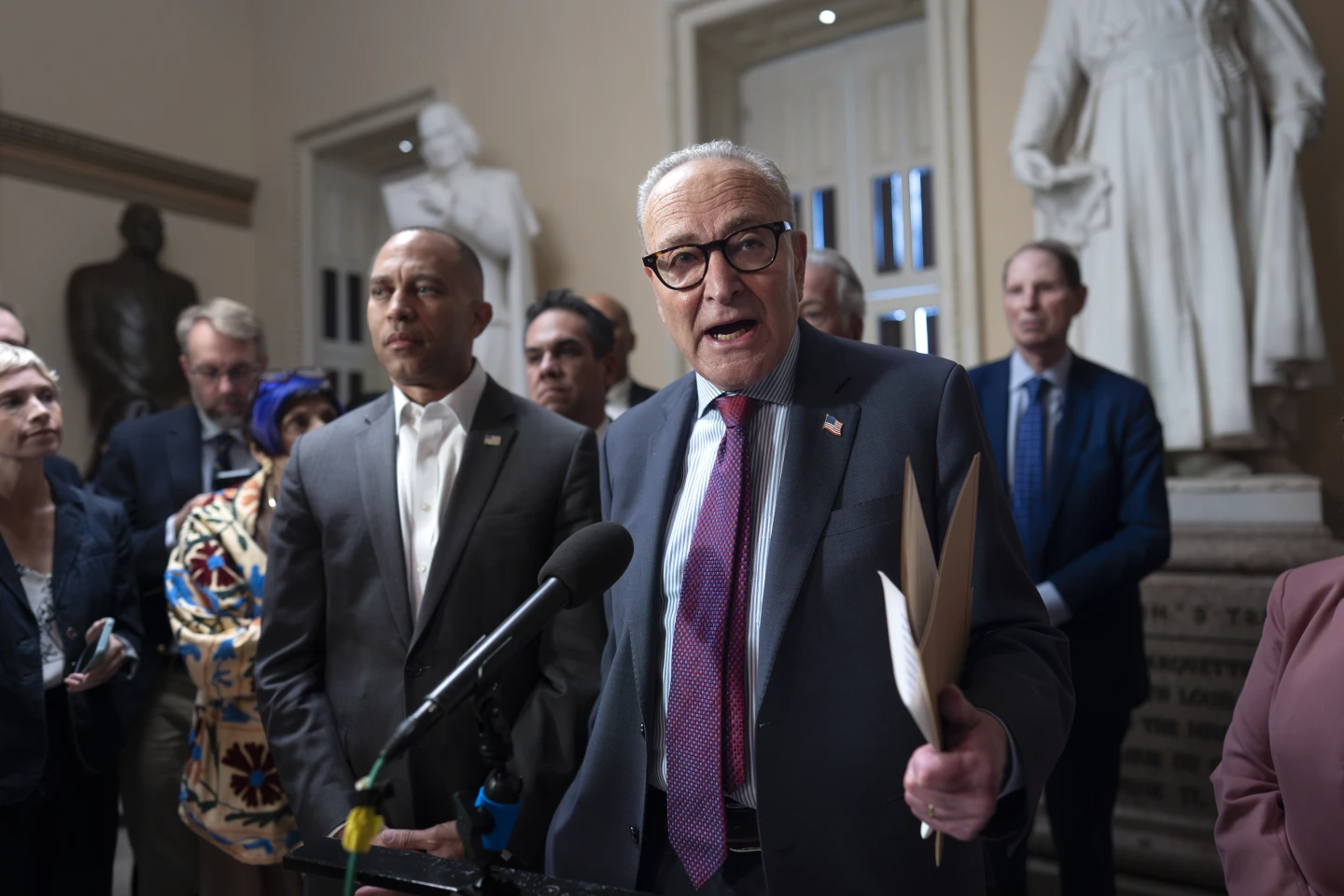
As the government shutdown approaches, negotiations have turned contentious. Schumer and House Democratic Leader Hakeem Jeffries have conveyed that a continuation of health care tax credits is non-negotiable for Democratic support in any spending bills. Meanwhile, some Republican leaders are considering a temporary measure to maintain government funding without the subsidy extension, further complicating the matter.
In the meantime, vital industries, including nursing and health insurance, are calling for Congress to prevent significant premium spikes that could arise without the continuation of these subsidies. Lawmakers from both sides appear aware of the looming crisis as they lay out their positions ahead of upcoming votes.
Amid this backdrop, it remains unclear how quickly Congress will act, as the legislative clock continues to tick toward critical deadlines, affecting health care access for millions.